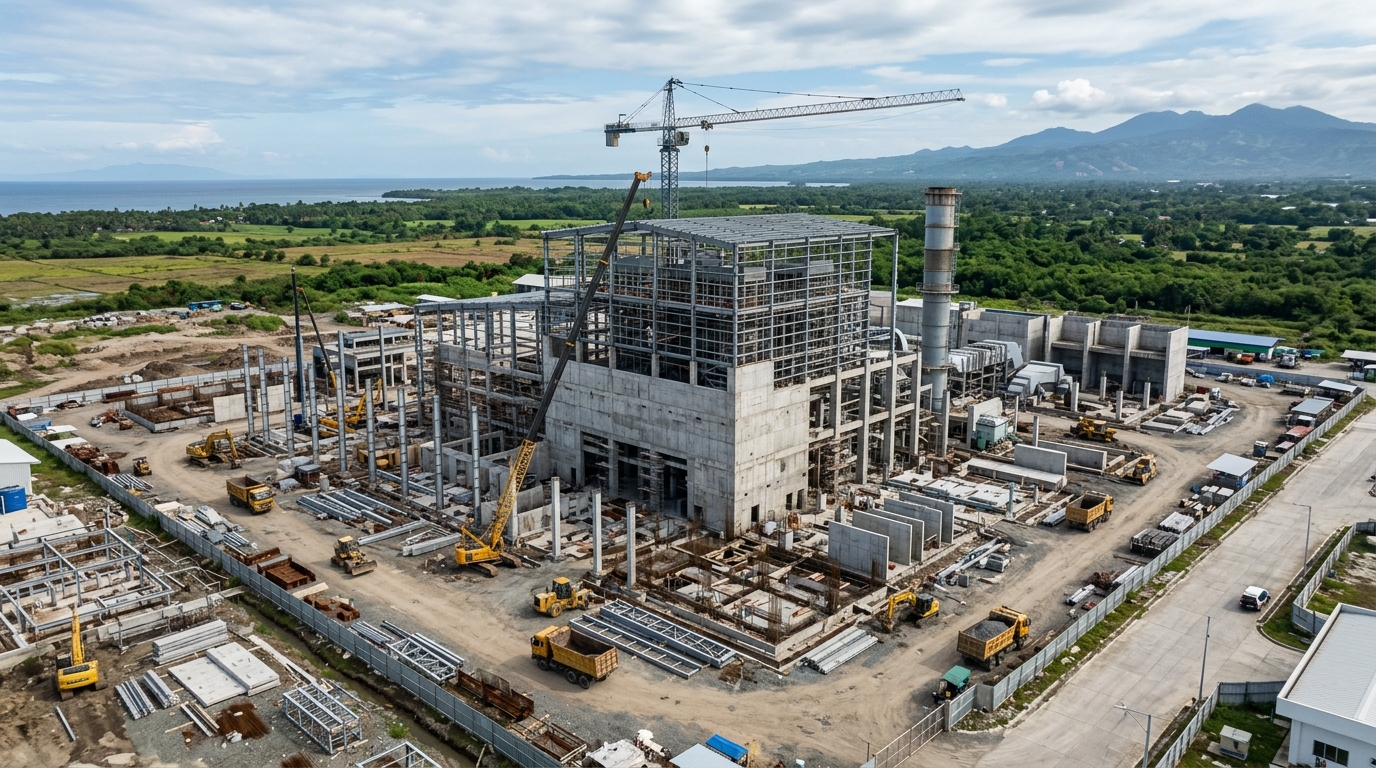
While the sugar capital has long grappled with the growing pains of urbanization, the first week of May 2026 marks a historic turning point for its environmental landscape. On May 4, Mayor Greg Gasataya officially signed a 25-year lease agreement for a 10-hectare site in Barangay Felisa, designated specifically for a high-tech Waste-to-Energy (WTE) facility. This PHP 4-billion project, a collaboration with the Department of Energy and Forza Development Corp., is poised to be a national pioneer in converting urban refuse into sustainable electricity. For residents and investors, this move signifies a transition from traditional waste management to a sophisticated "Circular Economy" model that promises to generate up to 15 megawatts of power while cleaning up the city's future.
A Blueprint for Industrial Decarbonization
The strategy behind the new industrial zone focuses on a "No-Cost to City" model, where the private partner funds the entire construction while the local government provides the strategic land base. This project is expected to reach completion within 24 months, effectively transforming the existing sanitary landfill into a modern energy hub. By integrating advanced conversion technology, the facility will not only reduce the volume of waste destined for burial but also provide a stable source of local revenue through power generation shares. It is a tactical response to the national call for diversified energy sources amidst rising global oil volatility.
Economic Ripple Effects for Local Communities
Beyond the environmental impact, the city government is highlighting the immediate socio-economic benefits, including job creation for residents of Barangay Felisa and neighboring districts. City Legal Officer Karol Joseph Chiu noted on May 5 that the project would also bolster the city's coffers through real property taxes and a 1.5% share in power sales. This financial injection is earmarked for further social services, ensuring that the environmental "cleanup" also acts as a catalyst for community-level wealth. For a city currently navigating a 4.8% growth in tourism, these infrastructure upgrades are essential for maintaining a clean and modern urban image.
Setting the Standard for National Green Policy
Bacolod’s early May momentum serves as a live pilot for other highly urbanized cities in the Philippines looking to solve the dual crisis of waste and energy. The Department of Energy’s involvement ensures that the technology used meets strict 2026 environmental standards, protecting the city's air quality while maximizing energy output. As the lease agreement takes effect this week, the city is effectively positioning itself as a leader in "Smart Governance," where infrastructure solves multiple urban problems simultaneously. For anyone tracking the city's progress, the move marks a clear exit from the old "dumping" mentality and an entry into a future-ready, resource-efficient era.