
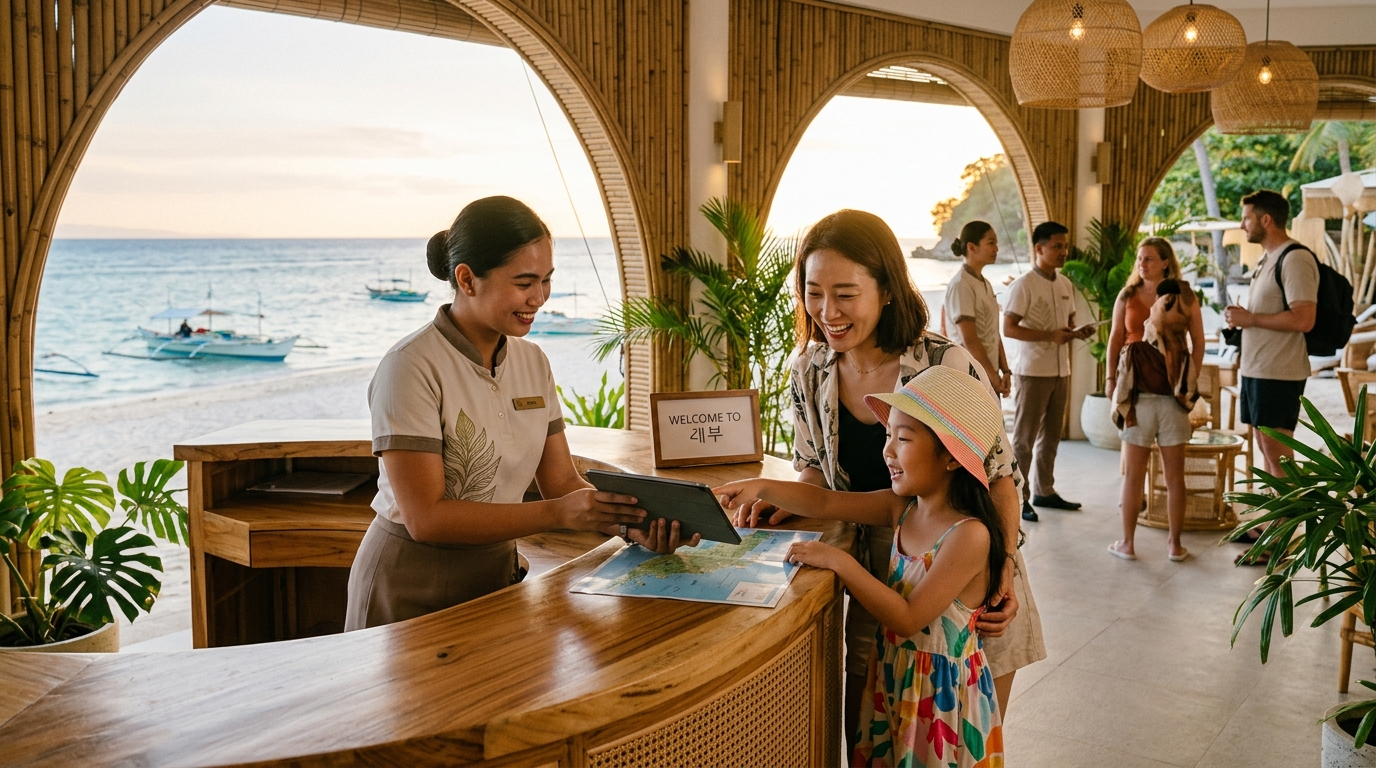
Cebu, a vibrant island province in the Central Visayas, is actively working to establish itself as the Philippines' premier destination for Korean tourists, a strategic move that could reshape local economies and create new avenues for employment. This ambitious positioning aims to capture a larger share of the lucrative Korean travel market, potentially steering a significant influx of visitors directly to Cebu's shores.
Capitalizing on Island Appeal and Infrastructure
While specific details regarding the initiatives, timelines, or projected visitor numbers were not provided in the initial report, the strategic intent itself signals a focused effort by local stakeholders to capitalize on Cebu's natural beauty, rich culture, and growing infrastructure. This development could see a substantial increase in demand across various sectors, from hospitality and transportation to retail and local services, directly impacting the livelihoods of countless Filipinos.
Local Job Creation and Returning Diaspora Alternatives
For Filipinos, particularly those residing in Cebu and neighboring provinces, this strategic focus on Korean tourism could translate into a wealth of new opportunities. A surge in tourism typically leads to robust job creation in hotels, resorts, restaurants, tour operations, and transportation services. Small and medium-sized enterprises, from souvenir shops to local eateries, are also likely to benefit from increased visitor spending. This economic ripple effect has the potential to elevate local incomes and improve living standards for many families. Furthermore, for Overseas Filipino Workers (OFWs) considering returning home or those seeking local employment, a thriving tourism sector in Cebu could present viable alternatives to working abroad. Skills acquired in hospitality, customer service, and language proficiency, often honed overseas, could find immediate application in a booming local industry.
Upskilling for Cultural Competency and Sustainable Growth
Filipinos should be aware that this renewed focus on Korean tourism may necessitate a workforce equipped with specific skills, including Korean language proficiency and an understanding of Korean culture and service expectations. Educational institutions and vocational training centers in Cebu might see an increased demand for courses tailored to these needs, offering a chance for individuals to upskill or reskill for emerging job markets. As Cebu aims to solidify its status as a top tourism hub, residents can anticipate continued infrastructure development, enhanced public services, and potentially greater investment in sustainable tourism practices. While the full scope of this strategic push remains to be seen, its potential to transform the economic landscape and open new doors for Filipinos is a development worth closely watching.