
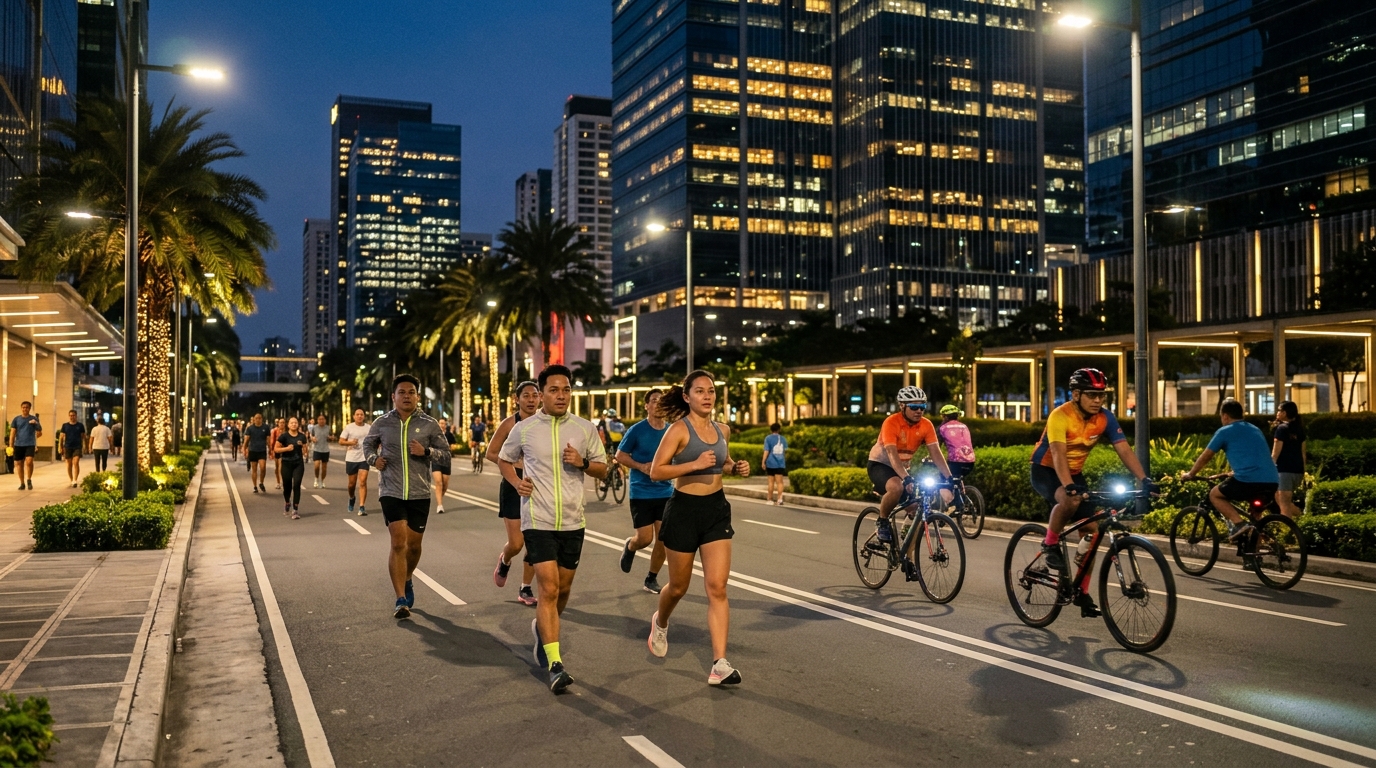
Wellness tourism in Bonifacio Global City (BGC), Taguig City has evolved into one of the most distinctive urban lifestyle trends in Metro Manila, especially as more visitors and residents embrace fitness-oriented activities even during nighttime hours. In 2026, this “midnight fitness culture” continues to expand as young professionals, students, and health-conscious tourists increasingly seek active and social experiences that combine exercise, leisure, and the city’s modern urban atmosphere.
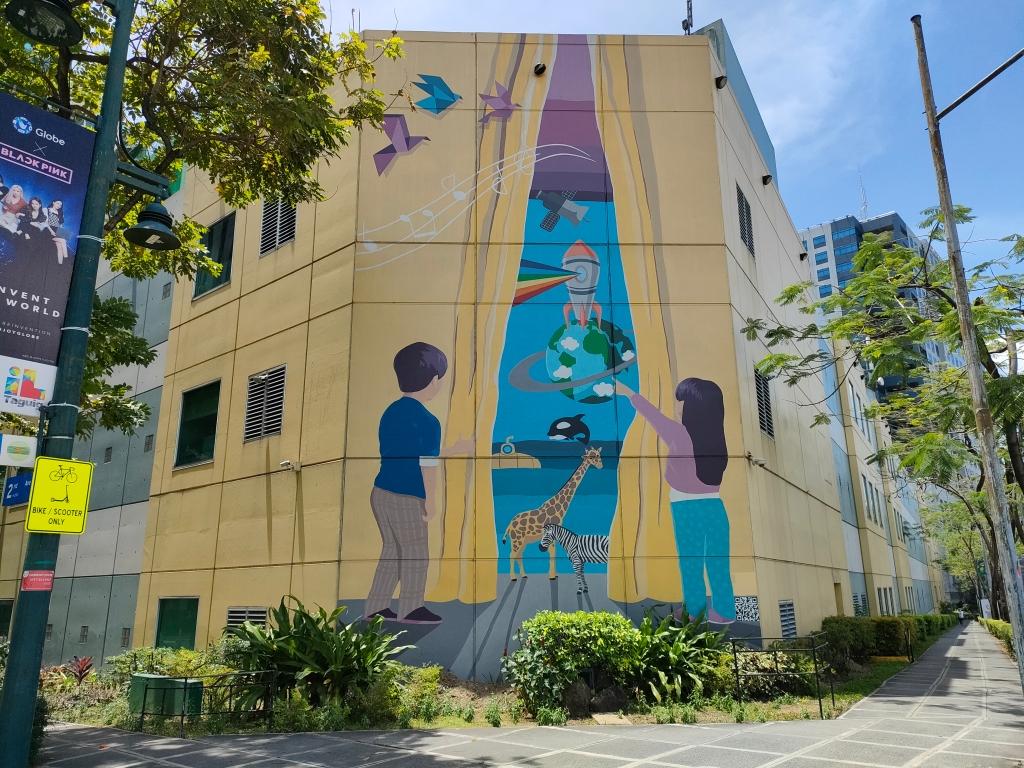
Unlike traditional tourism that focuses on sightseeing or shopping, wellness tourism in Bonifacio Global City is centered on movement, community participation, and personal well-being. As the city transitions into the evening, its streets and open spaces do not become inactive—instead, they transform into vibrant wellness zones where people gather to jog, cycle, stretch, and participate in organized fitness events under the glow of city lights and surrounding skyscrapers. One of the key drivers of this trend is the accessibility of BGC’s wide pedestrian roads, open parks, and safe urban layout, which make it ideal for nighttime physical activities. Many visitors are drawn to the experience of exercising in a clean, well-lit, and highly walkable environment where they can enjoy skyline views while engaging in structured or informal fitness routines. This combination of safety, design, and atmosphere has helped position BGC as one of the most fitness-friendly urban districts in the country.
Throughout the week, various parks and public spaces regularly host community fitness gatherings such as outdoor yoga sessions, Zumba classes, high-intensity interval training (HIIT) workouts, dance fitness events, and group running activities. These sessions often attract diverse participants, including local residents, office workers ending their shifts, and tourists who want to experience a more active side of the city. The social nature of these events makes fitness feel less like a routine obligation and more like a shared cultural experience. Cycling has also become a major component of BGC’s wellness tourism scene. Designated bike lanes and open streets allow both casual riders and fitness enthusiasts to explore the district safely at night. Some participants join organized cycling groups, while others simply ride for relaxation, enjoying the cool evening air and the visually striking contrast of illuminated buildings and quiet urban roads.
In addition to regular activities, wellness festivals and pop-up fitness events are frequently organized across the district, further strengthening its identity as a hub for health-conscious tourism. These events often include wellness workshops, nutrition talks, fitness challenges, and interactive booths that promote mental health awareness and holistic well-being. The goal is not only physical fitness but also emotional and social wellness, creating a more balanced approach to urban living. Tourism experts note that this growing wellness movement reflects a broader global shift in travel behavior, especially among younger generations. Instead of purely leisure-based or consumption-driven travel, many tourists now prioritize experiences that support self-care, stress relief, and personal growth. Activities such as nighttime jogging, group workouts, and outdoor yoga provide both physical benefits and meaningful social interaction, making them highly appealing in fast-paced urban environments. The rise of wellness tourism in Bonifacio Global City also highlights how cities can redefine tourism through lifestyle integration. Rather than separating tourism from everyday life, BGC blends both by turning ordinary public spaces into active wellness environments that are open, inclusive, and continuously evolving.
Overall, the midnight fitness culture in BGC represents more than just a trend—it reflects a lifestyle transformation where health, community, and urban design come together. As wellness tourism continues to grow, Taguig’s BGC stands out as a modern example of how cities can support both tourism and well-being through innovative use of public space and community-driven activities.