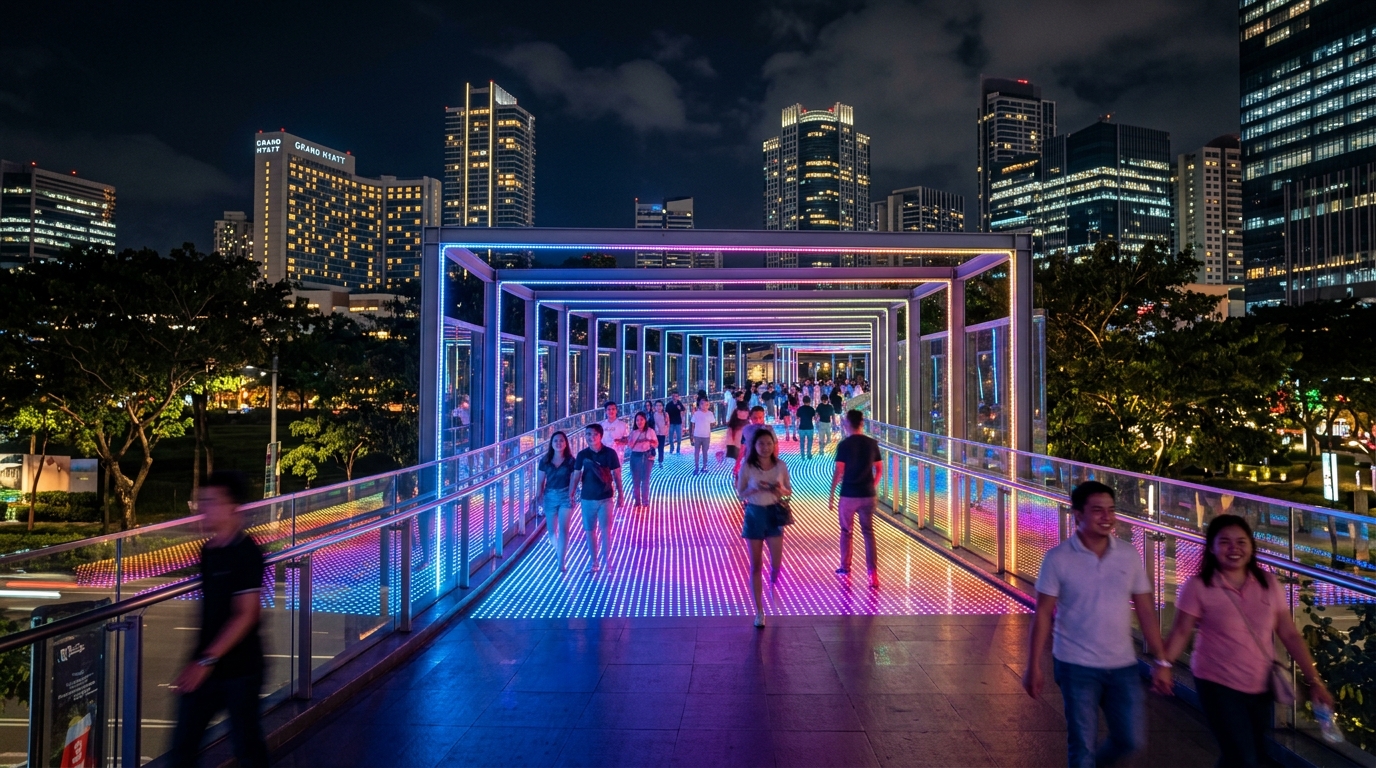
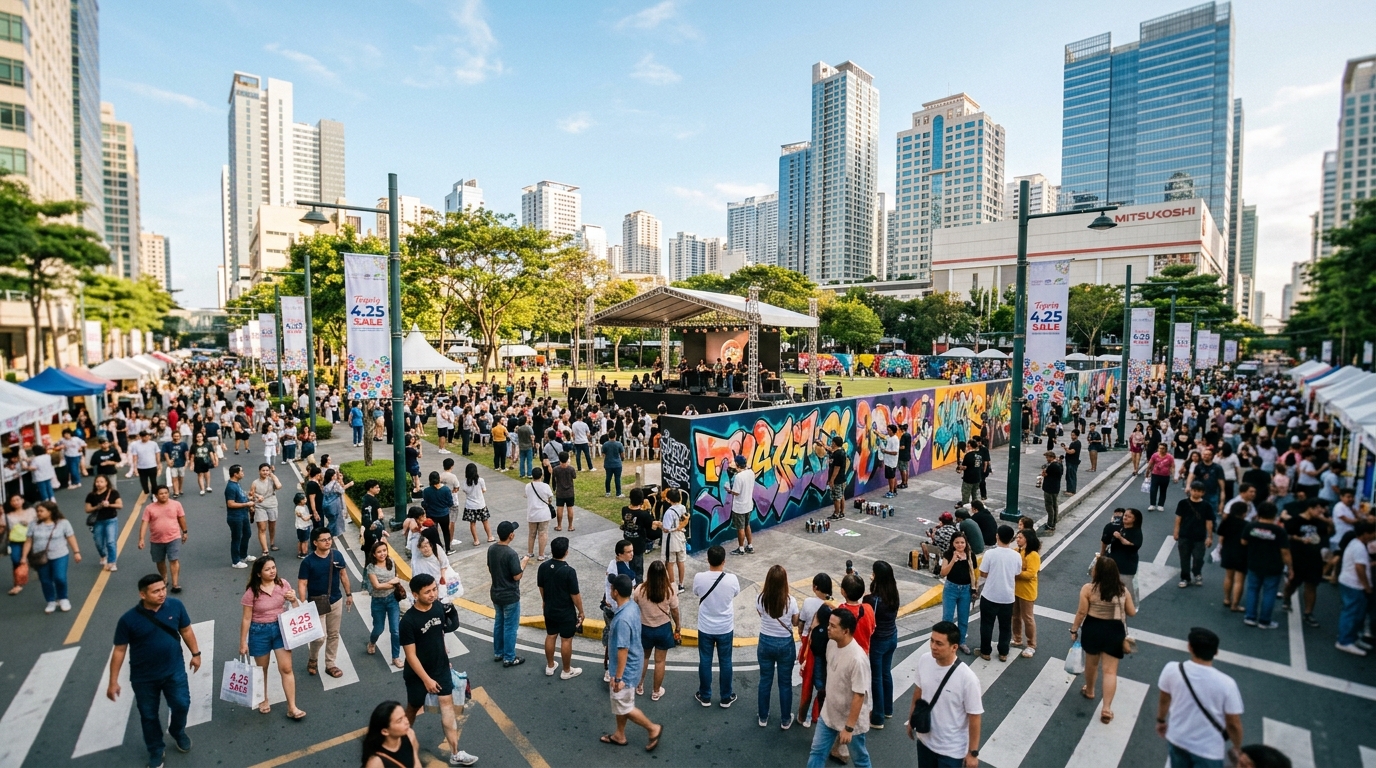
TAGUIG CITY — For six days at the end of April 2026, Taguig transformed itself into the metro's most compelling reason to shop, linger, and discover. The 4.25 Sale, now in its third year, returned from April 25 to 30, pulling hundreds of merchants across Bonifacio Global City, Forbes Town, Market! Market!, Grace Mall, and Mitsukoshi BGC into a coordinated celebration of the city's 439th founding anniversary. Deals stretched across fashion, food, tech, and lifestyle, with discounts at Power Mac Center reaching up to P21,000 off on select iPhone models and up to P20,000 off on iPads.
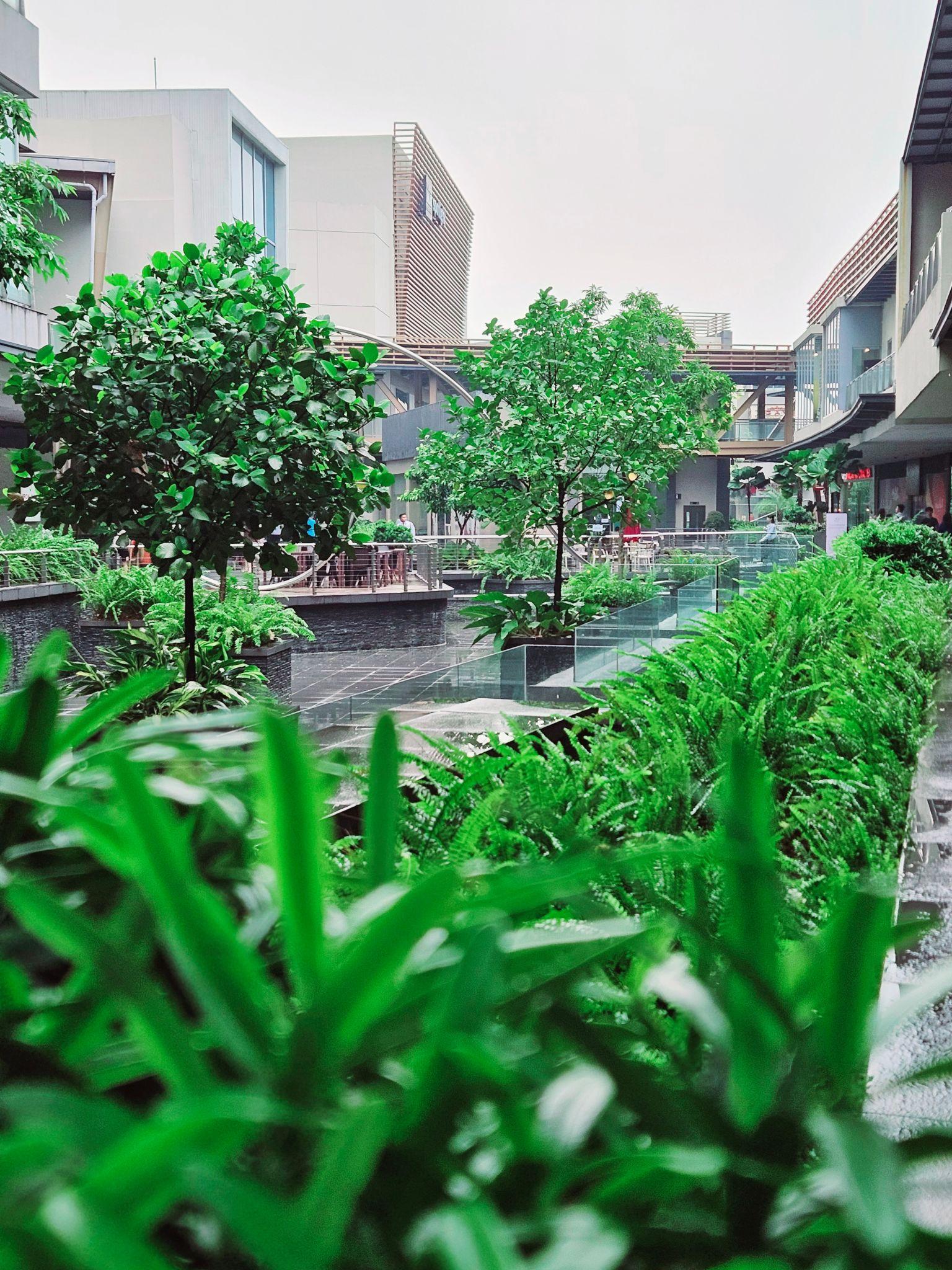
What distinguishes this sale from the routine mall promotions that pepper the Metro Manila calendar is its civic architecture. The city government did not simply grant permits; it orchestrated a city-wide shopping event that disperses visitors across its commercial geography, from the Japanese-inspired corridors of Mitsukoshi to the bargain-rich bazaar atmosphere of Market! Market!. Shoppers who came for a single deal ended up traversing districts, eating at neighborhood restaurants, and experiencing Taguig as a destination rather than a transit point. Event organizers described the sale as a platform for local commerce and community pride, with participating businesses rolling out limited-time offers available only during the six-day window.
A Lakeside Park Where the World Painted Together
While the malls hummed with transaction, a different kind of energy was unfolding at TLC Park along Lakeshore Road in Barangay Lower Bicutan. From April 24 to 26, the city staged the "Art and Music for Peace: TLC Community Fair," which brought together more than 100 local and international graffiti artists for the 13th edition of Meeting of Styles Philippines—the fourth consecutive year Taguig has hosted the globally recognized street art gathering. The artists transformed blank walls into large-scale murals that wove together cultures, identities, and a collective call for peace amid global tensions.
Mayor Lani Cayetano opened the fair with a ceremonial spray-painting, then offered a remark that captured the event's purpose. "Art can inspire us. Art can give us hope, especially in trying times. In a time of crisis, it is important that we find inspiration and come together—art helps bring people closer and promotes peace." Local organizer Tripp Martinez acknowledged how the city's support has reshaped public perception of graffiti. "Before, graffiti was often seen negatively. Now, with the support of the city, we're able to create platforms like this. We're proud to bring in international artists and showcase Filipino talent on the global stage."
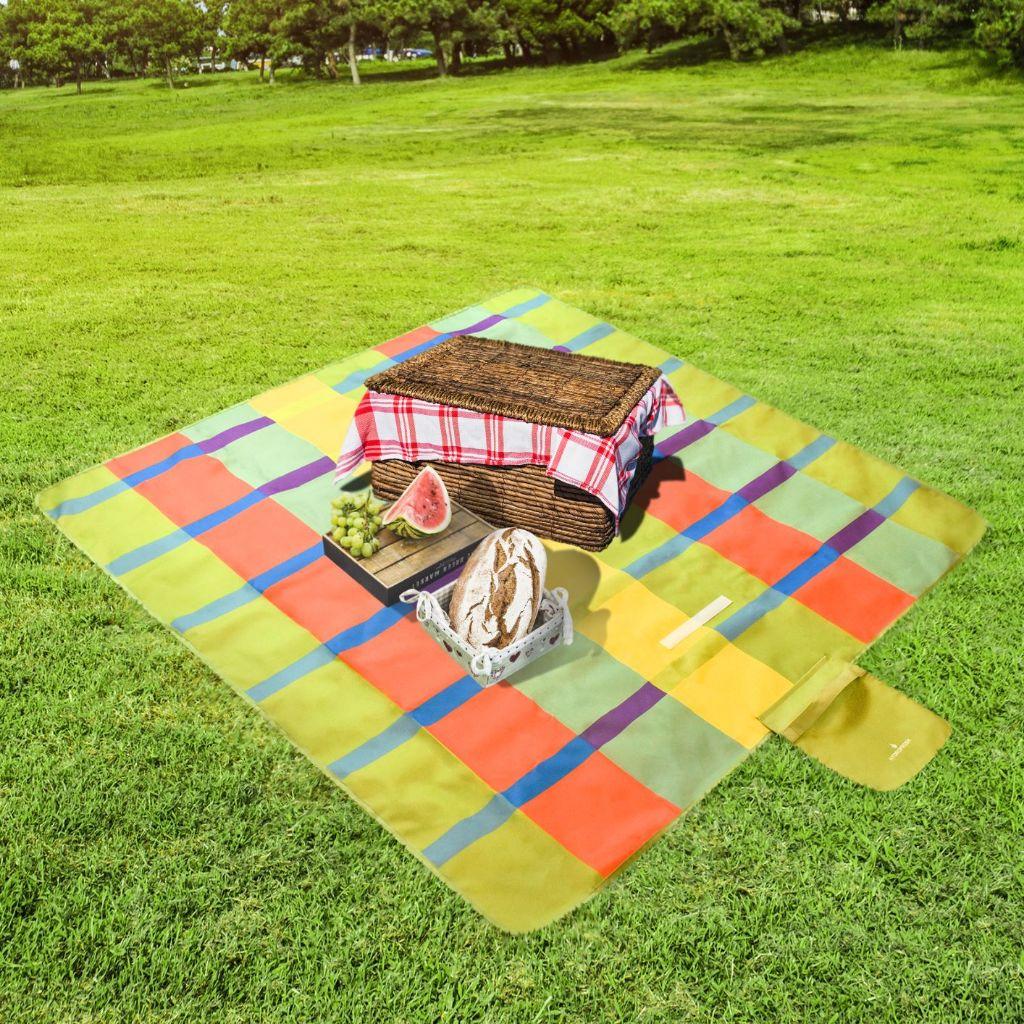
Beyond the murals, the three-day fair offered glamping experiences, food stalls, interactive art spaces, and free concerts under the banner Tugtog Taguig: Himig ng Kapayapaan, featuring OPM acts including Earl Agustin and This Band. The mix was deliberately wide—graffiti art for the culture-seekers, live music for families and youth, open lawns for picnics, and food vendors that made the park feel like a weekend festival rather than a formal civic ceremony.
Building a Tourism Identity Beyond the Business District
For tourism planners, the dual programming of the 4.25 Sale and the TLC Community Fair illustrates a maturing strategy: pairing commerce with culture to extend visitor dwell time and diversify the city's appeal. Taguig already draws a steady stream of business travelers, BPO workers, and staycationers anchored by its BGC hotel cluster and dining scene. What it has been steadily adding is a calendar of recurring events that convert those transient visitors into repeat leisure travelers.
The 439th anniversary celebration did not begin with the April 25 sale. It kicked off weeks earlier with the "Life of Christ Reflection Site" during Holy Week, continued with the Taguig Regional Festival: Ani at Likha at Arca South on April 18–19, and will extend through the Mutya ng Taguig pageant and Mayor Cayetano's Ulat sa Lungsod. Each event occupies a different venue—TLC Park, Arca South, BGC, the People's Park in West Rembo—creating a multi-nodal tourism map that distributes visitor traffic across the city rather than concentrating it in a single corridor. The cumulative effect is that Taguig is increasingly able to market itself not as a single-purpose destination but as a city where something is always happening, whether or not a business meeting brought you there.