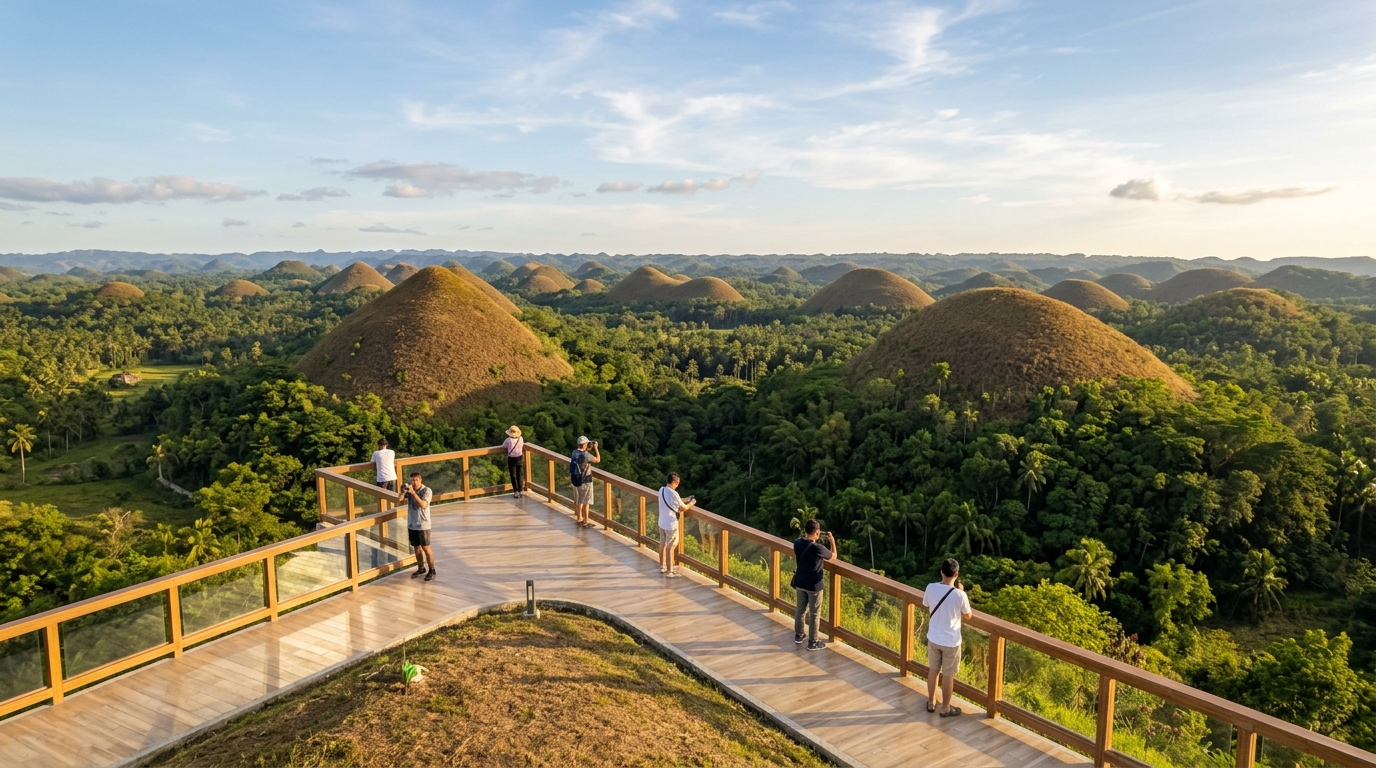
The iconic Chocolate Hills of Bohol have recently entered a new phase of international acclaim as of late April 2026. Long considered a geological wonder, the site is now being celebrated for its successful integration of sustainable viewing technology. This shift has not only preserved the natural beauty of the 1,260-plus hills but has also enhanced the visitor experience through eco-friendly infrastructure. Travelers are arriving in record numbers this week to witness the transition from green to chocolate brown as the dry season peaks.
The Science of the Iconic Color Shift
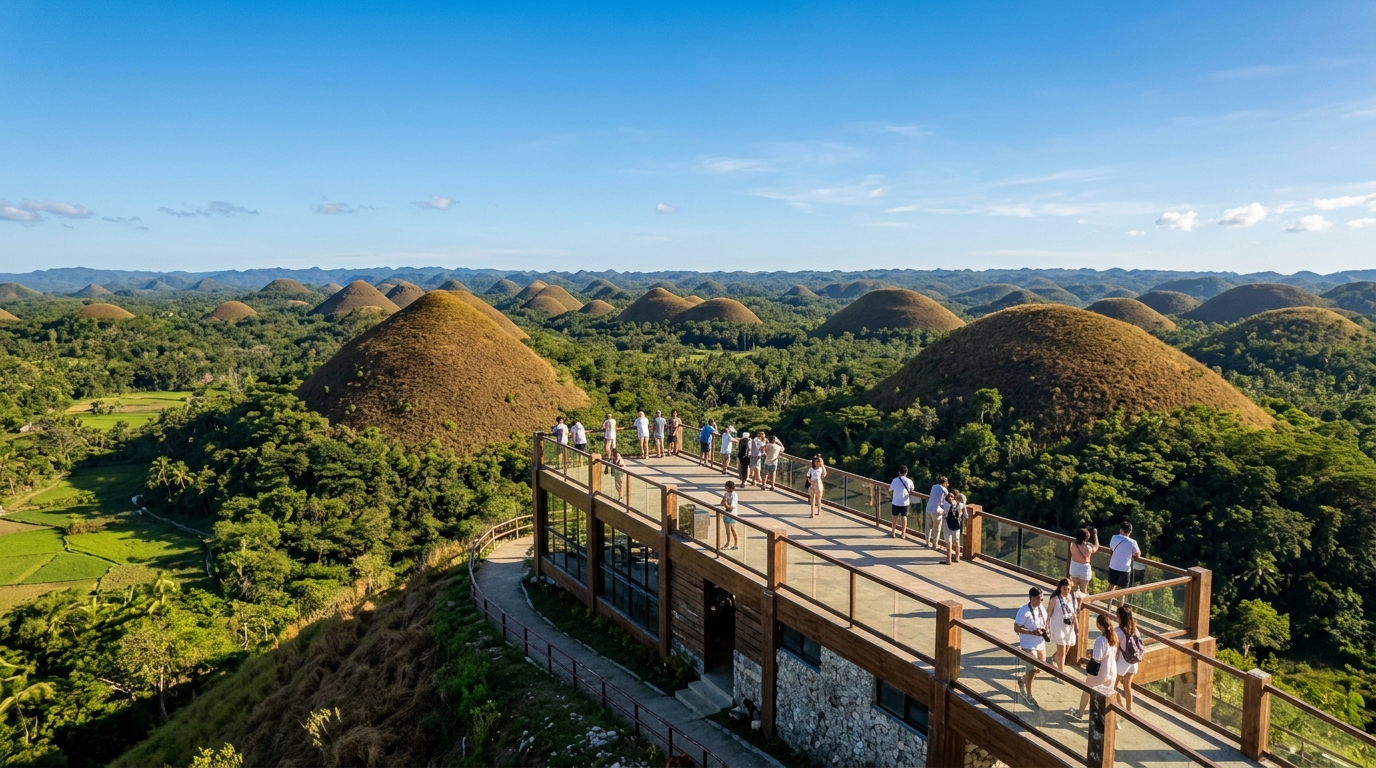
As of April 21, 2026, the hills are rapidly transitioning to their famous chocolate brown hue due to the intensification of the dry season. This natural phenomenon occurs when the grass covering the limestone mounds dries up, creating a surreal landscape that looks like giant truffles. Local meteorologists have noted that the 2026 season is particularly vibrant, offering photographers the most distinct color contrast in recent years. Visitors are encouraged to arrive during the early morning hours to catch the dew lifting off the mounds.
Revolutionizing the Viewing Deck Experience
The main viewing deck in Carmen has undergone a significant eco-renovation to handle the 15% increase in foot traffic recorded since April 18. New solar-powered facilities and recycled-material walkways now allow for a more seamless flow of tourists without impacting the local flora. These upgrades were designed to maintain Bohol's status as the Philippines' first UNESCO Global Geopark. The authorities have also introduced a digital booking system to prevent overcrowding during peak sunset hours.
Expanding the Adventure Beyond Viewing
While the viewing deck remains the primary attraction, the surrounding areas have introduced low-impact ATV trails that prioritize environmental protection. These trails allow visitors to get closer to the base of the hills while strictly following designated paths to avoid soil erosion. Guided educational tours now explain the unique karst geology that formed these hills millions of years ago. This holistic approach ensures that the Chocolate Hills remain a top-tier destination for both adventure seekers and nature lovers.