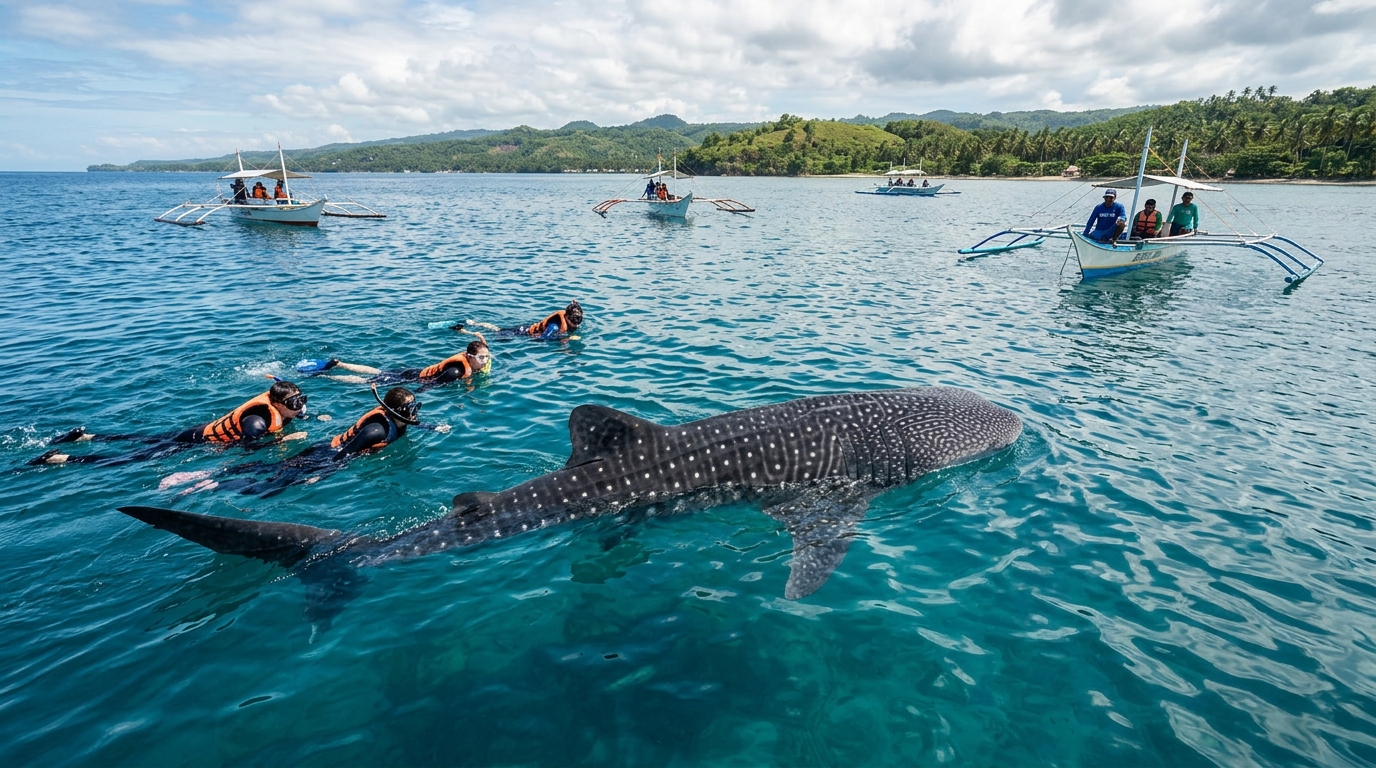
The coastal towns of Loay and Alburquerque have entered a new era of "Ethical Encounter" as of April 30, 2026, following the provincial government's implementation of stricter whale shark tourism rules. Governor Aris Aumentado signed the Implementing Rules and Regulations (IRR) for the Enhanced Sustainable Marine Wildlife Interaction Ordinance, which serves as a primary anchor for protecting the Tuki (whale sharks) from the stress of overcrowding. This tactical legal shift imposes a "No-Feeding" policy and mandates a sophisticated three-meter distance between swimmers and the gentle giants. For environmentalists and tourists in the province this May, these laws effectively provide a high-fidelity template for how the 2026 generation can enjoy wildlife through "Silent Observation" rather than direct interference.
Zoning for Species Survival
The 2026 identity of Bohol’s marine policy is defined by "Spatial Management," where the tactical creation of waiting, interaction, and strictly no-contact zones provides a sophisticated solution to tourist congestion. As of early May, the new ordinance is acting as a primary anchor for the town of Loay’s tourism roadmap, ensuring that the natural migration patterns of the whale sharks are not disrupted by boats. This week, an environmental group emphasized that the tactical use of carrying capacity limits is a high-fidelity win for the species, effectively turning the ocean into a "Sanctuary Ritual" that is both high-energy in its natural beauty and sophisticated in its legal protection. It provides a unique environment for the 2026 traveler to witness these creatures in their most authentic, wild state.
A Tactical Shift in the ‘Tuki’ Economy
What sets this May 2026 window apart is the tactical requirement for an online booking system and certified guides, acting as a primary anchor for professionalizing the local marine economy. As of April 30, 2026, tour operators must now secure a certificate of compliance, a high-fidelity move to eliminate unauthorized "guerrilla" tours that often ignore safety protocols. This month, provincial leaders highlighted that these sophisticated standards are a tactical template for the 2026 roadmap of elevating Bohol’s reputation as a world-class eco-tourism destination. It offers a rare ecosystem for the 2026 generation to experience a "Professionalized Ritual" that is both high-energy in its adventure and sophisticated in its administrative rigor.
The Anchor of Bohol’s 2026 Conservation Roadmap
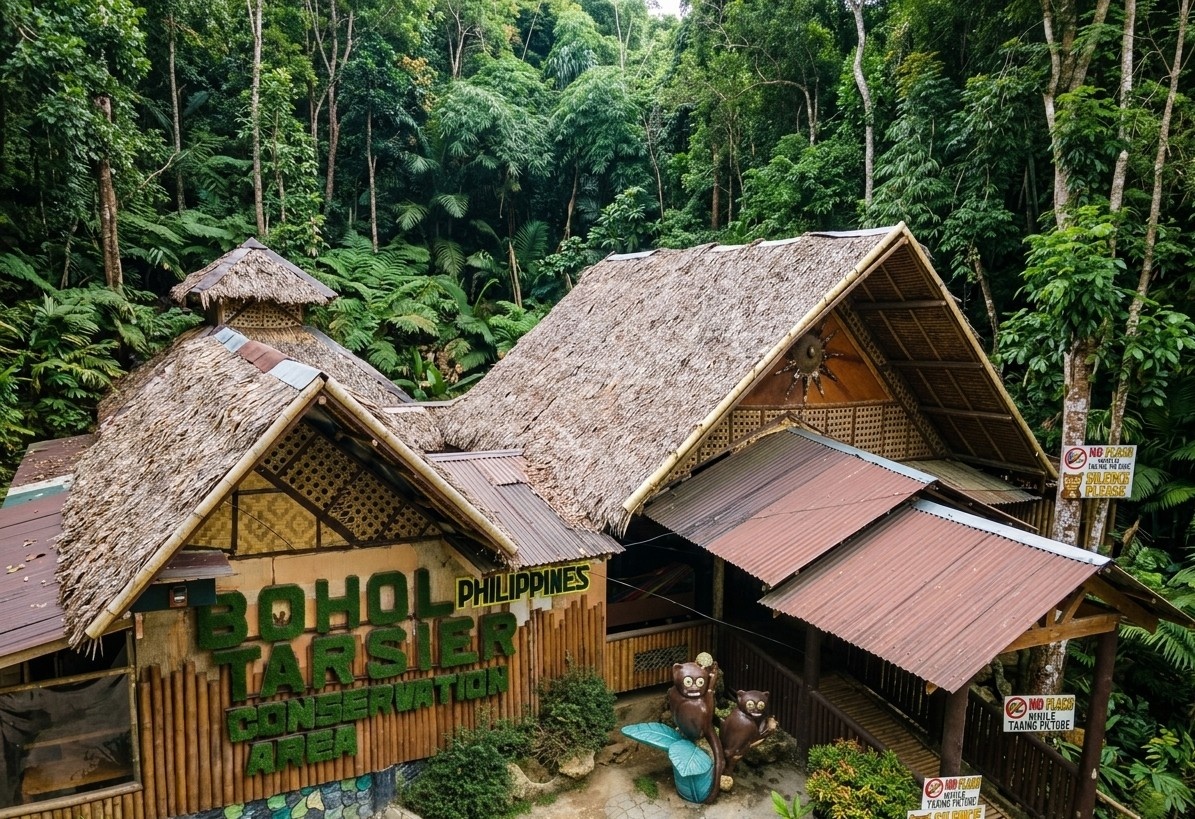
As of 2026, the enforcement of these stricter rules has been recognized as a primary anchor for the "UNESCO Global Geopark Integrity Initiatives," driving high-fidelity trust from the international scientific community. Recent reports from the Governor’s office suggest that these wildlife safeguards are a tactical template for future regulations involving other sensitive tourist spots like the Tarsier Sanctuary. This month, local leaders reinforced that "Conservation-First Tourism" is an essential key to the 2026 summer strategy for keeping the island’s natural landmarks viable for future generations. For any traveler exploring the southern coast this May, the sight of a peaceful, boat-free horizon is the ultimate signal of a province mastering its laws to achieve peak ecological excellence.