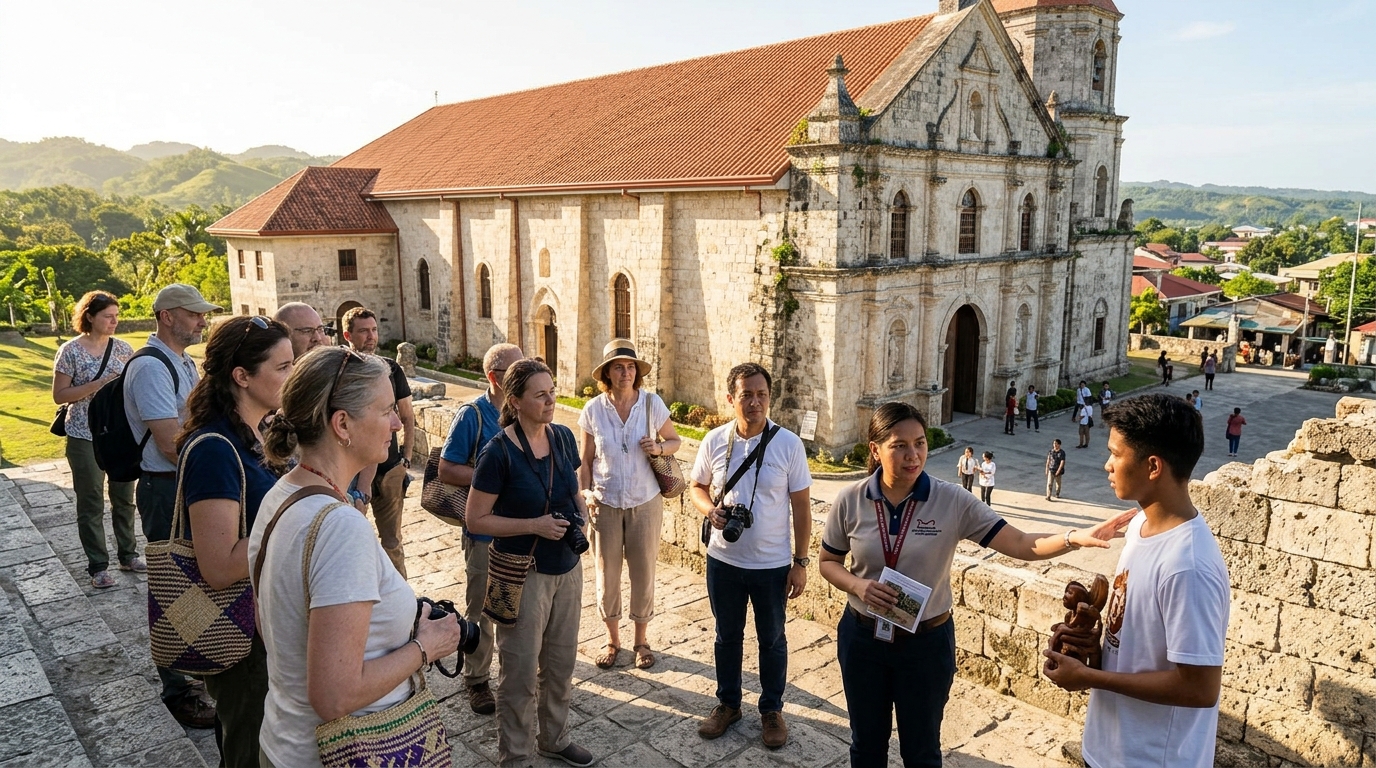
In a moving "Resilience Ritual" concluded this week, the Provincial Government of Bohol and the National Museum of the Philippines showcased the final phase of restoration for several heritage sites damaged by the 2013 earthquake. As part of the UNESCO Global Geopark celebrations this May, the "Living Narratives" of these stone churches are being used to educate a new generation on "Conservation Science." For the 2026 visitor, these restored structures act as a "Cultural Anchor," representing the island’s ability to rebuild its identity from the rubble. It is a powerful demonstration of "Historical Integrity," where the past is literally reconstructed to guide the future.
The "Handumanan" Memory Ritual
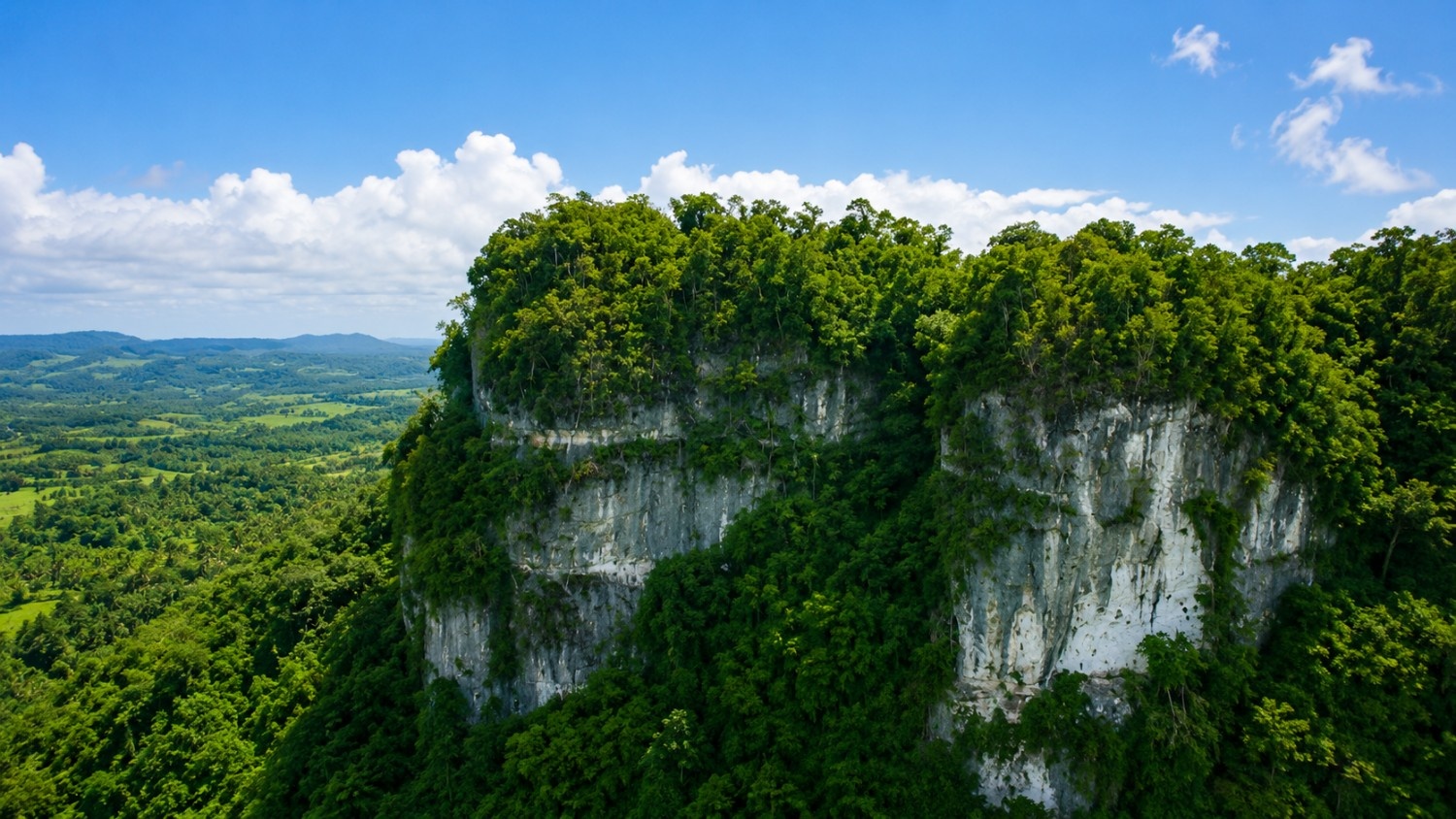
The restoration efforts are anchored on the concept of “Handumanan,” the Cebuano word for memory or keepsake, turning every restored stone into a "Tactical Archive" of the island’s grit. During the May 11 tour for ASEAN delegates, the National Museum of the Philippines–Bohol highlighted how heritage protection is integrated with biodiversity and sustainable development. This "Education Shield" teaches visitors that a geopark is not just about rocks, but about the "Living Narratives" of the people who protect them. This week’s showcase proves that Bohol has successfully transitioned from a disaster-recovery site to a global model for "Heritage Stewardship."
The "Conservation Science" Shield
A key component of the 2026 heritage roadmap is the application of "Advanced Conservation Science" to ensure the long-term stability of the island's stone churches. By using non-invasive monitoring technology and traditional masonry techniques, the province is maintaining the "Aesthetic Integrity" of its landmarks while preparing them for future environmental challenges. This "Vigilance Ritual" is essential for the province’s "MICE Tourism" strategy, as these historic venues are now being used for high-level international meetings and cultural forums. This allows the heritage sites to function as both "Sacred Spaces" and "Economic Drivers" for the local community.
A Future of "Inclusive Growth"
As the second week of May 2026 wraps up, the influx of international delegates has shown that "Global Recognition" translates directly into inclusive local growth. The benefits of the Geopark status are being felt by everyone from "Cultural Performers" to local artisans who provide "Handumanan" items to visitors. This "Economic Integration" ensures that the preservation of the past is a profitable endeavor for the modern Boholano. As the island continues to welcome the world, its restored churches stand as "Stability Anchors," proving that the "Boholano Spirit" is the most durable building material of all.