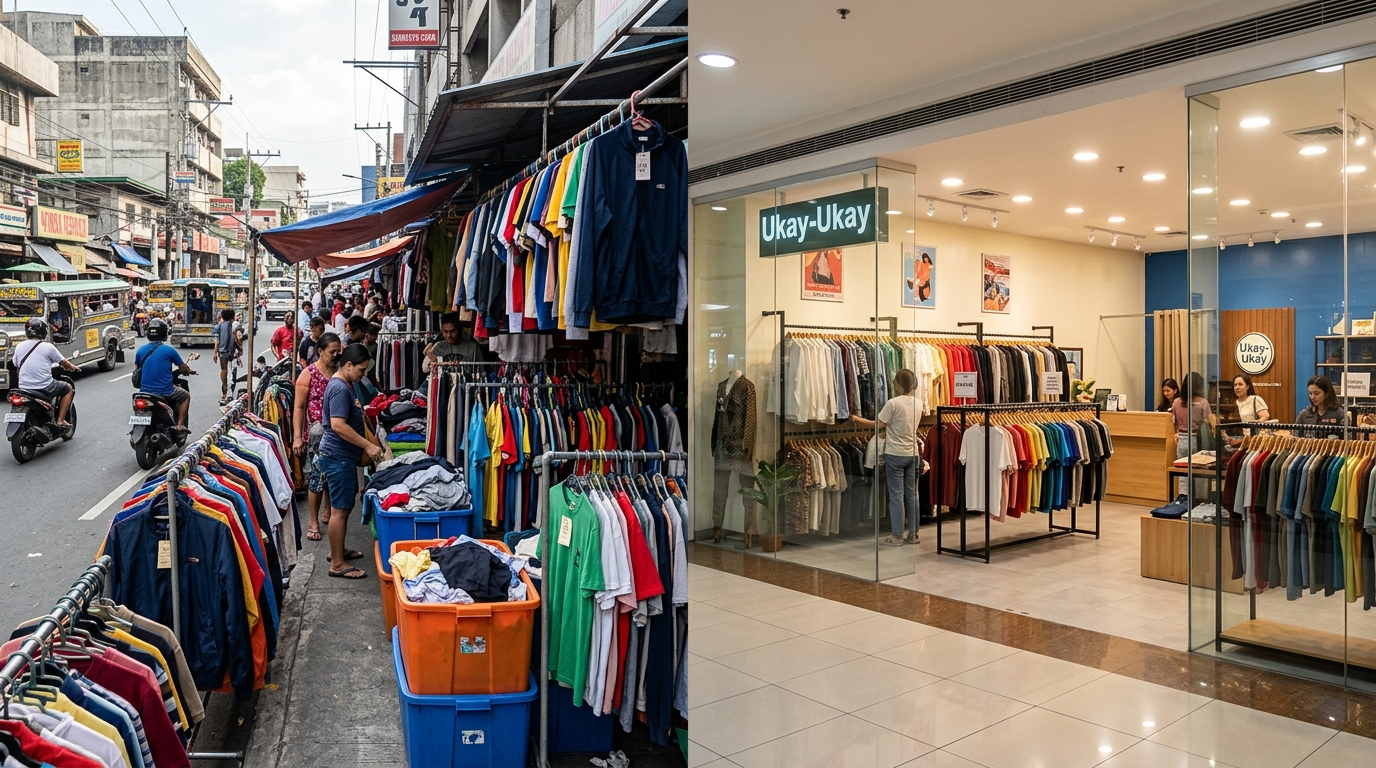
Thrifting is no longer just a budget-friendly alternative in Bohol; it has officially become a high-energy market force. As of May 2026, the second-hand clothing industry in the province has transitioned from humble open-air stalls into a sophisticated, organized retail sector that rivals traditional mall brands. Driven by a mix of Gen Z fashion aesthetics, sustainability goals, and the thrill of the "treasure hunt," the local thrift culture is evolving at a breakneck pace. From air-conditioned boutiques in Alta Citta Mall to massive surplus centers in the Cogon District, Bohol is proving that "pre-loved" is the new "premium," attracting both bargain-hunting locals and eco-conscious tourists looking for unique island style.
From Halukay to High-End Curation
The commercial evolution of thrifting in Bohol is most evident in the rise of curated boutique spaces within major hubs like Tagbilaran City Square. Unlike the traditional "halukay" (digging) experience where shoppers sift through massive piles, these new-age shops offer pre-washed, steamed, and handpicked items from global brands like Uniqlo, H&M, and Zara. This shift toward curation has sparked lively debates on local forums like r/Bohol, where residents discuss the "premiumization" of second-hand clothes and the rise of resellers. While some miss the floor-bottom prices of the past, many shoppers are willing to pay extra for the convenience and aesthetic appeal of a curated rack, turning thrifting into a stylish, mainstream activity.
The Entrepreneurial Gold Mine
Beyond the fashion, the thrift trend is a certified economic powerhouse for Boholano entrepreneurs due to its low barrier to entry and high revenue potential. Local market studies in 2026 show that ukay-ukay operations often generate revenues comparable to standard Ready-to-Wear (RTW) businesses but with significantly lower upfront capital and rental overhead. This fiscal advantage has led to a surge in "thrift-preneurs" who invest in clothing bales and use social media to drive hype around "new arrival" days. In areas like the Agora and Dao Public Markets, the density of vendors has created a competitive ecosystem where the fastest "diggers" and the best curators can build lucrative small businesses that support the local economy.