Bohol is entering a new phase of international integration as it bypasses traditional transit hubs to establish direct links with East Asian markets. This shift, headlined by new charter flights from Japan, is being matched on the ground by aggressive port expansions designed to capture the booming global cruise tourism market.
The Strategic Tokyo Connection
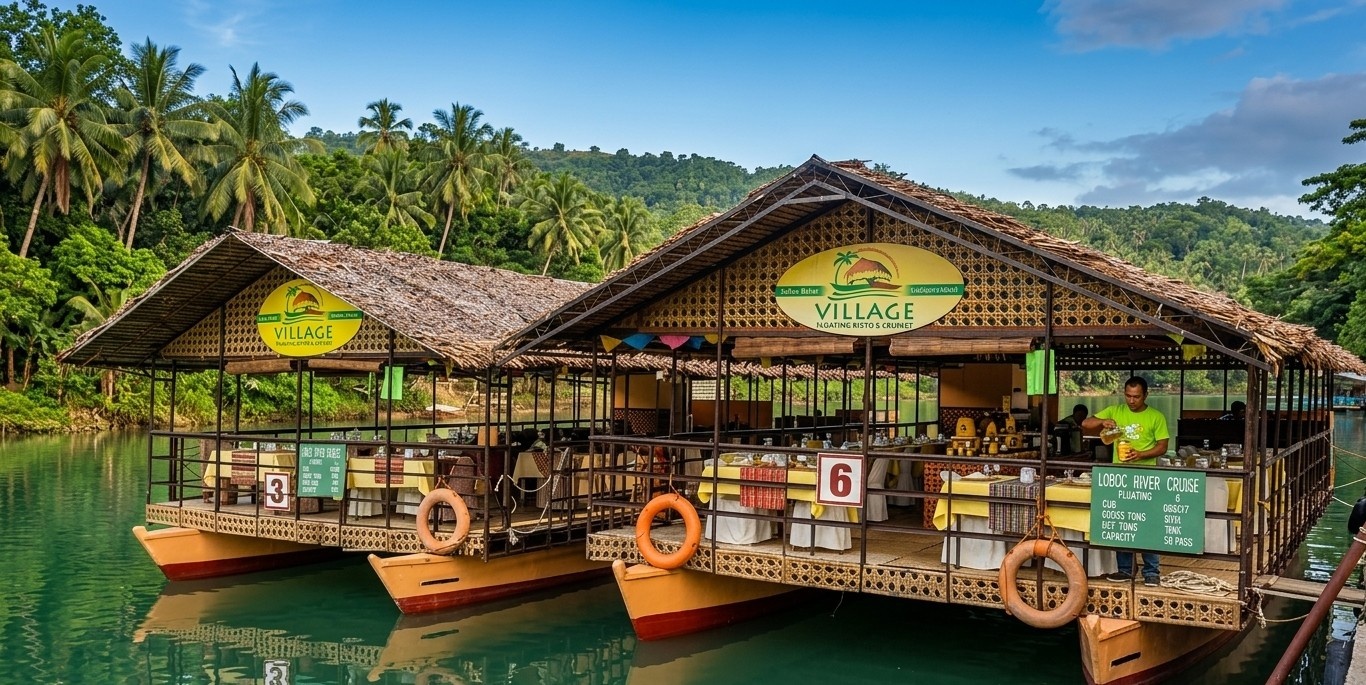
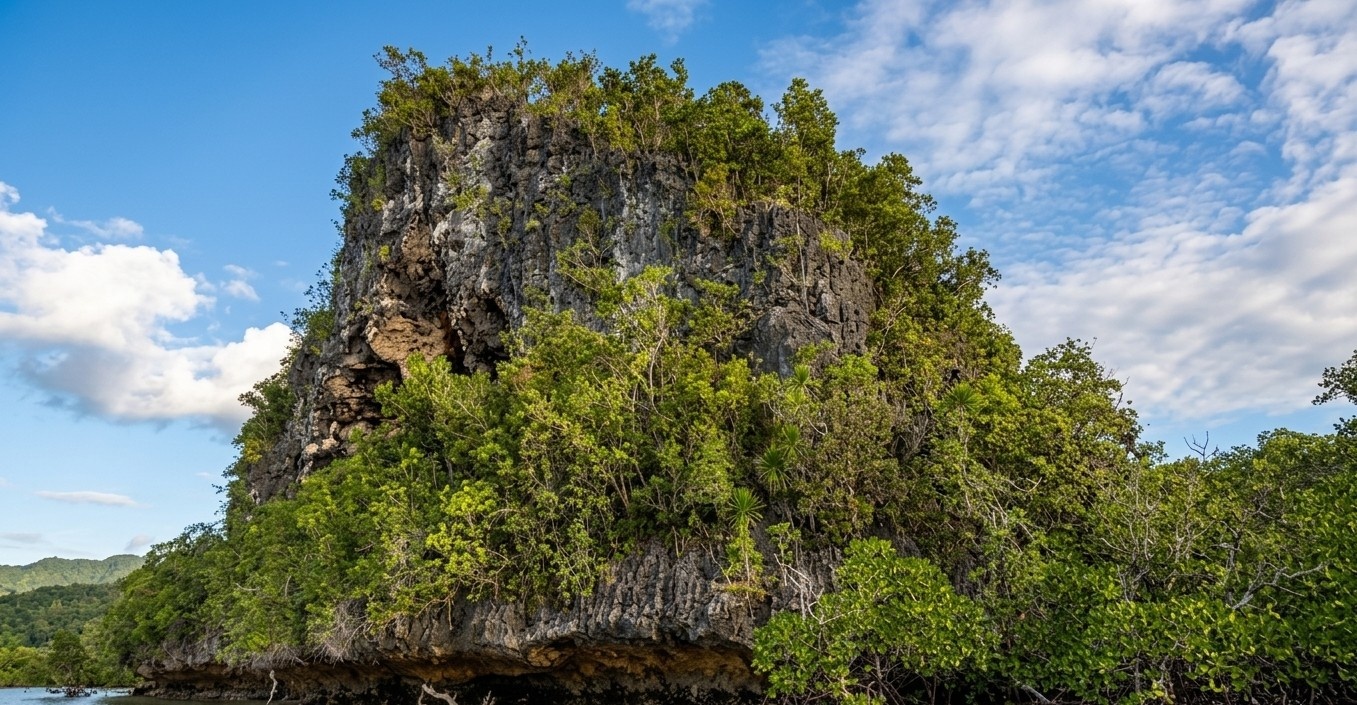
The launch of direct Tokyo-Bohol charter flights on May 2, 2026, represents a significant breakthrough for the province’s tourism recovery. Japan has consistently been a top source market for Central Visayas, and direct connectivity is expected to bring a higher volume of high-spending tourists who prioritize the island's unique eco-cultural offerings. This development follows the province’s successful promotion of its status as the Philippines’ first UNESCO Global Geopark, a designation that resonates deeply with the Japanese market’s interest in geological and cultural heritage.
The Evolution of the Catagbacan Cruise Port
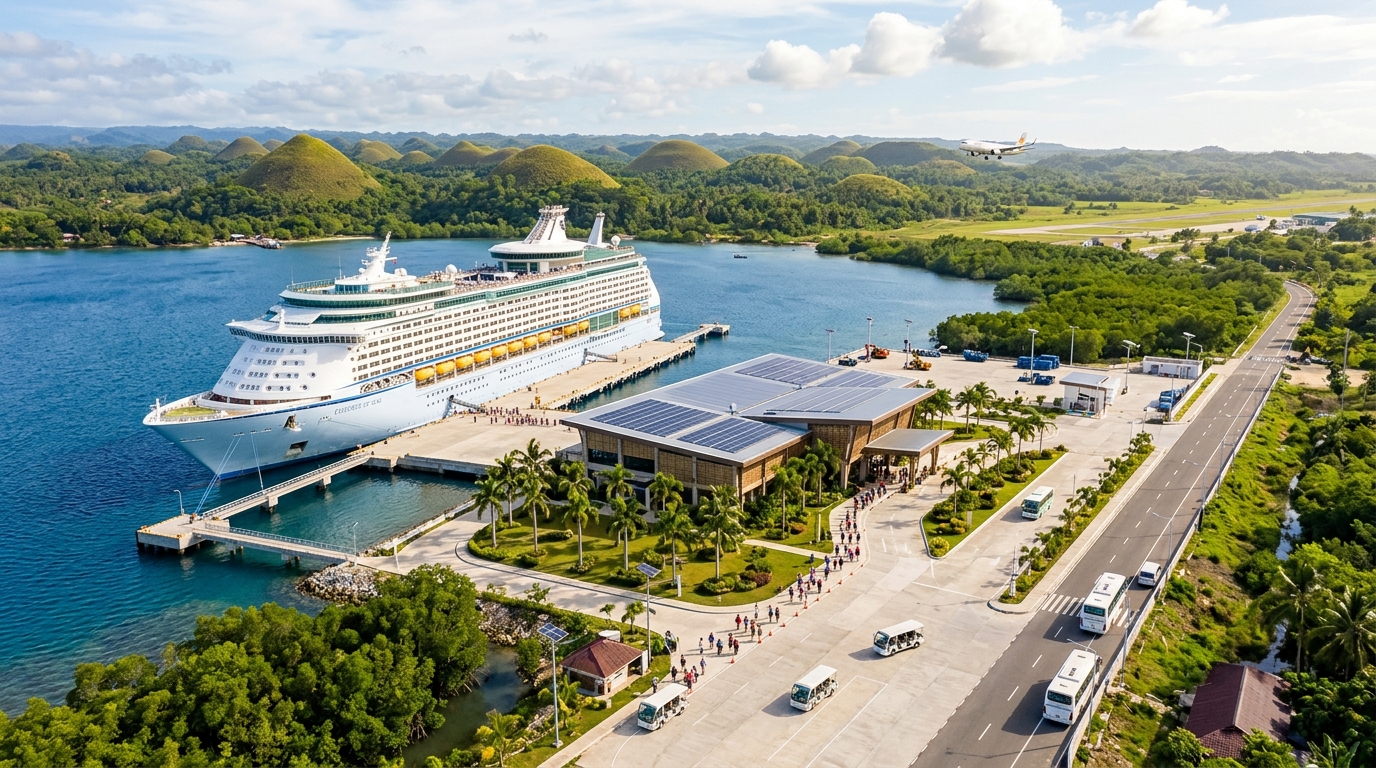
To support the surge in cruise passenger arrivals—which reached a national record of 226,247 in 2025—the PPA is prioritizing the expansion of the Port of Catagbacan in Loon. The project, which has received over ₱667 million in contract awards, involves the construction of a dedicated Cruise Ship Berth and a "Welcome Center cum Passenger Terminal Building". Strategically positioned to decongest the Tagbilaran City Port, the Catagbacan facility is designed to accommodate large-scale international vessels, providing direct access to prime tourism sites like the Chocolate Hills via newly developed road networks.
Sustainability and Environmental Stewardship
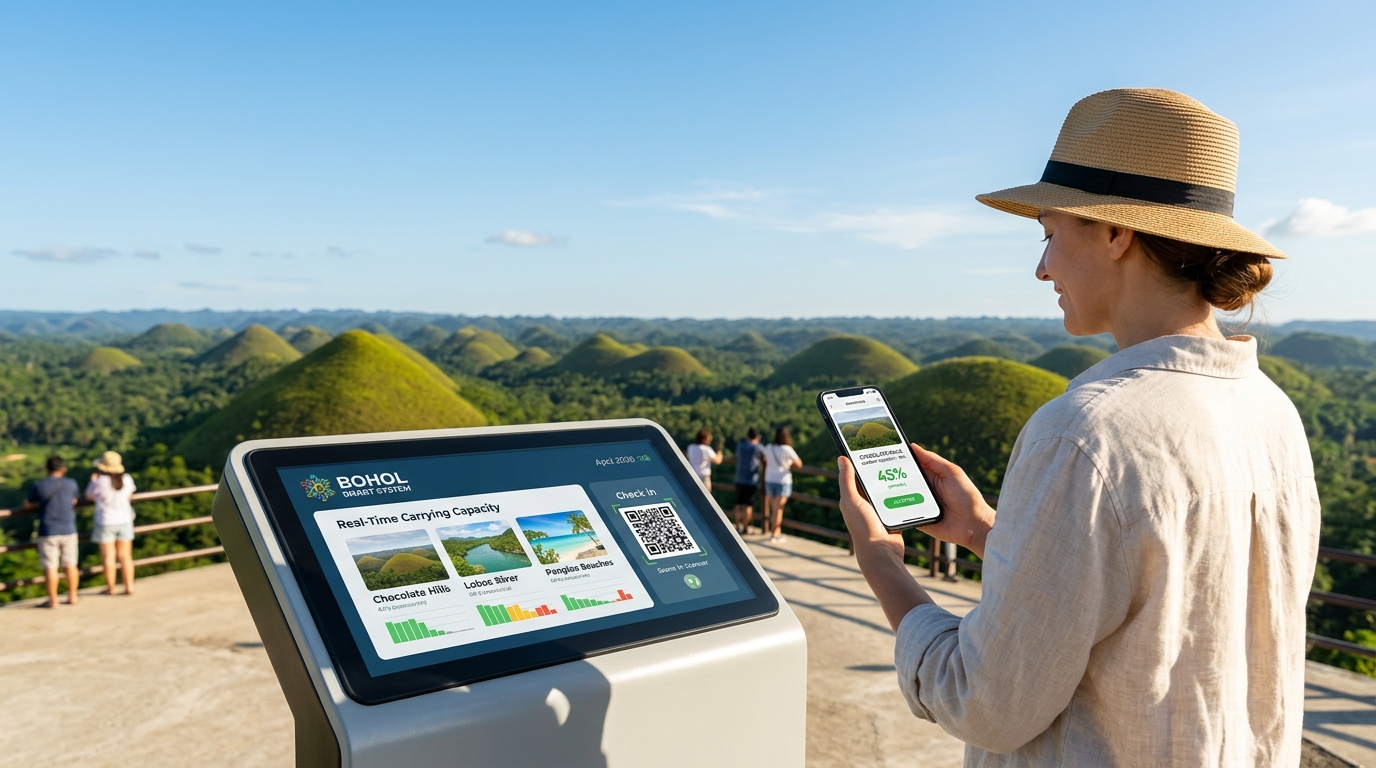
Despite the rapid infrastructure growth, Bohol remains committed to its "prime eco-cultural" vision, ensuring that development is "in harmony" with the environment. The provincial government has recently approved the "Bohol Tourism Code" to regulate the influx of visitors and protect the island's natural resources. This includes the adoption of green port initiatives at Catagbacan, such as solar lighting and electric-powered handling equipment, to minimize the carbon footprint of the growing cruise sector. By balancing aggressive infrastructure with environmental safeguards, Bohol aims to maintain its reputation as a "soothing haven" for global travelers.