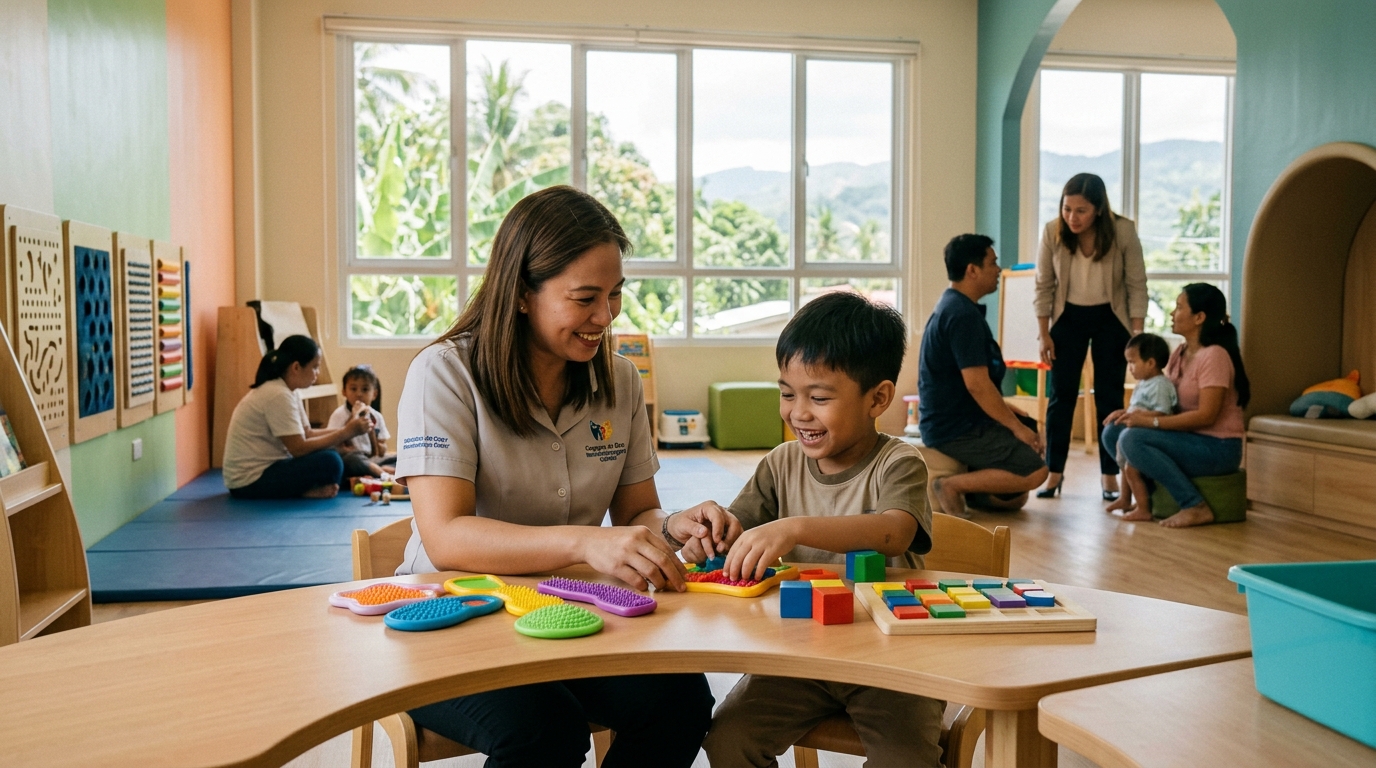
Cagayan de Oro is redefining tourism by focusing on inclusive care and specialized facilities, as evidenced by the new Neurodivergent Center initiative launched this April 2026. On April 22, 2026, a city delegation led by Councilor Desiree Dahino returned with fresh benchmarks for establishing a dedicated center in Barangay Pagatpat. This project aims to position CDO as a regional leader in "compassionate tourism," where facilities are designed not just for leisure but for the specialized needs of every family. This move is part of the city’s broader 2026 strategy to create a safer, more inclusive environment for residents and visitors alike.
Benchmarking for World-Class Services
The city's newly formed task force spent late April studying successful models for neurodivergent care to ensure that the Pagatpat facility meets international standards. Councilor Dahino emphasized on April 22 that the goal is to provide a center that offers accessible therapies and community intervention services. This project is a direct response to the growing global need for inclusive urban spaces that cater to diverse cognitive needs. By prioritizing this, CDO is signaling that its 2026 growth is as much about human capital as it is about infrastructure.
A New Pillar for Community-Based Tourism
The establishment of the center in Barangay Pagatpat is expected to turn the area into a hub for inclusive community activities and educational exchanges. Local residents are being engaged to support the center’s operations, creating new jobs and specialized service roles within the barangay. This "social infrastructure" approach ensures that tourism and public service are intertwined, making the city a more attractive home for modern families. It also sets a precedent for other cities in Northern Mindanao to follow in terms of social responsibility.
Securing the Future of CDO’s Children
The task force’s return on April 22 marks the beginning of the policy-writing phase for the center, which is expected to be a cornerstone of the city’s social welfare agenda. By providing a dedicated space for children with autism and other developmental conditions, the city is building a more resilient social fabric. This long-term investment in specialized care is expected to drive a new kind of "medical and social tourism" to the region. As the project moves into the development stage, the excitement within the local community continues to grow, promising a brighter, more inclusive 2026.