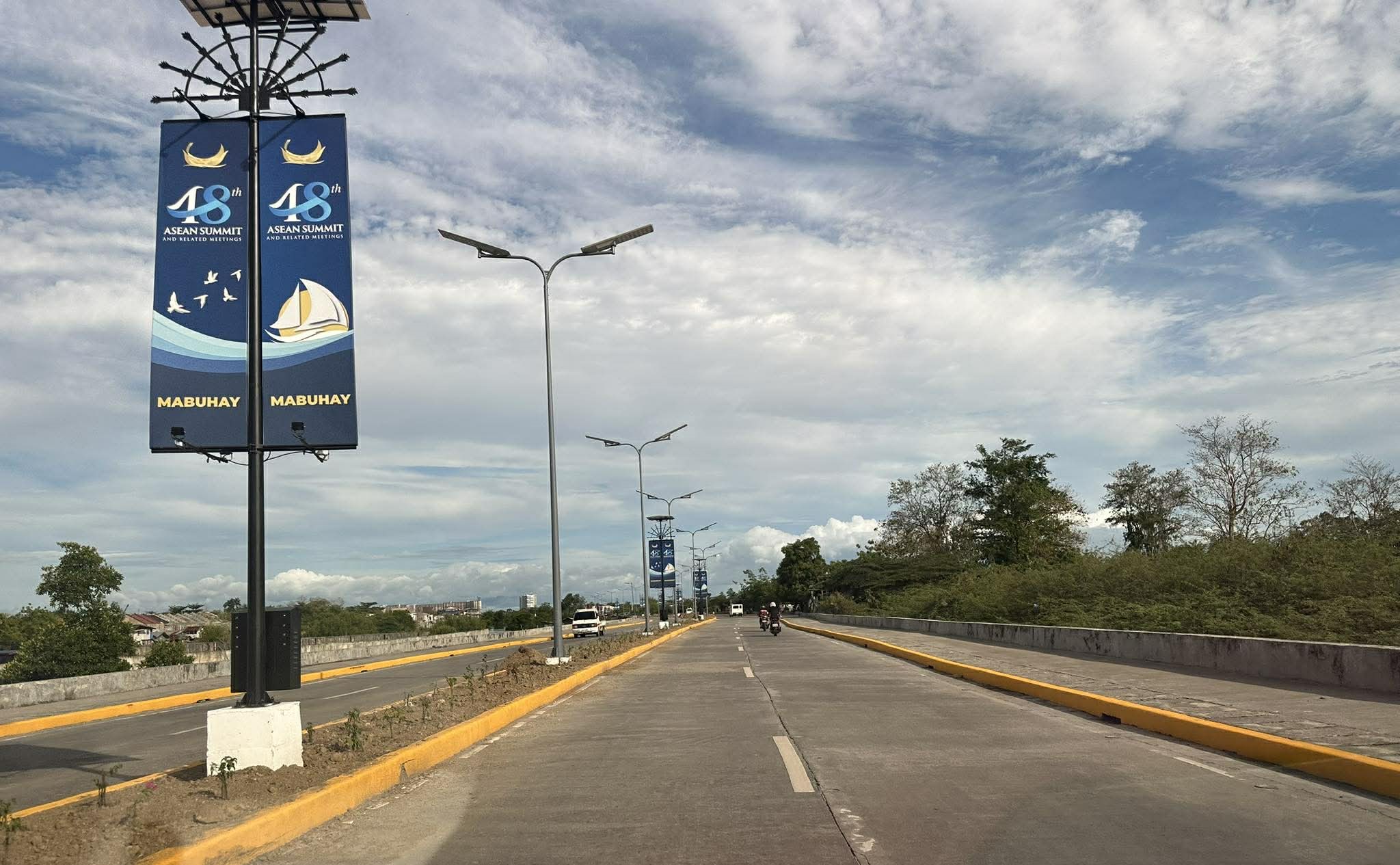
CEBU CITY — The diplomatic convoys have left Mactan, the temporary road signs have been dismantled, and the 66 families who were briefly relocated from the security perimeter around the Mactan Expo have returned to their homes. Cebu’s 48th ASEAN Summit, a two-day showcase of choreographed order, has concluded. But as the province basks in the afterglow of a successfully hosted international event—with President Ferdinand Marcos Jr. and Governor Pamela Baricuatro commending the seamless coordination—a prominent voice from the country’s real estate sector has stepped forward with a pointed challenge: Why let the discipline end here?
Anthony O. Leuterio, the founder and CEO of Filipinohomes and the 2024 International Realtor of the Year, issued a statement in the summit’s immediate aftermath that cut through the celebratory tone. It was a challenge to both the national government and the local leaders in Cebu to treat the efficiency, cleanliness, and overwhelming sense of security felt during the ASEAN Summit not as a fleeting “performance mode” for foreign dignitaries, but as the baseline standard for ordinary Filipinos. “Treat every Filipino as your boss,” Leuterio declared, framing his message in a way that directly reminded public servants that their mandate derives solely from the people.
The Two Realities of the City: Summit Mode vs. Daily Mode
The contrast Leuterio highlighted is a familiar one to residents of any major Philippine city. During the summit, roads were smoothly paved, traffic flowed with military precision, garbage collection was immediate, and the police were omnipresent. He noted that while the world saw a “prepared, clean, safe, and disciplined” Cebu, the residents who live there daily often contend with uncollected garbage, blocked road rights-of-way, and erratic police visibility.
As the founder of a real estate brokerage that operates from a headquarters in Cebu City and has expanded to Dubai, Leuterio’s perspective is inherently tied to the physical environment. He understands that the value of a community is determined not by how it looks during a once-a-year event, but by how it breathes during a normal Tuesday. “Let us make our country feel prepared, clean, safe, and disciplined daily,” he urged. “Collect the garbage properly. Clear the roads and road right-of-ways. Keep the streets clean. Maintain peace and order. Put enough police visibility where people need it.”
A Philosophy Rooted in a Life in Real Estate
Leuterio’s call for consistent public service is not a detached, abstract complaint. It is the culmination of a career spent on the ground level of community-building. As the founder of Filipino Homes—the country’s largest real estate marketing network with over 35,000 agents and a “one-stop shop” for property solutions—he has been named 2024 International Realtor of the Year by the National Association of Realtors in the United States. In April, he publicly urged the Department of Human Settlements and Urban Development (DHSUD) to fast-track the release of Licenses to Sell to unlock stalled housing projects.
His statement after the ASEAN Summit, therefore, reads less like a random critique and more like a real estate developer’s manifesto. The essence of a property’s value lies in its location, and a location’s value is defined by governance. Dirty streets, unsafe corners, and clogged roads are not merely inconveniences; they are depreciation factors on the hard-earned assets of every Filipino homeowner. When Leuterio insists that the government treat citizens like its employer, he is essentially fighting for the protection of their most significant investment.
The Summit as a Proof of Concept
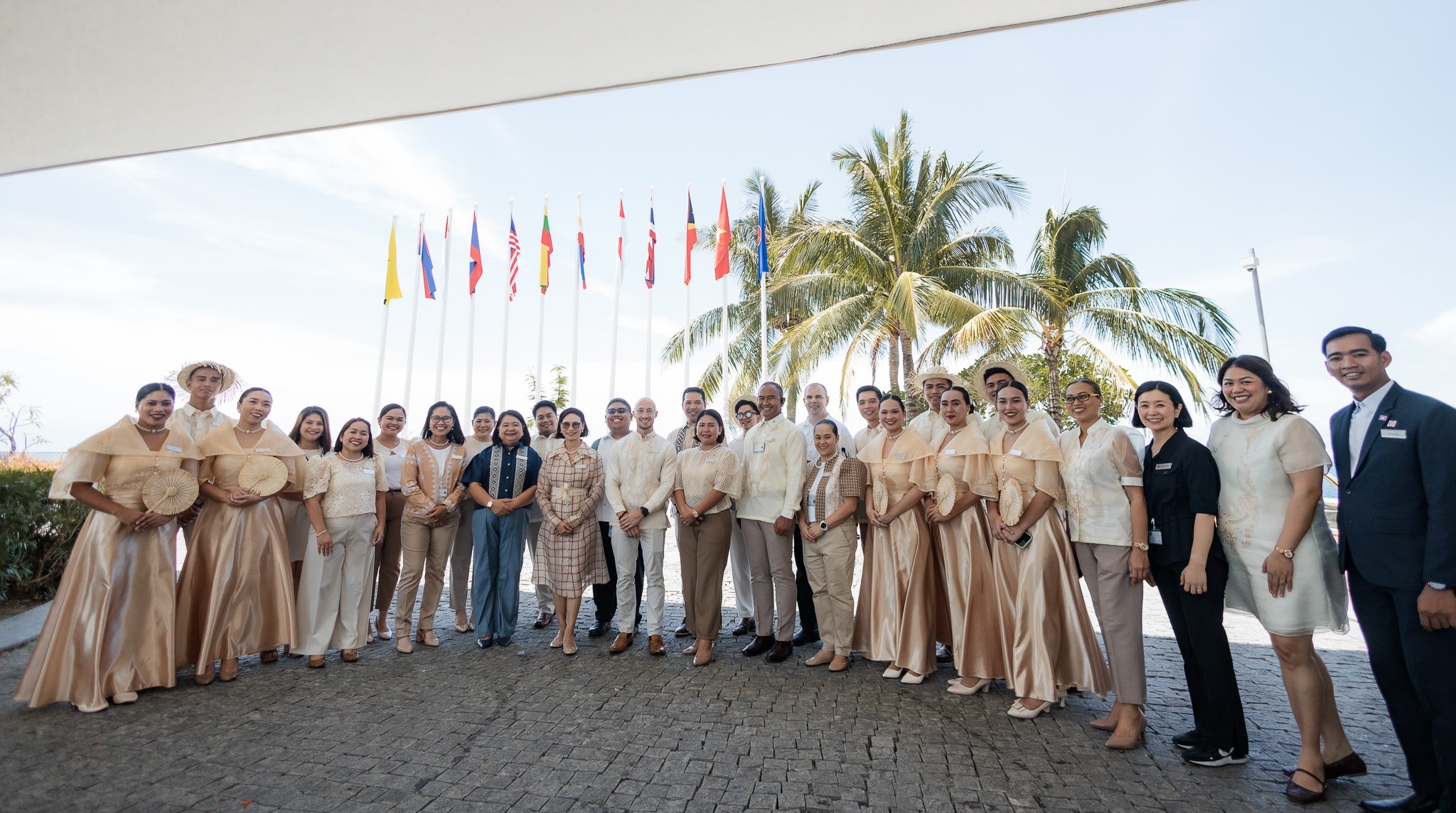
What makes Leuterio’s challenge so difficult for bureaucrats to dismiss is the undeniable success of the ASEAN Summit itself. It proved that local and national agencies could coordinate on a massive scale. The National Organizing Committee recognized the collective efforts of security forces, organizers, and leaders at an appreciation event at Shangri-La Mactan. More than just a logistical victory, economist Fernando Fajardo described the summit as a “wake-up call” in Cebu Daily News, noting that the event “accelerated improvements in infrastructure coordination, urban management, and inter-agency cooperation—areas often slow-moving under normal conditions.”
Leuterio and Fajardo appear to be arguing the same point from different silos. Where Fajardo sees the summit as proof that Cebu can compete with Da Nang, Penang, and Surabaya for foreign investment, Leuterio sees it as proof that the government can provide basic dignity to its taxpayers right now, without a foreign audience to impress. “Public service should not be seasonal. It should be consistent,” he said. “Every Filipino is your boss, and every Filipino deserves the best service from our country.”