The historic resort city of Lapu-Lapu is currently the center of a massive cultural diplomacy effort as local artisans prepare their works for a global audience. On May 8, 2026, enterprise leaders from Ver and Ver Handicraft Trading were highlighted for their role in bringing Cebuano shell-craft to the prestigious ASEAN Partners Pavilion. This family-run business has spent the week of May 1 to May 8 showcasing how raw marine materials can be transformed into high-end fashion accessories and home decor. For the 2026 market, these items represent a "luxury of heritage," proving that traditional island crafts can compete in the world’s most sophisticated retail environments.
The Intricate Art of Marine Mosaic
The craftswomen of Lapu-Lapu utilize a centuries-old technique to piece together tiny shell fragments into complex mosaics that resemble fine marble or porcelain. This week, international delegates have been given a first-hand look at the "export-ready" quality of these products, which range from statement jewelry to intricate furniture inlays. By utilizing sustainable sourcing methods, these artisans are ensuring that their trade remains viable for the next generation of Cebuano creators. It is a high-energy transition from simple souvenir-making to a sophisticated, investment-driven design industry that values both the ocean and the artisan.
Weaving the Soul of Argao
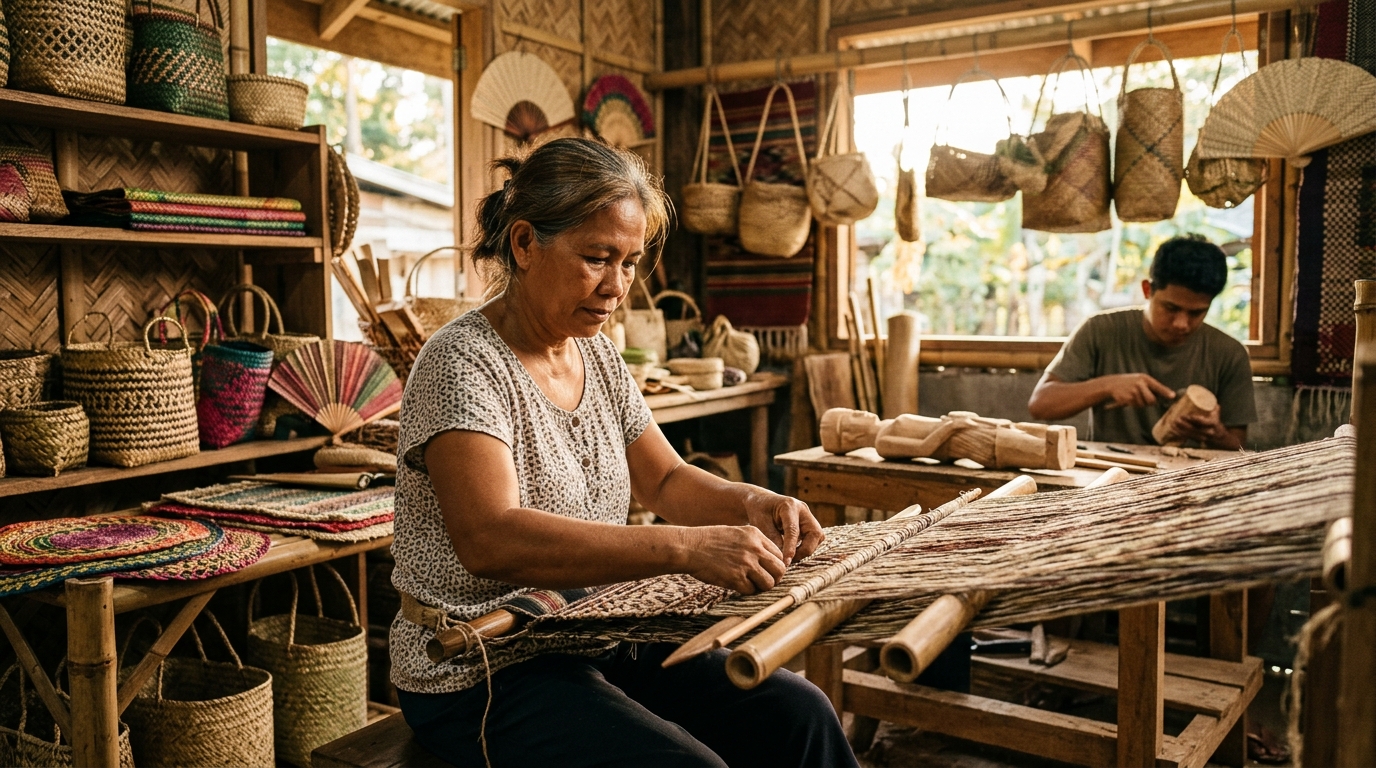
Simultaneously, the social enterprise Hinabalon sa Cebu is bringing the handloom traditions of Argao into the spotlight this May. Using the traditional "Hablon" technique, weavers are creating textiles that blend indigenous patterns with modern silhouettes, appealing to a younger, more fashion-conscious demographic. This initiative acts as a primary tool for rural development, providing stable incomes for women in the southern highlands while preserving a "fading" art form. The 2026 "Experience Economy" is hungry for these authentic stories, and Argao’s weavers are positioned as the primary narrators of this textile revival.
A New Chapter for Cultural Diplomacy
As of May 8, the inclusion of these MSMEs in the regional summit is being viewed as a strategic victory for the provincial government’s "Cebu First" branding. By showcasing these crafts to regional leaders, the province is effectively marketing itself as a hub for "Creative Excellence" rather than just a beach destination. This exposure is expected to lead to new export contracts and direct partnerships with luxury retailers in the ASEAN region. For any resident of Cebu, the success of these artisans serves as a source of pride, reminding the world that the island's greatest resource is the skill of its people.