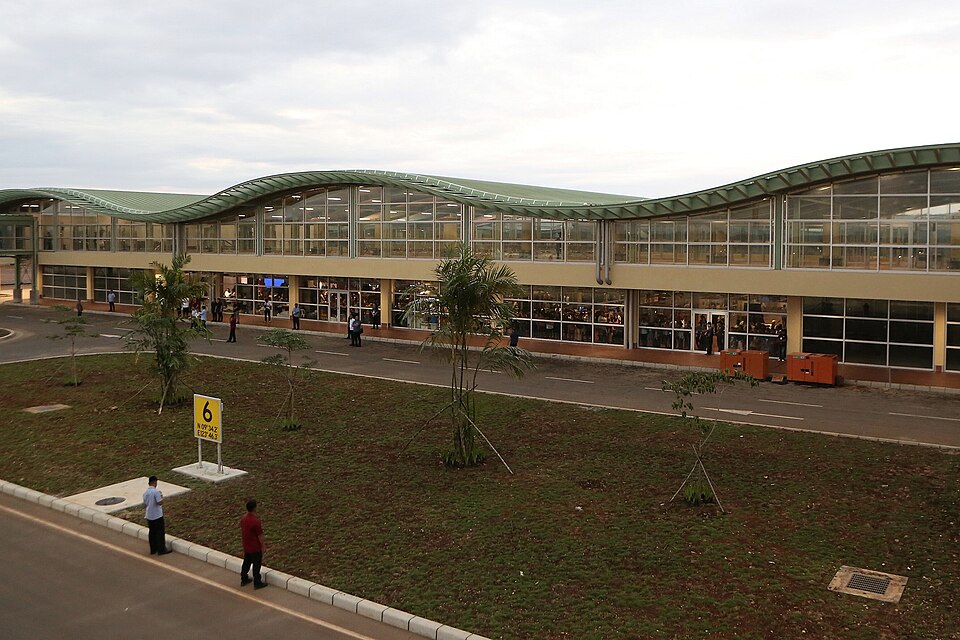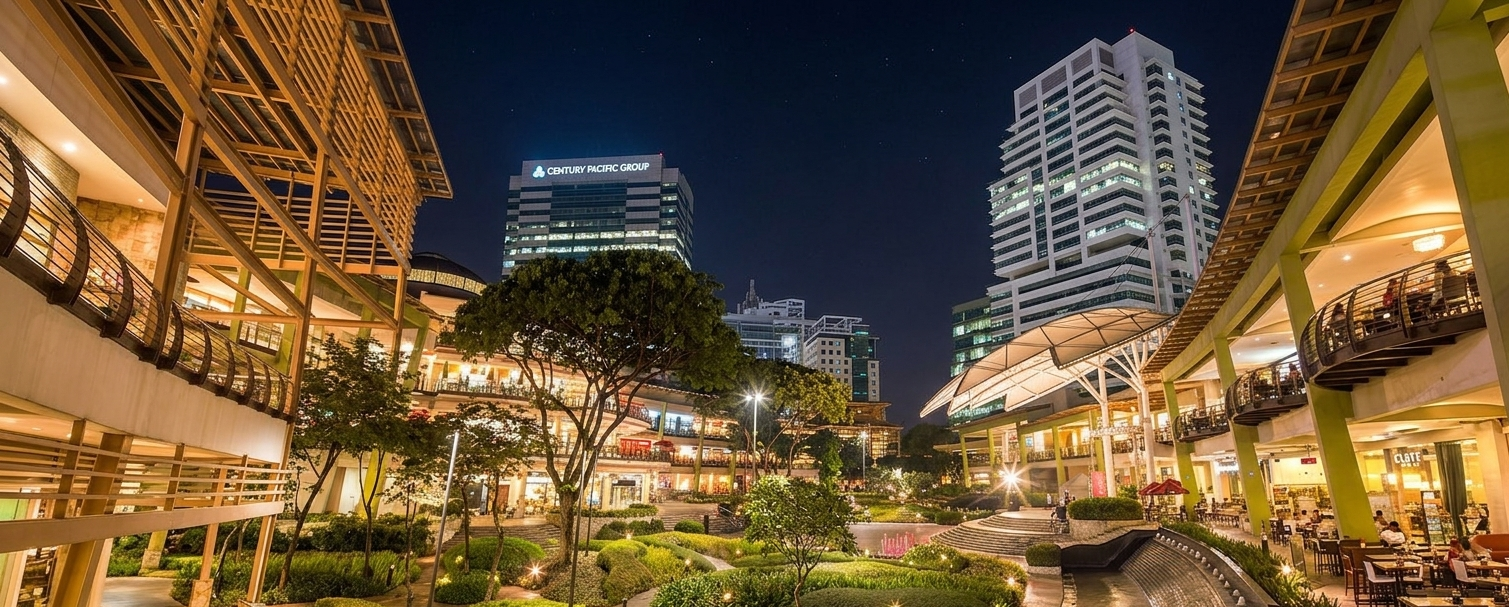

CEBU — The queue for job seekers had already begun to form before sunrise in several of Cebu’s busy centers this May 1. From the glass-paneled SM City Cebu Trade Hall to the wide, open halls of the Provincial Capitol, thousands of hopefuls came armed with not only resumes and IDs but the quiet determination to leave behind months of uncertainty. It was the 124th Labor Day. For the Department of Labor and Employment in Central Visayas (DOLE-7), the day was not just about the usual distribution of financial aid and solemn Labor Day rites — it meant transforming a national holiday into a genuine launchpad for thousands of job seekers.
Entry-Level Focus: A Bridge from the Classroom to the First Paycheck
A large portion of the crowd were fresh graduates and first-time applicants. The shifting economy had made the leap from campus to cubicle particularly steep, and for many of these new faces, the primary obstacle was an intimidating one: no experience. DOLE-7 and the Cebu City Department of Manpower Development and Placement (DMDP) took this to heart.
“Job fairs are good for entry-level intervention,” said Anthony Aguhar, head of the DMDP. This year’s edition intentionally emphasized vacancies aimed at helping applicants gain a foothold in the professional world. A special booth was set up specifically to guide senior high school graduates, offering not just positions but, more critically, mentorship on how to apply and what to expect in their first 90 days. Complementing this, the JobStart Philippines program rolled out in Cebu City, offering coaching, life skills training, and technical internships — a safety net for those who need more than a hiring booth to succeed.
A Spectrum of Vacancies: Beyond the Entry Level
Employers came prepared with openings that covered the full spectrum of the workforce. On the local front, companies listed close to 3,000 positions. The bulk of the demand was in familiar high-volume sectors: customer service representatives and technical support associates for the Business Process Outsourcing (BPO) industry, sewers and sewing operators for the garment trade, and production operators for manufacturing.
This year’s fair, however, also presented a significant avenue for those willing to work abroad. Approximately 5,848 overseas positions were up for grabs, targeting skilled trades. The highest demand was for construction workers, with employers urgently looking for carpenters, foreman welders, laborers, and piping foremen. The hospitality sector also contributed, needing waitstaff for international hotels and resorts. For those not quite ready, the DMDP had a contingency: one-on-one career counseling and referrals to upskilling programs, including partnerships with the Cebu Call Center Academy to turn applicants into virtual assistants.
One-Stop-Shop Government Services
Recognizing that a job offer is only as good as the paperwork that follows, several government agencies put up service booths. The Department of Migrant Workers (DMW), the Social Security System (SSS), and the Philippine Health Insurance Corporation (PhilHealth) were on-site to assist with pre-employment documentation. The presence of the National Bureau of Investigation (NBI) helped facilitate clearances, turning what is usually a multi-day bureaucratic process into a simple, same-day task for some applicants. The Technical Education and Skills Development Authority (TESDA) also conducted orientations for its scholarship programs, offering an alternative path for those who choose to upskill first.
More Than a Hiring Hall: Why This Job Fair Looked Different
While the primary goal of immediate hiring was evident, this Labor Day job fair attempted to act as a pulse check on the local workforce. Dr. Roberto Cabardo, information officer of DOLE-7, noted that while the volume of applicants was high, there remained a "gap" between the needs of employers and the qualifications of some applicants, particularly in the communication-reliant BPO sector. The response this year included the integration of wellness services and livelihood grants, such as the ₱10.9 million distributed to local cooperatives for projects like vegetable farming and food processing.
As the heat of the day subsided, the halls remained busy. Yet the atmosphere was less of a desperate scramble and more of a focused marketplace of opportunity. For the thousands who went home with an employment contract or a scheduled interview, May 1, 2026, was a decisive turning point.