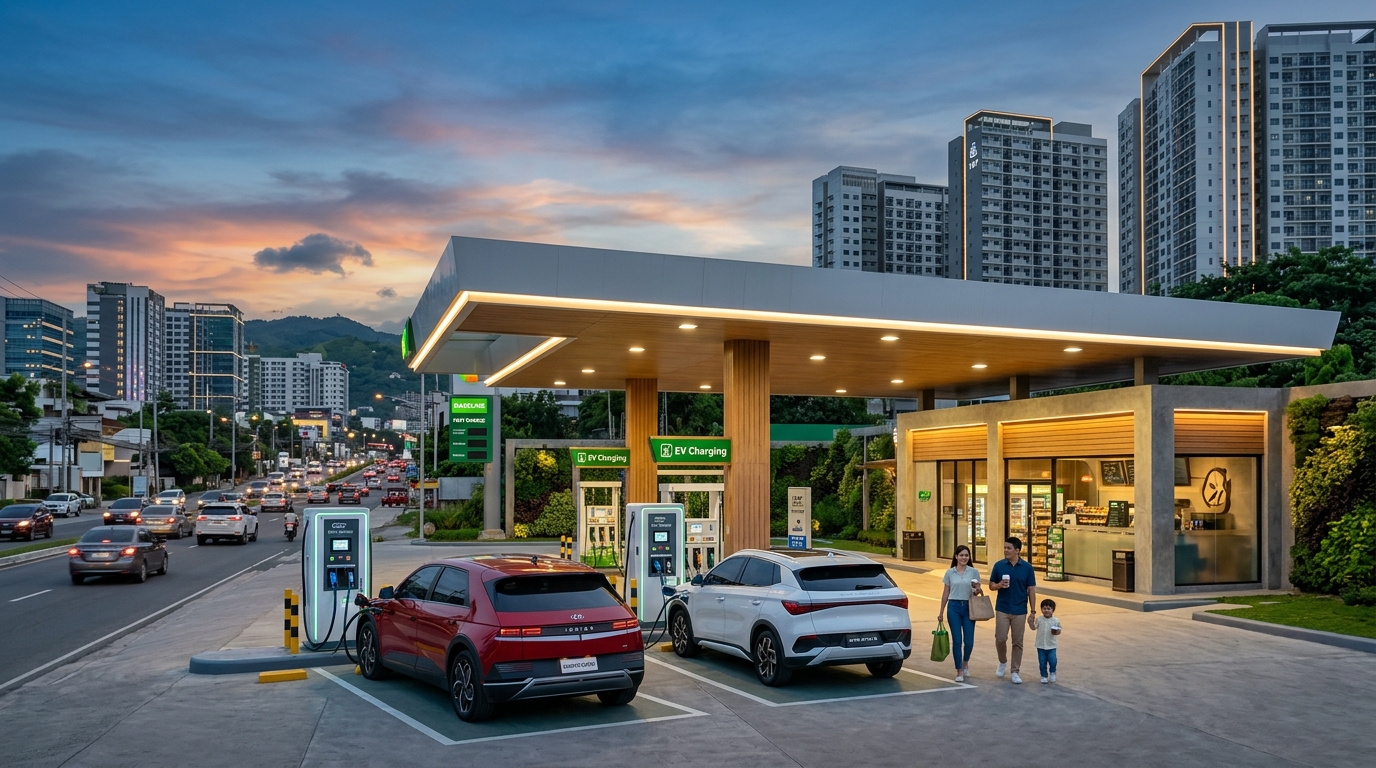
Cebu is currently leading the Charge—literally—as the province’s largest fuel distributors begin a massive transition toward electric vehicle (EV) infrastructure. A major local fuel firm announced the integration of high-speed EV charging stations into their existing network of traditional gas stations. This strategic move is a direct response to the surge in electric car ownership in Metro Cebu, where residents are looking for "Immediate Solutions" to the rising cost of imported fuel. For the 2026 commuter, this means that the "gas station" of the past is being replaced by a modern mobility hub that supports a cleaner, quieter urban environment.
A Bridge Between Two Energy Eras
The implementation of these charging points is being handled with a focus on "ease of access," utilizing existing commercial hubs to ensure that drivers never feel "range anxiety." These new stations are equipped with Level 3 fast chargers, capable of providing a significant battery boost in the time it takes to grab a coffee at the station's convenience store. This "Dual-Energy" model allows the city to transition gradually toward a fully electric future without disrupting the daily routines of the commuting public. By the time the week ends this May 8, the first set of stations in Mandaue and Cebu City will be operational, serving as a lighthouse for the city's green ambitions.
Incentivizing the Shift to Battery Power
The city government is supporting this private sector surge by evaluating a new set of "Green Plate" incentives that would offer EV owners priority parking and toll exemptions. Local leaders noted on May 7 that the goal is to make the switch to electric so convenient and cost-effective that it becomes the default choice for the next generation of car buyers. This policy alignment ensures that the infrastructure being built by fuel firms is met with a growing market of enthusiastic users. It is a sophisticated effort to turn the "energy crisis" into a catalyst for the city’s technological and environmental modernization.
Reshaping the 2026 Urban Lifestyle
The success of these EV hubs is also triggering a real estate shift, as developers of condominiums and office towers begin to include "Charge-Ready" spaces in their new projects. Investors are increasingly looking at these "smart" features as a primary differentiator in a competitive market, where sustainability is now a key selling point. For the 2026 resident, living in an EV-capable city means a higher quality of life with less noise and air pollution in high-density areas. As the province moves closer to its "Carbon Neutral" goals, the hum of the electric motor is becoming the new sound of Cebuano progress.