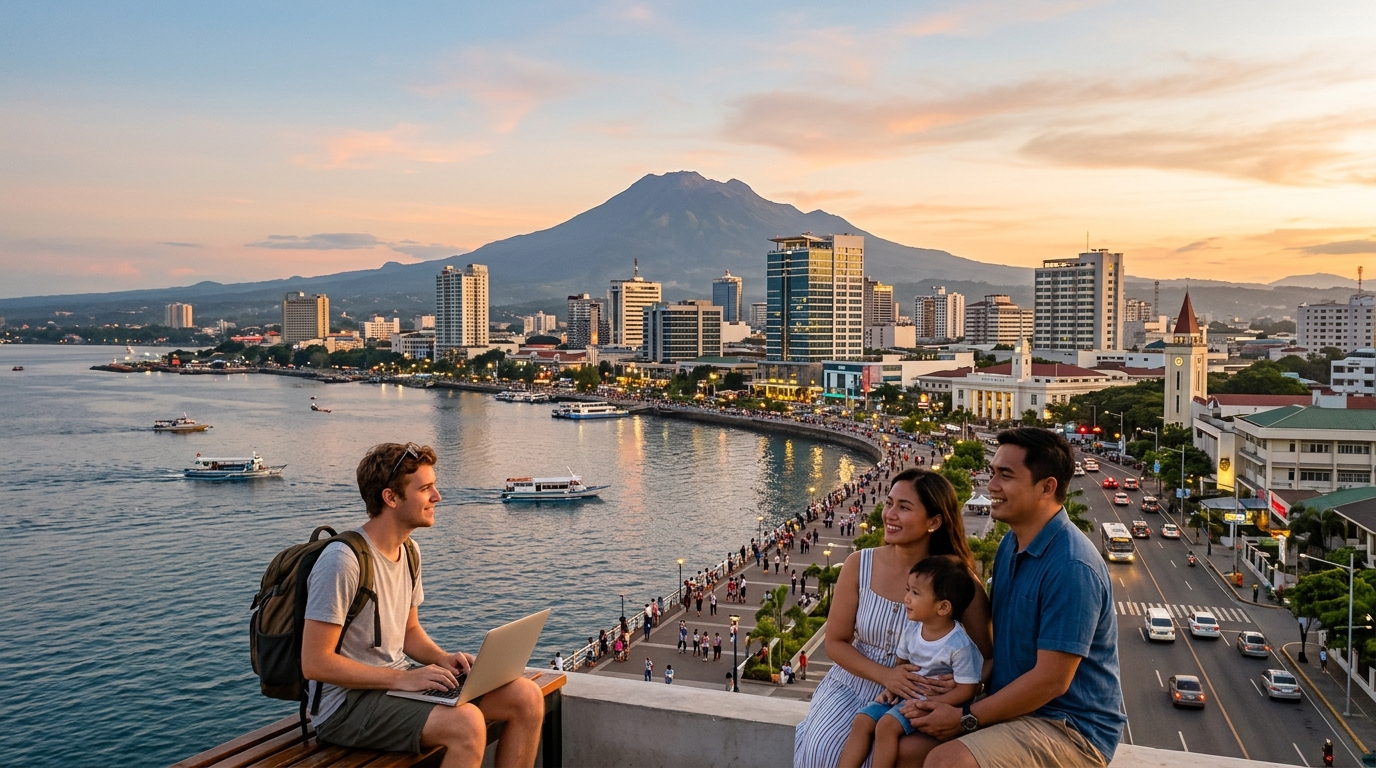
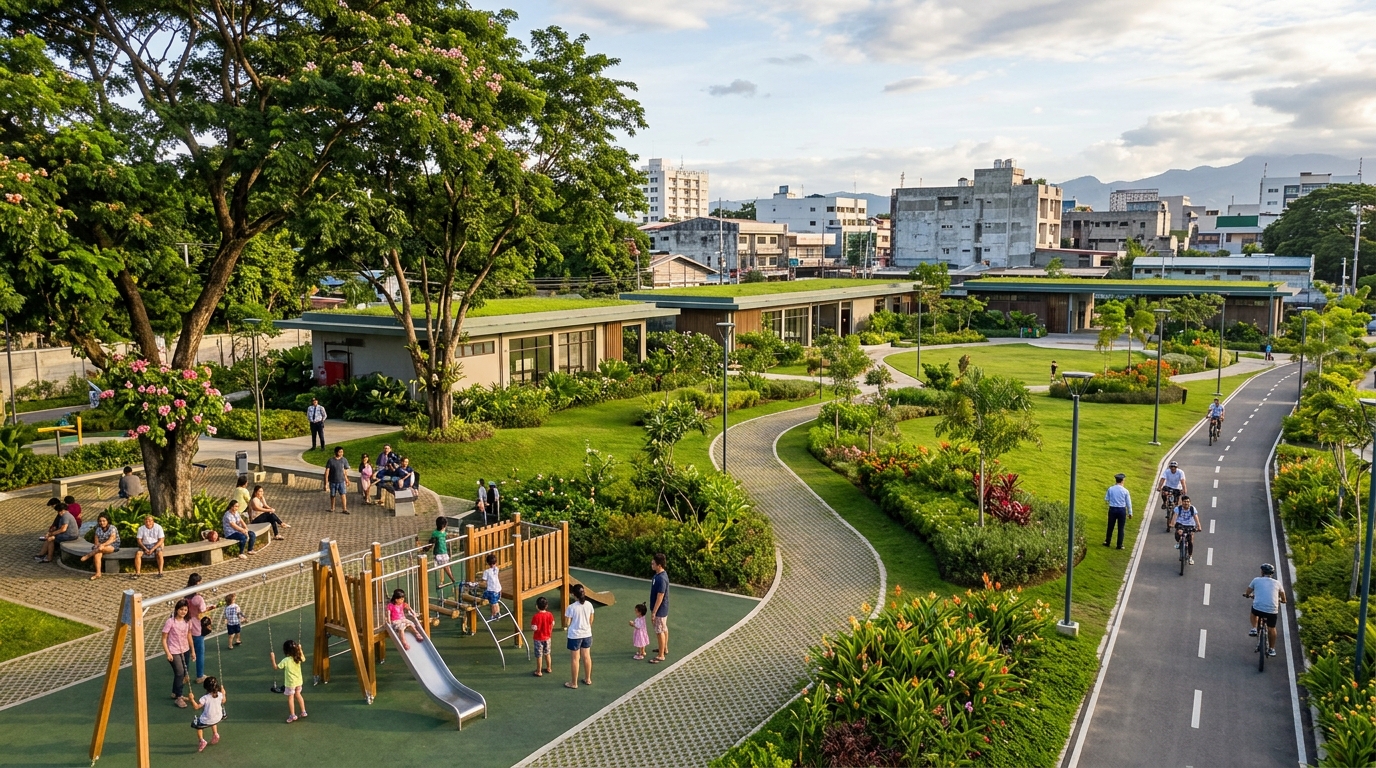
The concrete sprawl of Davao City is receiving a much-needed emerald injection as the local government initiates a major overhaul of its metropolitan parks. Under a new executive order issued in late April 2026, the City Parks System Management Board has been reconstituted to pivot away from mere maintenance toward active environmental preservation and community wellness. This transformation marks a shift in how the city views its public lands, treating them not just as patches of grass, but as essential infrastructure for mental health and social cohesion.
A Strategy for Sustainable Leisure
The recent administrative move is designed to ensure that the "Life is Here" slogan extends to the very soil of the city's plazas and botanical gardens. By bringing together a diverse board of environmental experts and urban planners, the city is moving toward a master plan that prioritizes native flora and high-durability facilities. This shift ensures that the parks can withstand the increasing foot traffic from the city's 2 million annual visitors while remaining free and accessible to the average Dabawenyo. The focus is now on creating self-sustaining ecosystems within the city that can naturally mitigate urban heat.
Safety and Nighttime Roving
Parallel to the aesthetic and biological upgrades, the Public Safety and Security Office (PSSO) has deployed specialized roving teams to ensure these green spaces remain sanctuaries at all hours. As of early May 2026, night patrolling has been intensified to deter vandalism and ensure that ordinances, such as the regulation of minors during late hours, are strictly followed. This security layer is vital for maintaining the "family-friendly" reputation of spots like the People’s Park and the Coastal Road parks. It allows residents to enjoy the cooler evening air without the looming concern of urban disturbances or petty criminality.
The Integration of Digital Monitoring
In a move toward "smart city" park management, the local government is encouraging citizens to act as active stewards of these spaces through a direct 911 reporting system. Whether it is reporting kite-flying violations near the airport or suggesting improvements to lighting, the feedback loop between the public and the PSSO has been tightened. This participatory approach ensures that the parks evolve based on actual user needs rather than just administrative theory. By blending security, digital engagement, and botanical expertise, Davao is setting a new standard for how a Philippine metropolis can grow without losing its breath.