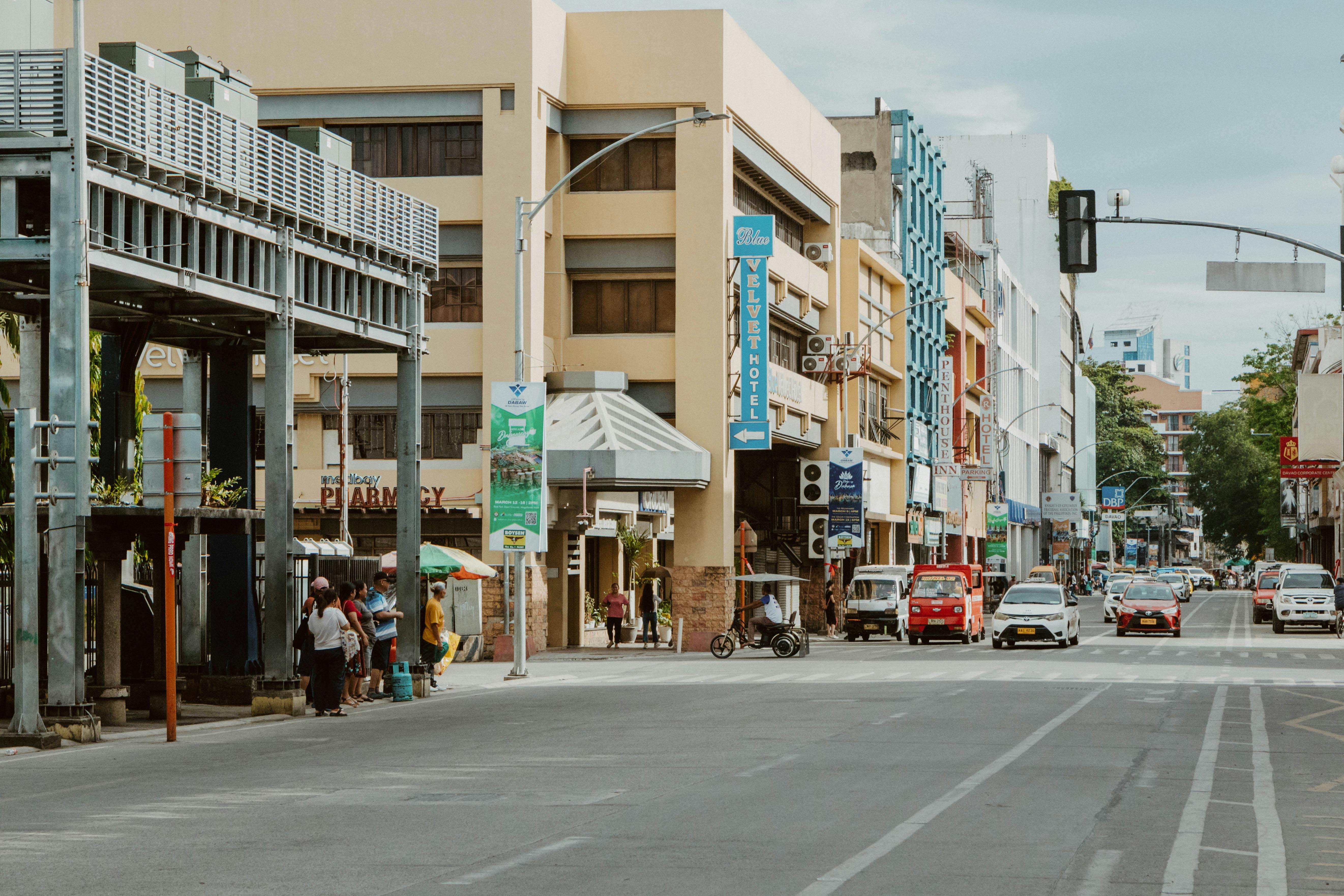
Davao City — the primary economic engine of Mindanao — is currently the site of a high-stakes confrontation between the local government and real estate stakeholders. As the city government seeks to update its Schedule of Market Values (SMV) for the first time since 2017, the resulting proposals have sparked resistance from industry boards and commercial entities concerned about the city’s continued competitiveness as an investment destination.
The Magnitude of Proposed Valuation Adjustments
The proposed 2026 SMV reveals a staggering escalation in property values that significantly exceeds the historical growth rates of the past decade. For instance, top-tier commercial land (C1) is set to rise from its 2017 level of ₱33,820 to ₱60,100 per square meter, while residential subdivision land in first-class categories is jumping from ₱15,890 to ₱37,000 per square meter. Industry leaders argue that these technical documents are critical policy instruments that affect not only taxation but also investor confidence and overall economic competitiveness. The sudden nature of these increases, occurring as the city grapples with broader national economic pressures, has raised questions regarding the transparency and methodology used by the City Assessor’s Office.
Socio-Economic Impact on Agriculture and Housing
The most severe revisions are directed at the agricultural sector, where 1st-class Lakatan banana lands are facing a valuation surge from ₱271,000 per hectare to over ₱3.4 million, a 1,200% increase that threatens the viability of small landowners. DCCCII representatives have emphasized that such disproportionate hikes directly jeopardize food security and the competitive edge of Davao’s primary export industries, which are already struggling with increased transport costs. Simultaneously, the Davao Board of Realtors has questioned the feasibility of the government’s own affordable housing initiatives when the underlying market value of land is allowed to skyrocket beyond the reach of the middle-income demographic.
Legislative Mediation and Investor Outlook
In response to the mounting opposition, the Davao City Council has directed stakeholders to submit formal position papers for consideration in upcoming committee hearings focused on finance, ways, and means. Councilor Danilo Dayanghirang has noted the current economic hardship, exacerbated by fuel price spikes and increased VAT, suggesting that the city cannot afford additional tax burdens at this juncture. Despite these fiscal tensions, the long-term outlook for Davao remains underpinned by massive infrastructure projects, such as the Davao City Bypass and the expansion of the Davao-Sasa Port, which continue to drive a 20% year-on-year increase in building approvals.