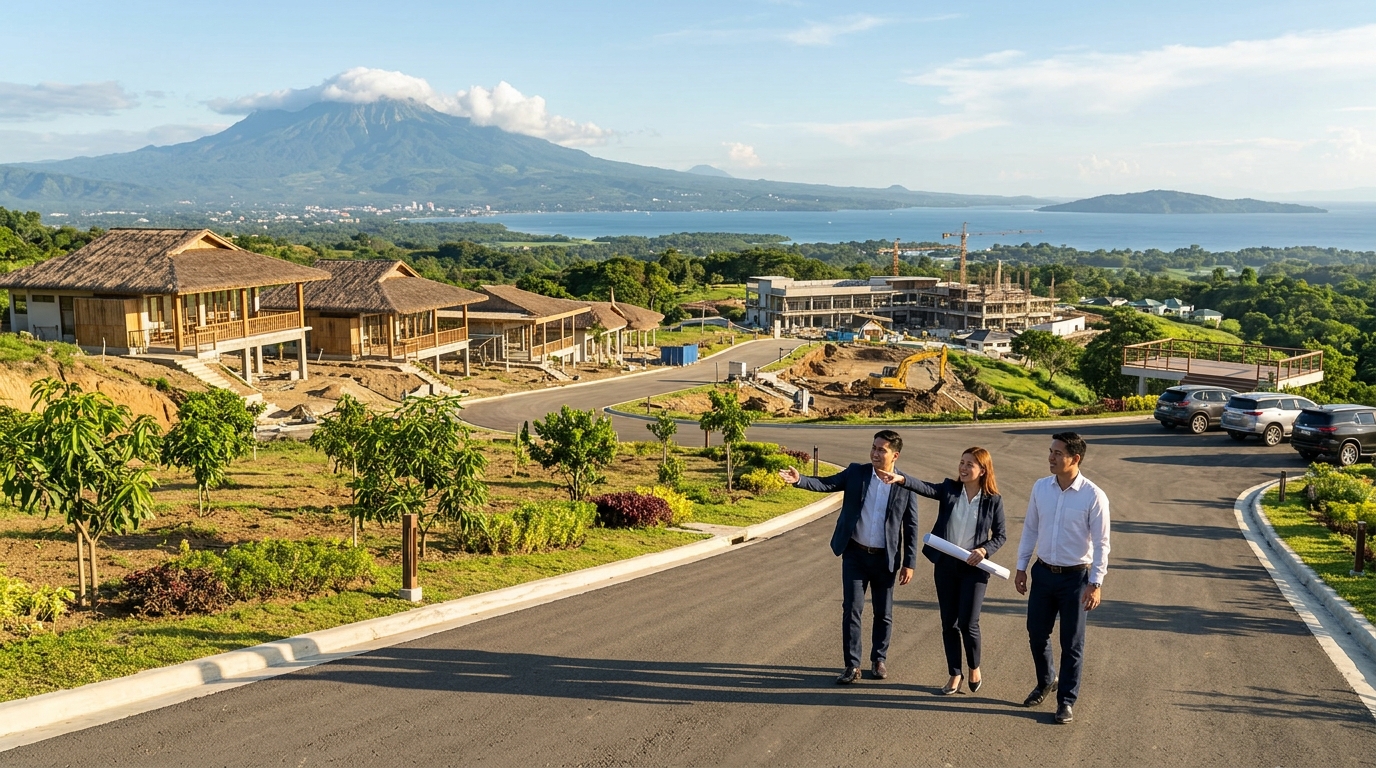
While some sectors face economic headwinds, Davao City’s real estate industry is proving its legendary resilience this May through a strategic shift toward farm estates and resort-style developments. During the Habi at Kape forum on May 6, 2026, industry leaders noted that buyers are no longer just looking for standard houses, but are instead investing in "lifestyle-driven" properties. This evolution is fueled by a massive 27% year-on-year increase in tourist arrivals, generating approximately ₱35 billion in tourism receipts. Investors are now focusing on emerging growth zones outside the traditional city center, where new infrastructure is rapidly increasing land values.
Adapting to Changing Investor Needs
The local property market is evolving rather than weakening, with Rebap-Davao leaders highlighting that buyers are gravitating toward industrial and tourism-related developments. Traditional residential housing remains active, but there is a clear trend toward agricultural properties that offer a blend of investment and lifestyle benefits. This "changing of focus" ensures that the industry stays vibrant despite broader economic pressures that might affect other regions. It is a sophisticated market that is learning to prioritize the long-term needs of a modern, multi-sectoral economy.
Infrastructure Opening New Frontiers
Massive government investments in transportation, such as the Davao City Bypass Road, are opening up new development zones that were previously considered inaccessible. These urban transport corridors are significantly boosting land values in areas like Marilog and Paquibato, making them prime spots for new condotels and leisure communities. As mobility becomes easier, hotel operators are responding with premium projects like the Grand Summit Davao, which is set to become a luxury landmark in the city. This synergy between concrete roads and luxury real estate is creating thousands of new jobs in property services and construction.
The Rise of Integrated Living
Davao’s real estate is moving toward a more integrated urban model, where office spaces and retail hubs are built near major residential estates. Developers are increasingly blurring the lines between housing and tourism by integrating short-stay units and leisure amenities into their projects. This approach caters to the growing market of digital nomads who require high-end facilities while working remotely in Mindanao’s premier city. With high hotel occupancy rates reaching up to 72%, the demand for serviced apartments and hospitality real estate has never been higher.