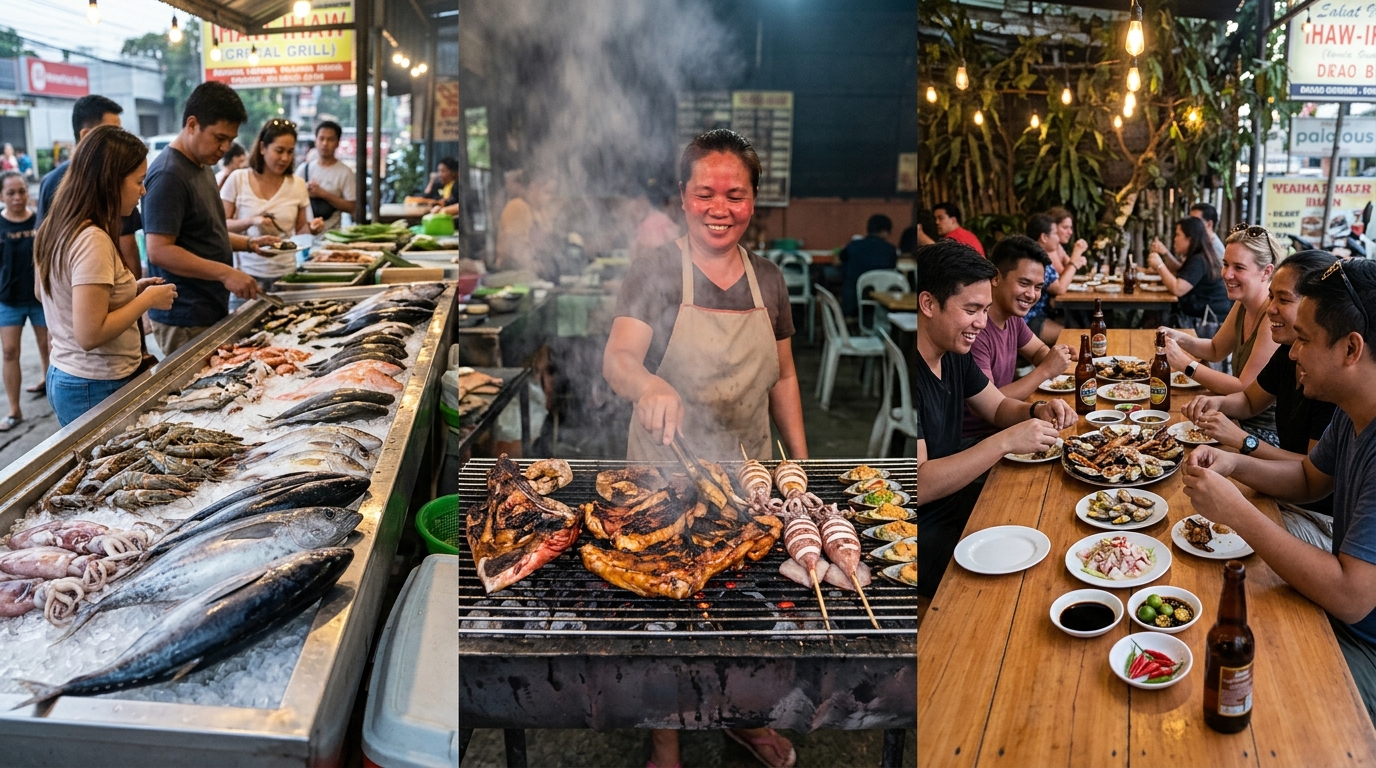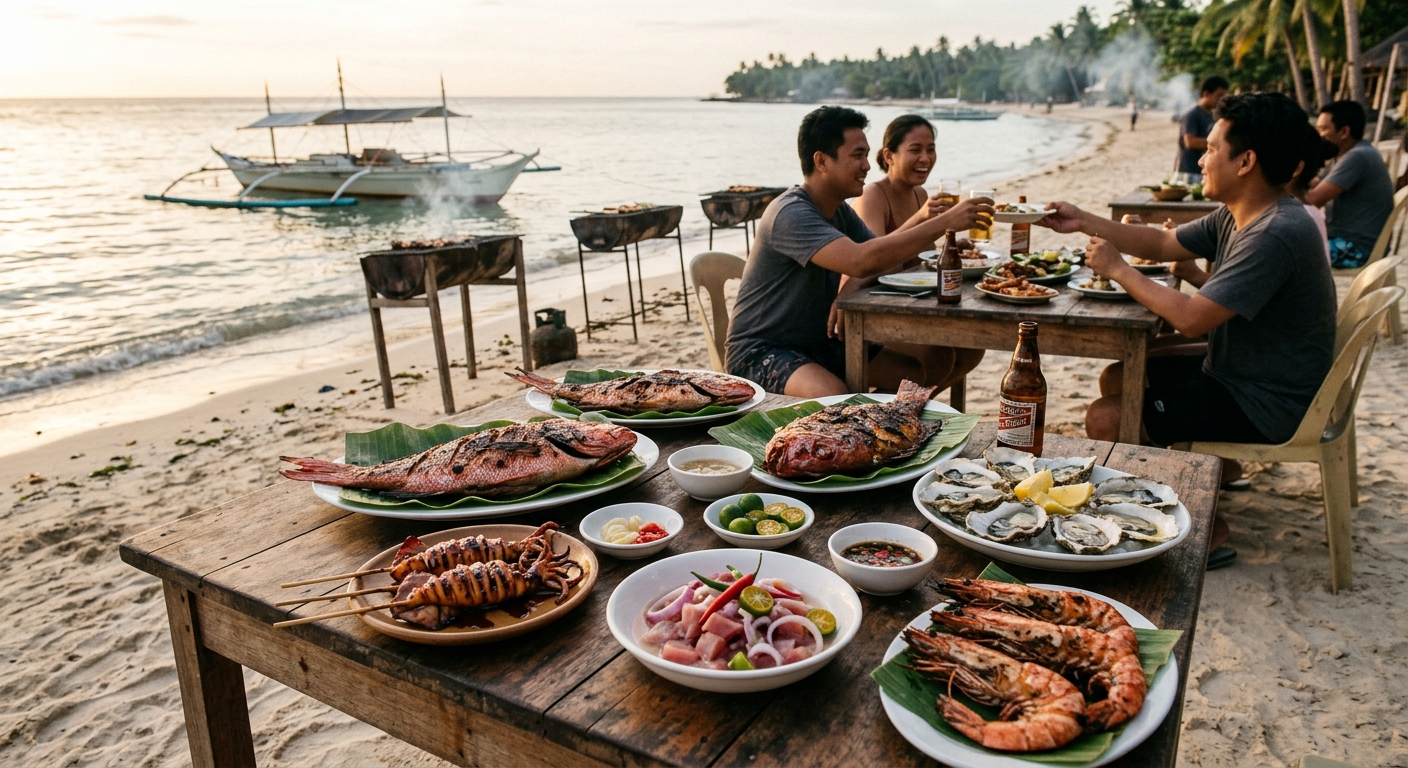
Bohol — When it comes to island living, few things compare to the thrill of enjoying a feast pulled directly from the crystal-clear waters surrounding Panglao, Bohol. As one of the Philippines' premier tourist destinations, this island has perfected the art of the fresh seafood experience, offering everything from rustic beachfront grills to refined, catch-of-the-day dining. Whether you are a fan of buttery grilled squid, fresh-shucked oysters, or the iconic Sutukil preparation, Panglao’s dining scene is a testament to the bounty of the Bohol Sea and the mastery of local culinary traditions.
The Bounty of the Bohol Sea
The quality of seafood in Panglao is fundamentally driven by its geography, situated at the heart of the Bohol Sea, a region renowned for its rich marine biodiversity. Local fishermen bring in a daily haul that includes everything from snapper, grouper, and lapu-lapu to prized shellfish like scallops, abalone, and giant prawns. Unlike city-based restaurants that rely on long supply chains, Panglao’s eateries—particularly those lining the shores of Alona Beach and the nearby town proper—emphasize the "sea-to-table" ethos. This proximity ensures that the natural sweetness and firm texture of the fish are preserved, requiring only simple seasoning and a hot grill to produce an undeniably world-class meal.
Anatomy of the Perfect Island Feast
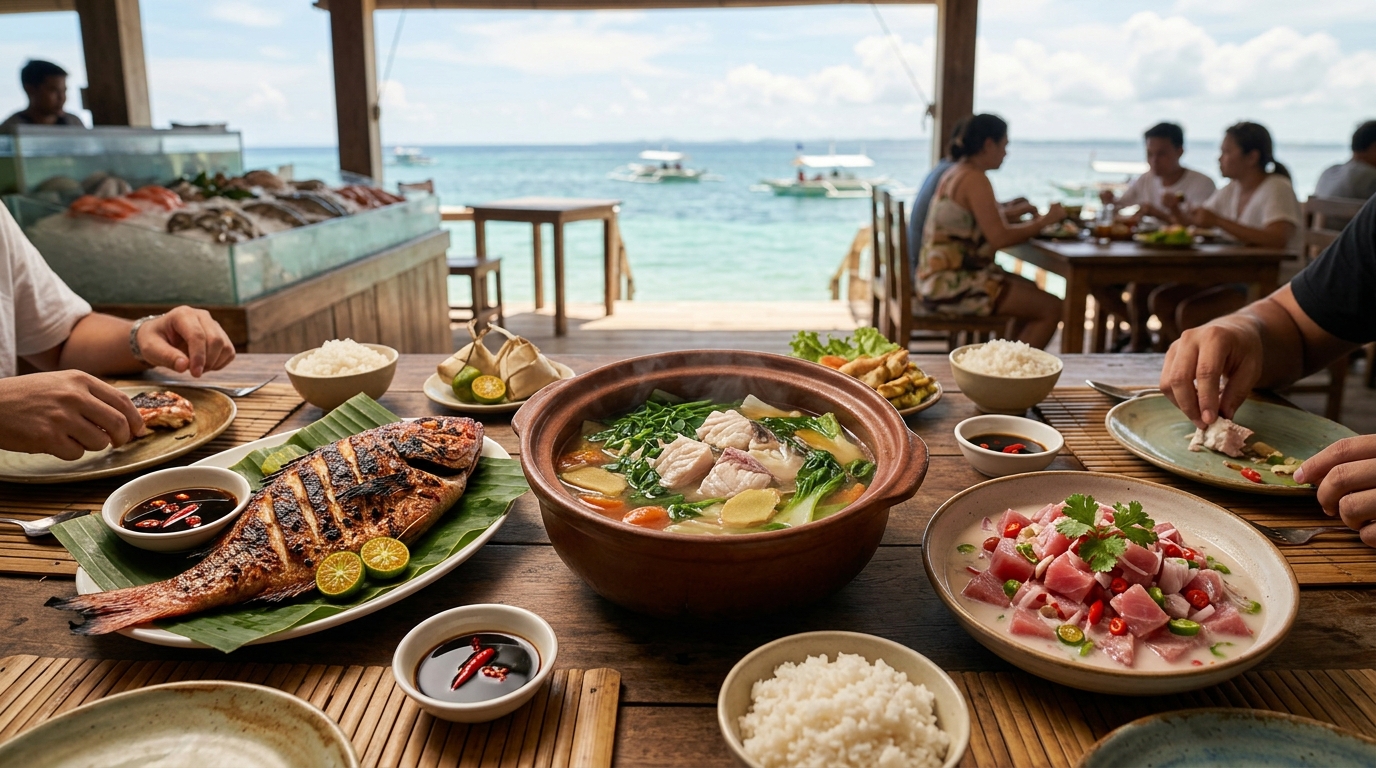
A truly authentic Panglao seafood experience often involves the Sutukil trifecta—Sugba (grilled), Tuwa (stewed), and Kilaw (raw/cured). Visitors can head to the local markets or seafood-centric restaurants where they can pick their own catch from live tanks or ice beds, deciding exactly how they want it prepared. For a more casual vibe, the beachfront stalls offer skewers of grilled squid glazed in savory sauces, often paired with puso (hanging rice) and a cold local beer, creating the quintessential tropical lunch. By supporting these local dining spots, travelers not only enjoy the freshest meals of their lives but also help sustain the small-scale fishing communities that have been the lifeblood of Panglao for generations.