General Santos City is currently shedding its traditional industrial skin to embrace a high-tech, community-centric urban model that is catching the attention of national planners. The city hosted a high-profile presidential visit where significant financial infusions were unlocked, including a ₱109-million funding boost for the Dr. Jorge P. Royeca Hospital. This fiscal momentum is running parallel to the groundbreaking "Palengke Heneral" project—a ₱2.33-billion public-private partnership that will replace the aging central market with a three-story, solar-powered commercial complex. For the 2026 traveler, these developments signal a shift from a gritty fishing port to a sophisticated "Smart City" hub where sustainable infrastructure and public welfare are woven into the very fabric of the streets.
A Solar-Powered Heart for the Local Economy
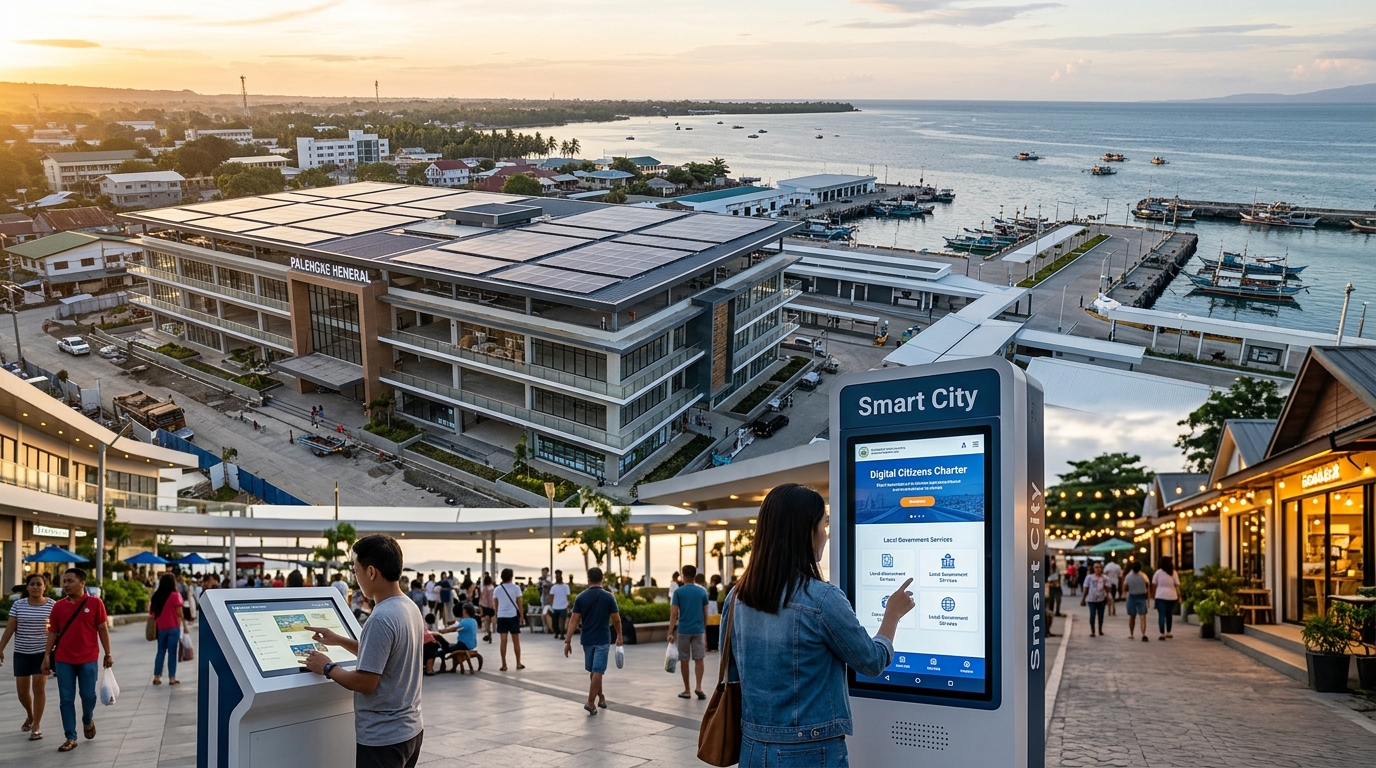
The planned transformation of the General Santos City Central Public Market represents a massive leap forward in how the city manages its daily trade and foot traffic. Spanning over 23,000 square meters, the new "Palengke Heneral" is designed as a climate-resilient facility featuring dedicated zoning for wet and dry goods, advanced sanitation systems, and a complete CCTV safety net. The integration of a massive solar rooftop array aligns with the city's 2026 goal to lower its carbon footprint while reducing the operational costs for thousands of local vendors. Residents are particularly eager for the third-level mall component, which will feature an al fresco dining area offering panoramic views of the Sarangani Bay coastline.
Prioritizing the Health of the Workforce
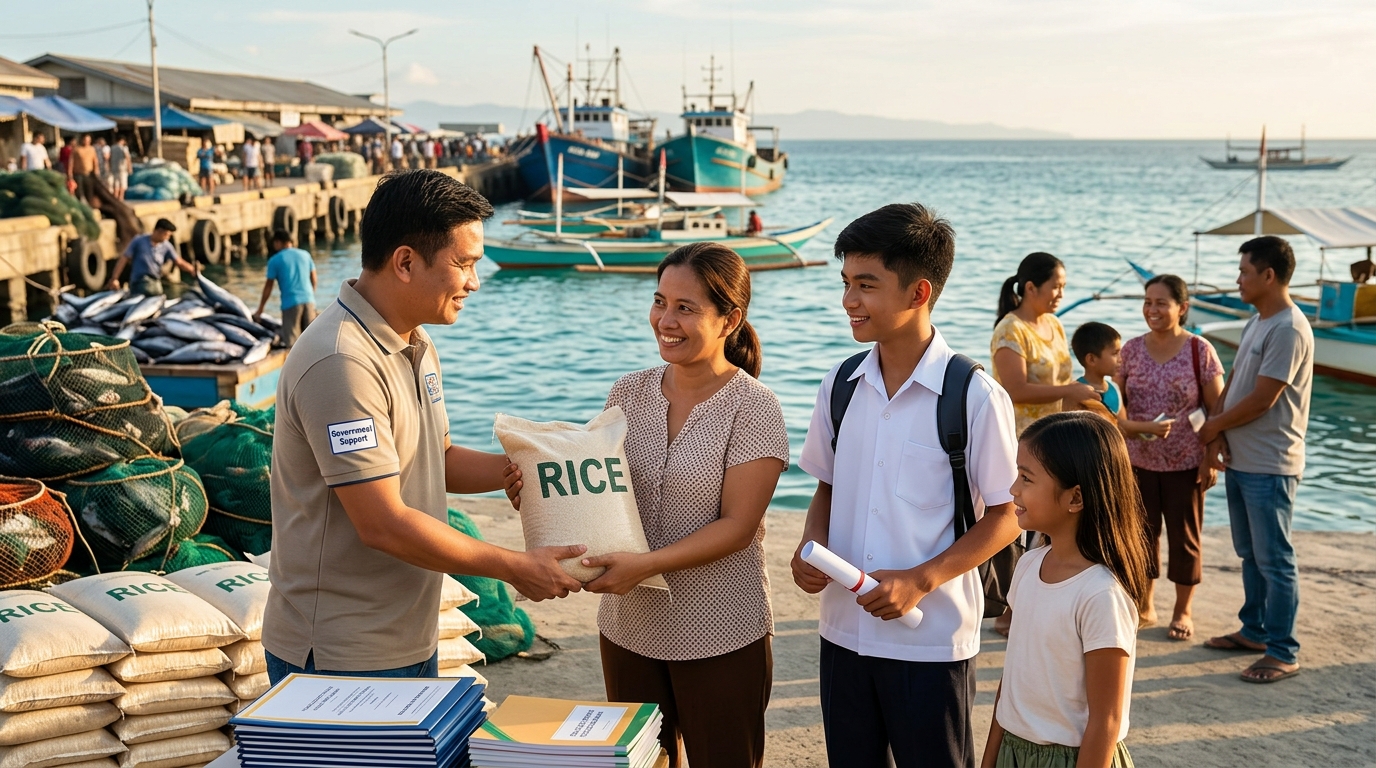
Parallel to the physical building boom, the city is aggressively upgrading its social safety net to ensure the prosperity of its residents matches its architectural ambitions. The ₱109-million allocation for the Royeca Hospital announced this May is specifically targeted at expanding diagnostic capabilities and intensive care beds to better serve the growing population. Furthermore, the newly launched "Bawat Bayan Makikinabang" program is distributing direct financial aid to scholars and barangays, ensuring that the city's economic growth reaches the grassroots level. This holistic approach to development proves that the city's leadership is focusing on "human infrastructure" just as much as concrete and steel.
The Digital Shift in Neighborhood Governance
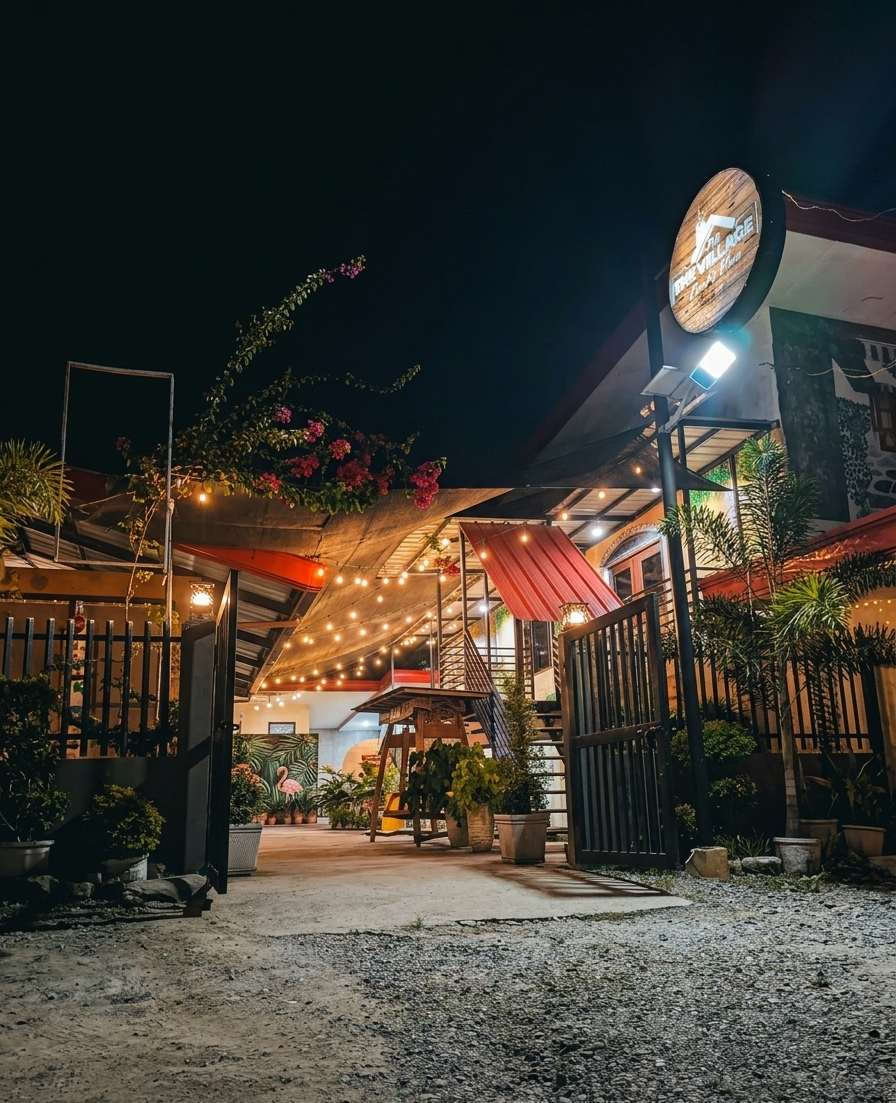
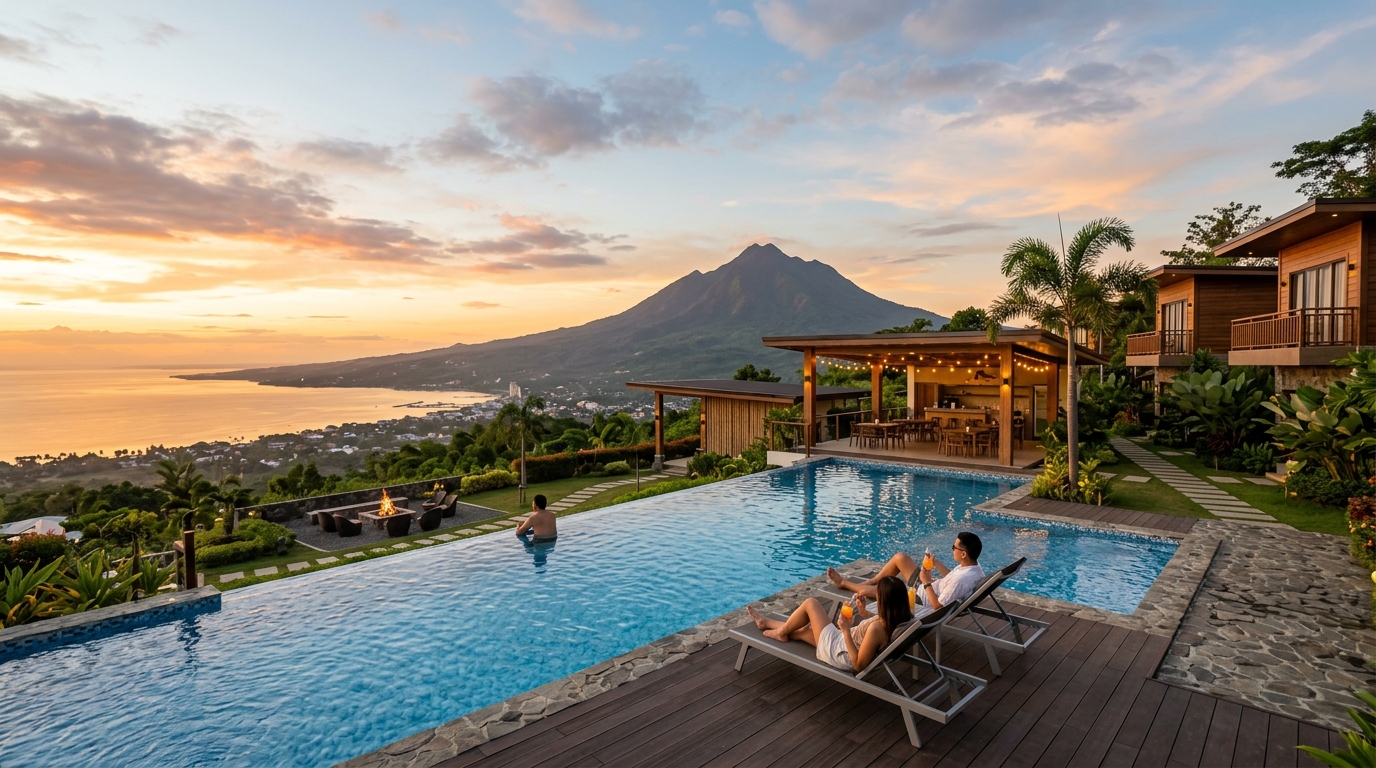
Perhaps the most subtle but impactful change this May is the institutionalization of the Digital Citizens Charter through Executive Order No. 06-2026. This policy has successfully migrated most barangay-level transactions to a transparent online portal, allowing residents to apply for permits and track government services from their mobile devices. By removing the bureaucratic friction that often slows down local commerce, the city has created a fertile environment for the new "lifestyle cafes" and artisanal boutiques popping up along the coastal road. As General Santos moves into the second week of May, it stands as a testament to how a provincial powerhouse can modernize without losing its gritty, hardworking soul.