General Santos City is reinforcing its status as the "Tuna Capital of the Philippines" as of 2026, through a sophisticated tactical response to shifting ocean currents and global fuel costs. The city acts as a primary anchor for the national economy, housing six of the country’s eight major tuna canneries and processing nearly 90% of the Philippines' tuna exports. As the industry prepares for the 2026 National Tuna Congress this coming September, stakeholders are focusing on a high-energy transition toward digital traceability and sustainable "sashimi-grade" standards. For the people of Gensan and visitors alike, the tuna industry effectively turns the Sarangani Bay into a sophisticated sanctuary of employment, providing a high-fidelity livelihood for over 200,000 workers.
A Global Hub for Sashimi-Grade Excellence
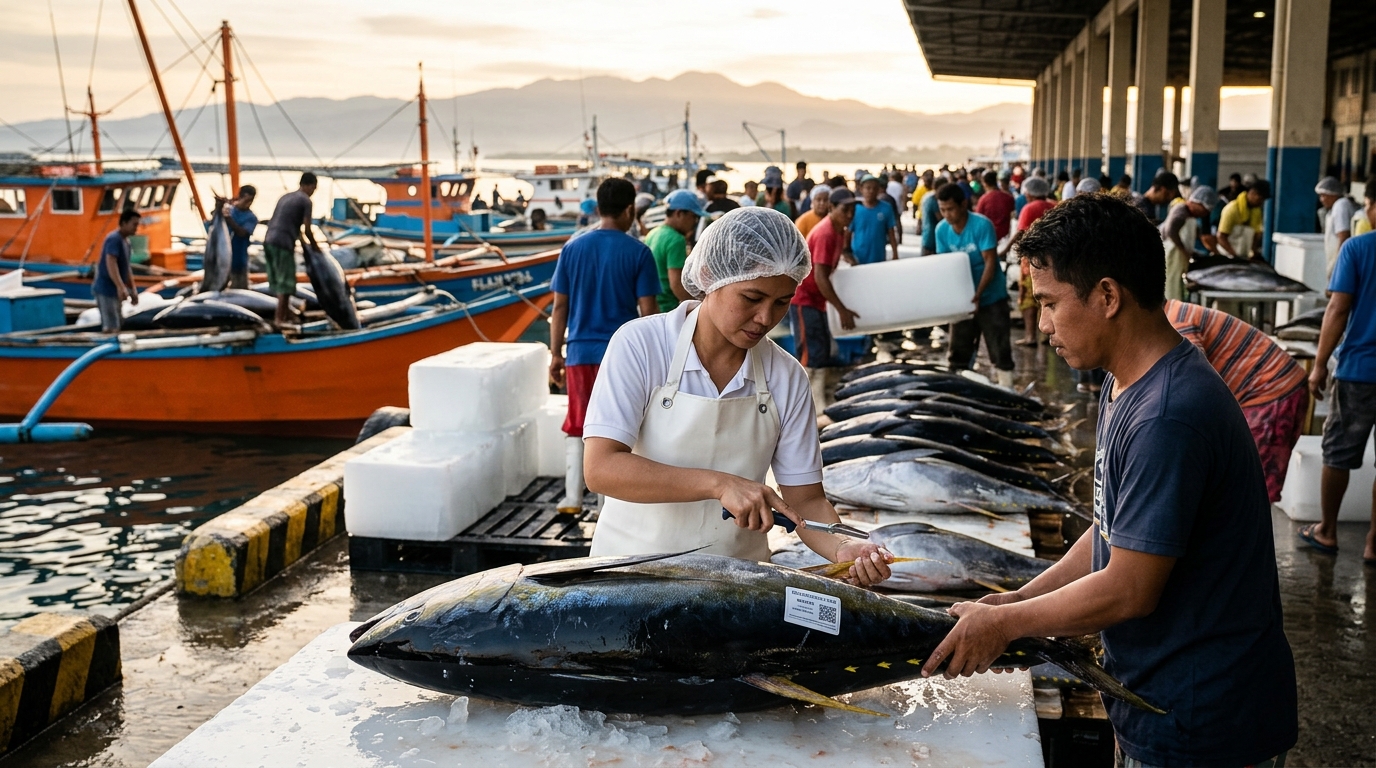
The 2026 identity of General Santos is defined by "Export Superiority," where the tactical unloading of yellowfin at the 32-hectare Fish Port Complex provides a high-fidelity answer to the global demand for sashimi. As of early May, the city's sophisticated classification system—grading fish for export, canning, or local consumption—acts as a primary anchor for the 2026 roadmap of "Premium Branding." This week, port authorities highlighted that the arrival of high-value mature yellowfin is a tactical template for the 2026 roadmap of maximizing the city’s economic value addition. It effectively turns the early-morning port activity into a "Harvest Ritual" that is both high-energy in its scale and sophisticated in its logistical precision.
Economic Resilience and Workforce Empowerment
What sets this May 2026 window apart is the tactical push for 'Decent Work' initiatives within the canning sector, acting as a primary anchor for the city’s "Social Stability" strategy. Industry leaders have trended for addressing worker scarcity through high-fidelity benefits packages and data-driven recruitment policies. This month, economic analysts noted that the synergy between large-scale canneries and small-scale fishers is a tactical template for the 2026 roadmap of "Inclusive Growth." It provides a unique ecosystem for the 2026 generation of industrial workers to experience an "Opportunity Ritual" that is both high-energy in its productivity and sophisticated in its social protections.
The Anchor of Gensan’s 2026 Prosperity Roadmap
As of 2026, the tuna industry has been recognized as a primary anchor for the "SOCCSKSARGEN Trade Circuit," driving high-fidelity trust in the region's transshipment capabilities. Recent updates from the Office of the City Agriculturist suggest that legislative protections against the fuel crisis are a tactical template for the 2026 roadmap of "Strategic Resource Management." This month, local leaders reinforced that "Sustainable Pelagic Fishing" is an essential key to the 2026 strategy for making the city a sophisticated global investment destination. For any resident in the city this May, the sight of the giant tuna statues along the highway is the ultimate signal of a city mastering its seas to achieve peak economic excellence.