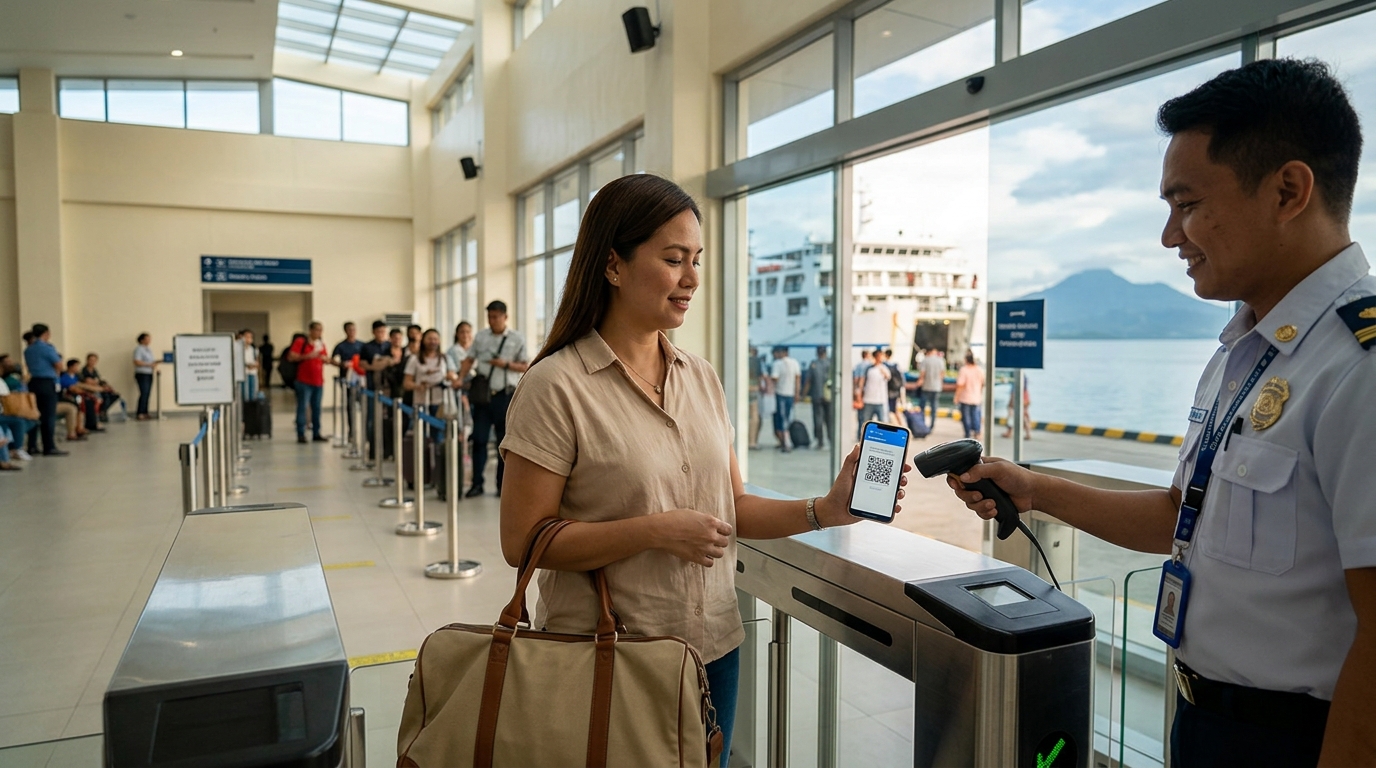
Maritime travel in General Santos City has officially entered the digital age this May with the successful full-scale rollout of the Online Reservation Assistance System (ORAS). Following a successful pilot phase, the Philippine Ports Authority (PPA) has mandated the use of QR-code-based bookings for all major vessels departing from the city. This move has effectively eliminated the "unpredictable queue" that once characterized the passenger terminal, allowing travelers to secure their slots from their smartphones. It is a tactical shift that prioritizes traveler comfort and operational efficiency, making GenSan the primary model for port modernization in the Philippines.
Ending the Queue Culture
The implementation of the ORAS system is a direct response to the massive foot traffic seen during the peak summer travel months in the south. By moving the reservation process online, the port has reduced physical terminal crowding by an estimated 40% in the first week of May alone. Passengers now receive a digital "boarding pass" that is scanned at the gate, streamlining the entry process and reducing the workload on terminal staff. This "frictionless" travel experience is a significant win for the city's tourism sector, making maritime travel a more attractive option for modern commuters.
A Multi-Modal Connectivity Strategy
This digital upgrade at the port is being synchronized with the city’s broader transport modernization plan, which includes GPS-tracked public utility vehicles. Travelers can now coordinate their arrival at the pier with the real-time location of city buses and shuttles, creating a seamless "Door-to-Deck" journey. This level of inter-modal connectivity was previously only seen in major international hubs, but GenSan is proving that regional cities can lead the way in tech adoption. The PPA has highlighted that this system also provides critical data for disaster preparedness, as the exact number of people at the terminal is known at all times.
Setting a National Standard for Efficiency
The success of the GenSan rollout has prompted the PPA to accelerate similar digital transformations in other key ports across Mindanao and the Visayas. By demonstrating that even a high-volume industrial port can transition to digital-first operations, GenSan has become the "Tactical Template" for the entire agency. Local officials are already looking at expanding the system to include cargo tracking for the city’s tuna exports, further cementing the city’s "Smart City" status. For the 2026 traveler, the "Digital Pier" is no longer a future concept but a daily reality.