General Santos City is orchestrating a sophisticated pivot in its tourism narrative, moving from a singular focus on its industrial fishing prowess toward a diverse, culture-rich gastronomic identity. Supported by national grants and urban redevelopment projects, the city is positioning itself as a rival to established culinary hubs like Iloilo.
Documentation of Indigenous and Moro Flavors
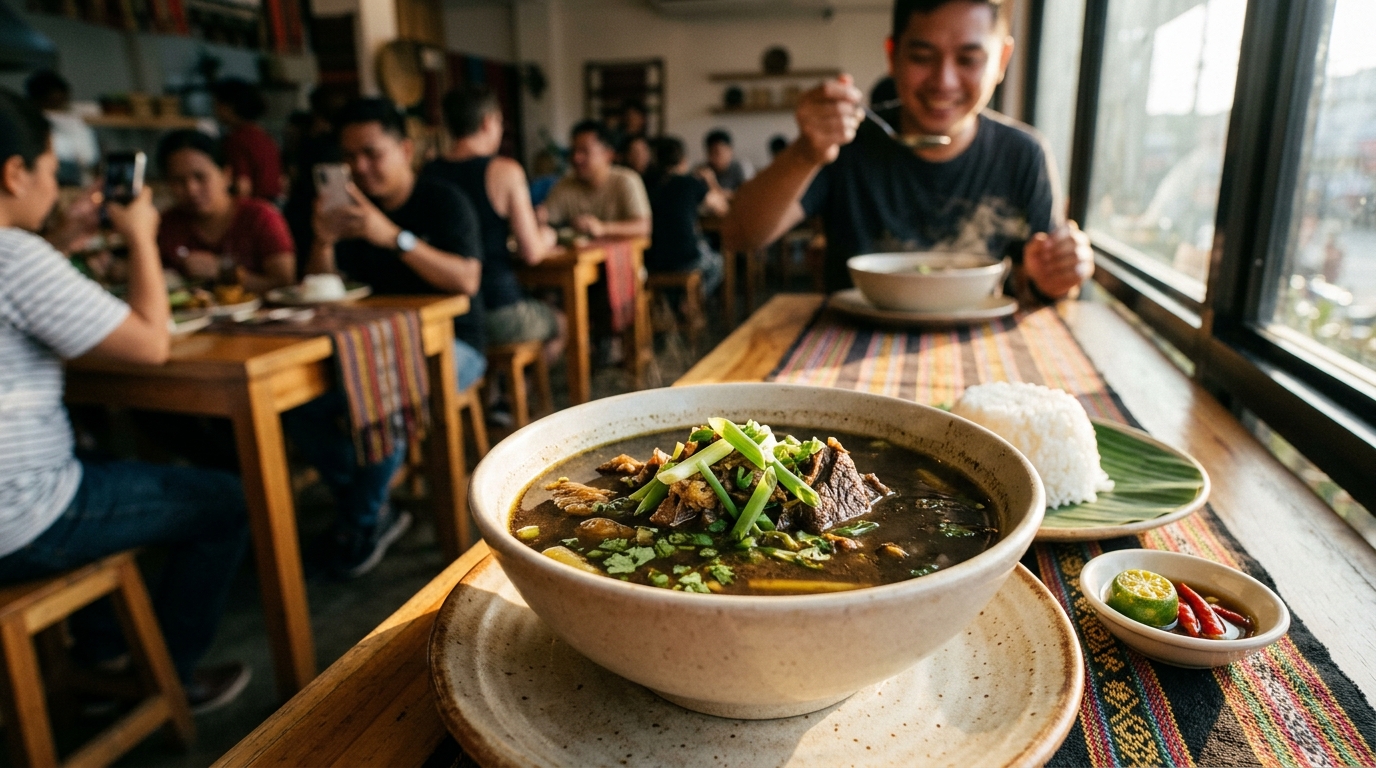
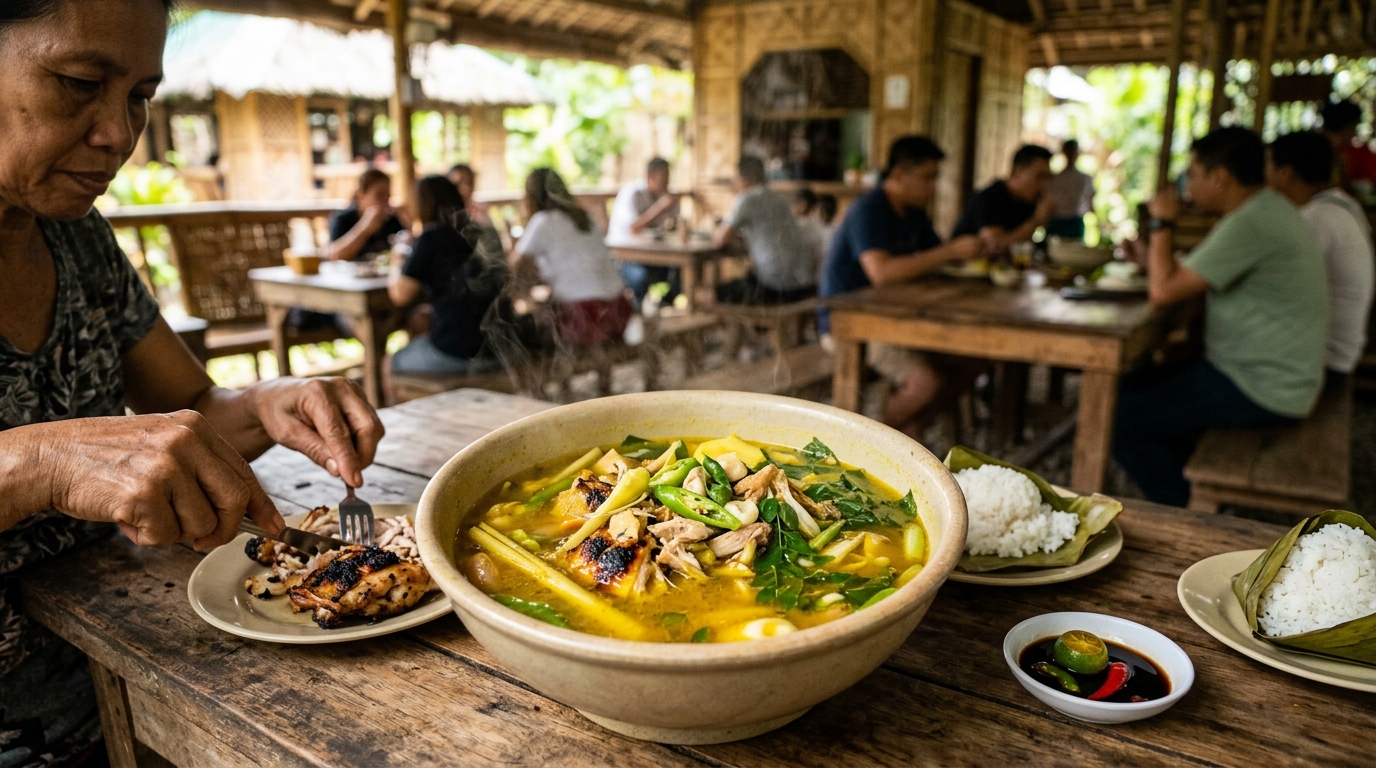
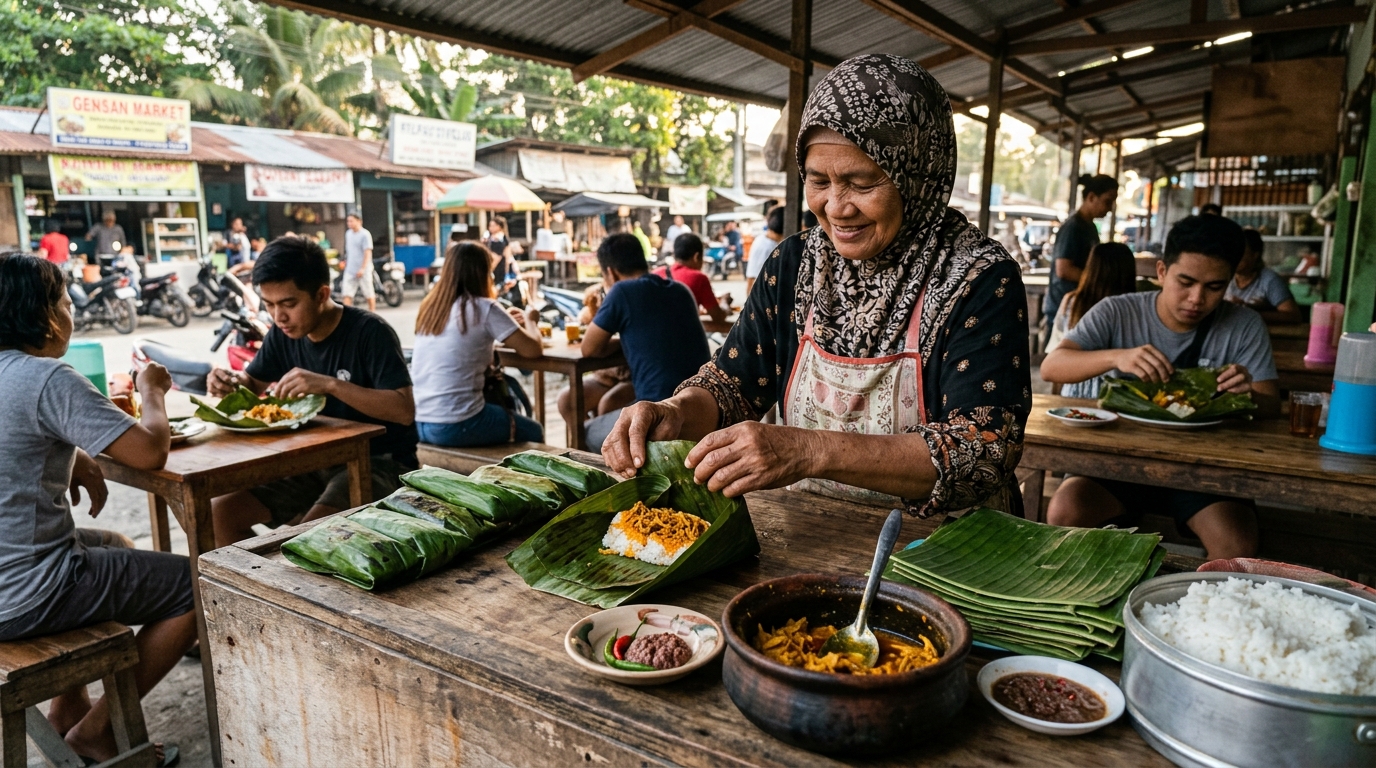
Central to the new food tourism strategy is the documentation and promotion of the city’s diverse ethnic culinary traditions. Tourism officer Eliodoro Alcaya Jr. has highlighted that the city is looking beyond tuna to include historical Blaan and Moro dishes, such as the "Tiyula Itum," a Tausug black soup known for its deep, savory profile. This effort is designed to offer visitors an immersive travel experience that explores the region’s customs and culinary legacy, thereby strengthening the bond between the people and their food. The DTI grant supports research into these ancestral recipes, ensuring they are preserved and featured in the city’s evolving restaurant scene.
The Queen Tuna Park Redevelopment
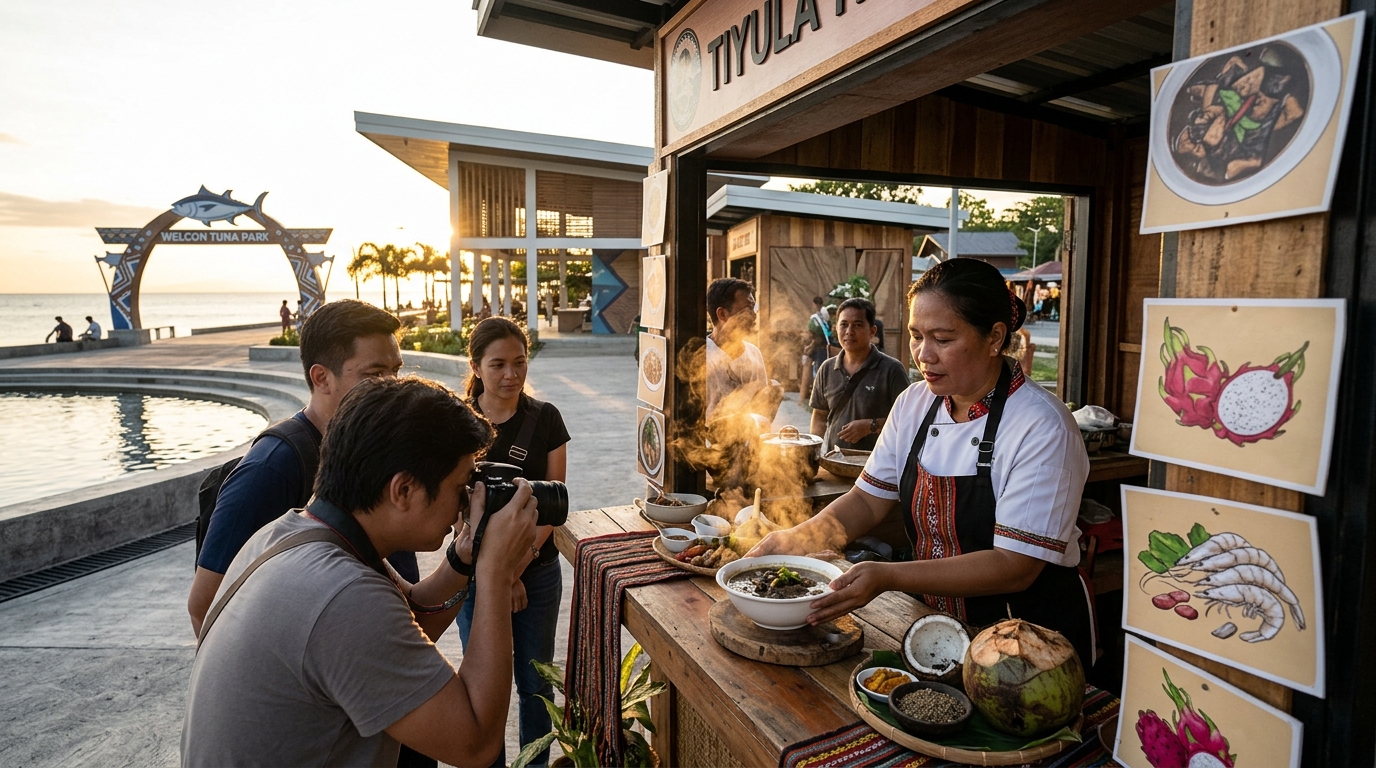
Complementing the gastronomic push is the "bold reimagining" of Queen Tuna Park, the city’s only public beachfront, spearheaded by Lead Architect Estefany Marie S. Balolot. The redevelopment serves as both an ecological intervention and a cultural revival, prioritizing sustainable, walkable, and disaster-resilient design. Key features of the new masterplan include a water-integrated amphitheater for cultural performances, a dedicated "Welcome Arch" and signage zone featuring tuna iconography, and climate-responsive buffer zones designed to manage projected sea-level rises. This park functions as the "living interface" between the sea and the city, providing a counterbalance to rapid commercial development.
Economic Diversification and Agritourism
The city is also identifying new agricultural zones in areas like Tambler and Fatima to serve as future agritourism sites. Beyond its status as the "Tuna Capital," GenSan is now recognized as a top producer of white shrimp (vannamei) and is home to emerging fruit farms specializing in grapes and dragon fruit. These developments are expected to generate jobs and stimulate economic growth, as tourism continues to play a significant role in the city’s post-pandemic recovery. By partnering with the Gensan Food and Beverage Association (GEFBA), the local government is creating a cohesive ecosystem where local restaurants and agritourism sites support one another.