A Historic Landmark of Faith and Tradition
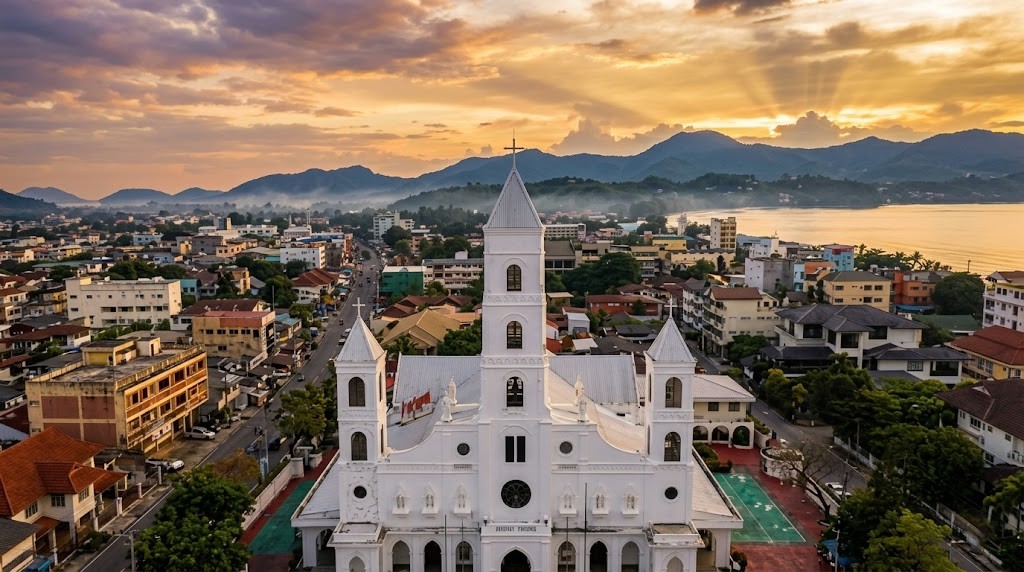
Located in downtown Tacloban City, the Archdiocesan Shrine of Santo Niño has been a significant place of worship and devotion for generations. Originally established as a parish church in the Spanish colonial period, the church traces its roots to the Augustinians in 1770 and later became closely associated with the devotion to Señor Santo Niño de Tacloban. The shrine remains an important symbol of faith and heritage for many Taclobanons and visitors.
A Symbol of Devotion and Resilience
The shrine is home to the revered image of Santo Niño de Tacloban, also known as “El Capitan,” which holds deep religious significance in the community. The church has endured major challenges throughout history, including severe damage caused by Typhoon Haiyan (Yolanda) in 2013, before restoration efforts helped preserve its role as a place of worship. Its elevation to an archdiocesan shrine in 2021 further recognized its importance in the religious life of Eastern Visayas.
A Cultural Destination in Eastern Visayas
Beyond its religious importance, the Archdiocesan Shrine of Santo Niño has become part of Tacloban’s cultural tourism experience. Visitors appreciate its historic architecture, spiritual atmosphere, and connection to local celebrations, including the annual Santo Niño festivities held every June 30. The shrine continues to represent the enduring faith, history, and identity of the people of Tacloban and Leyte.