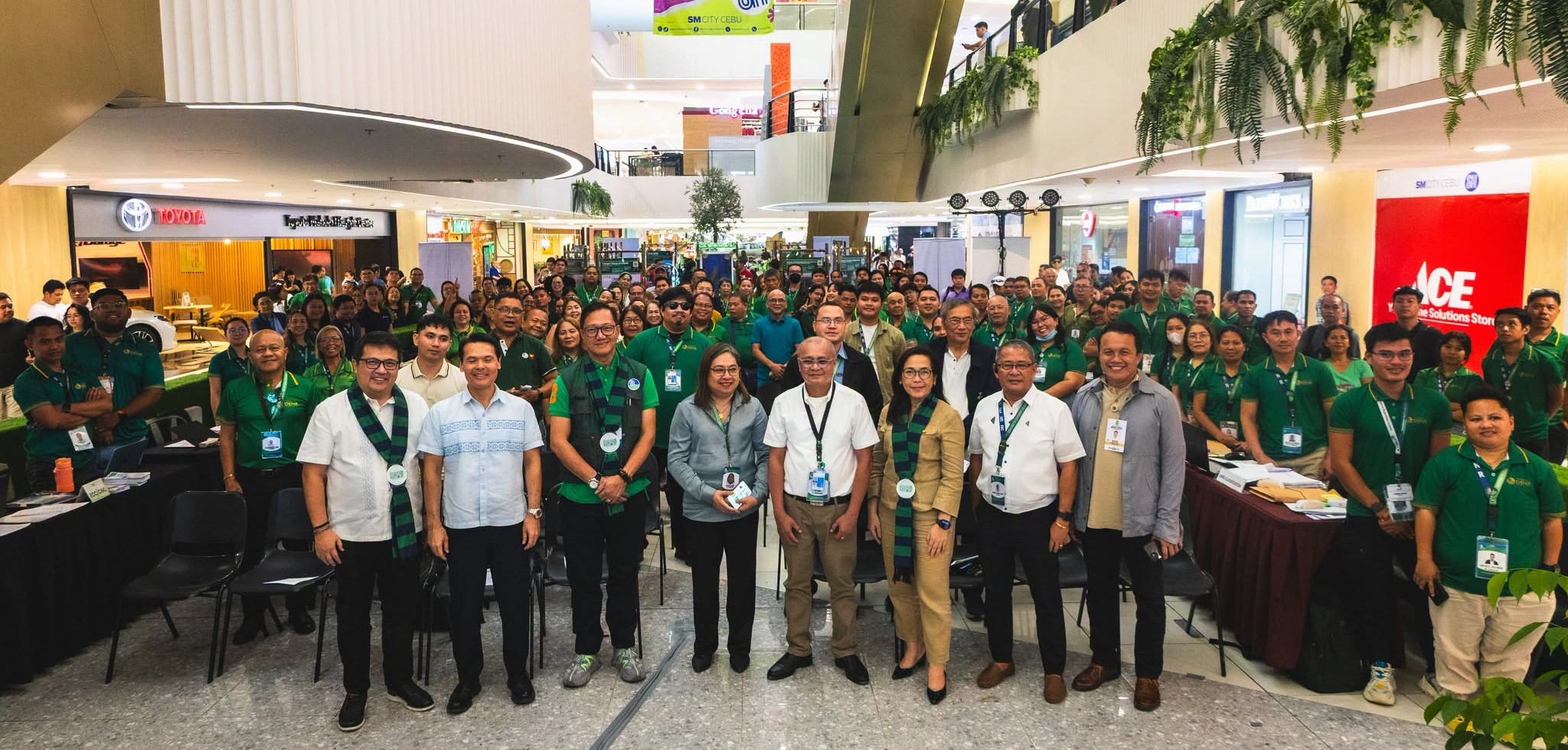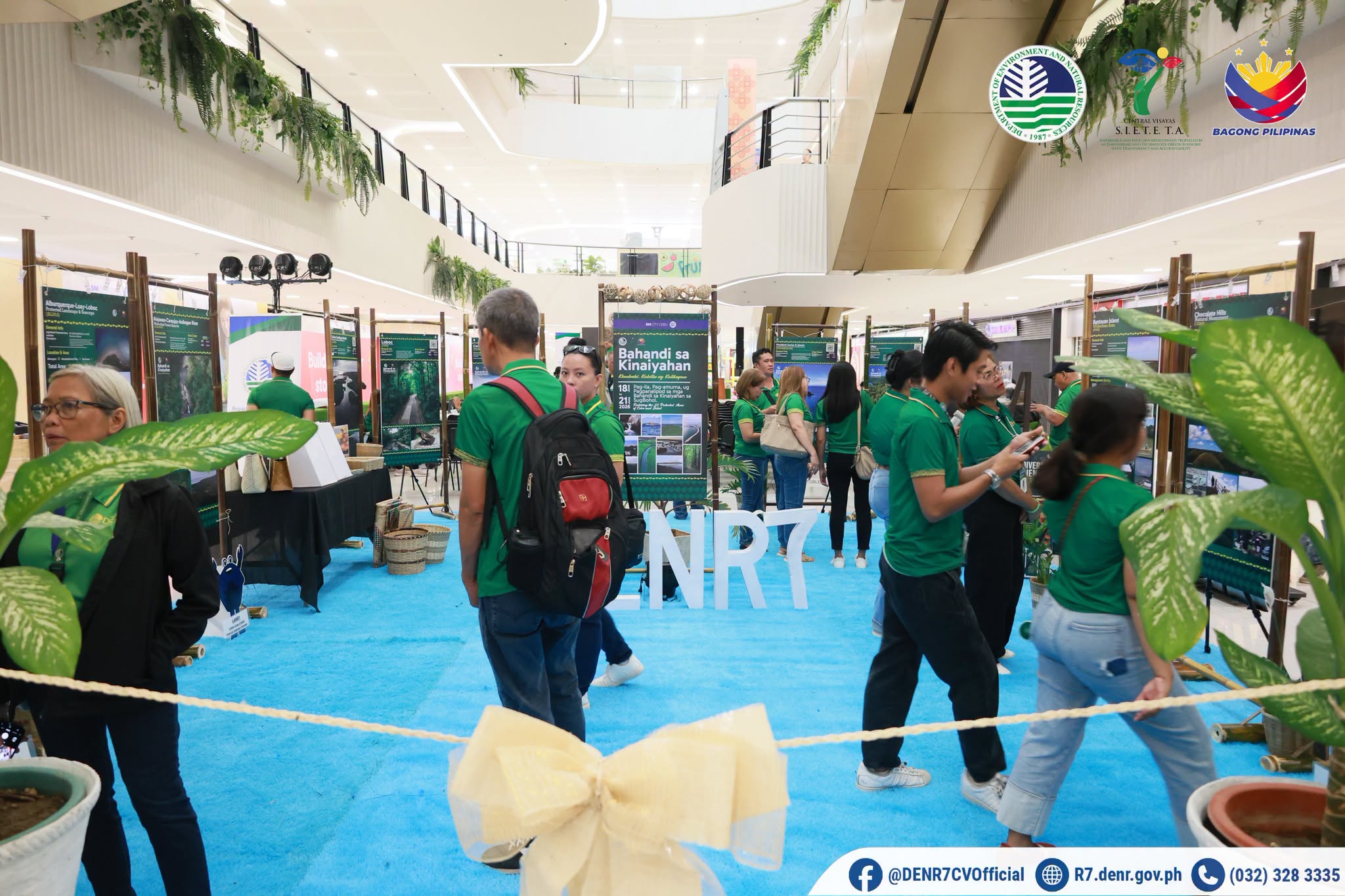
Bohol — The Department of Environment and Natural Resources Region 7 has thrust Bohol’s 16 protected areas into the tourism limelight with the launch of “Bahandi sa Kinaiyahan: Kinabuhi, Kabilin, ug Kalikupan” at SM City Cebu on June 18, 2026. The four-day exhibit runs until June 21, placing the island province’s ecological jewels on full display.
A Showcase of Bohol’s Natural Crown Jewels
Bohol’s protected area network spans landscapes and seascapes that define its global reputation. The exhibit spotlights these treasures through immersive visuals, ecological data, and stories of conservation success. Visitors can explore the unique biodiversity of the Chocolate Hills Natural Monument, the Philippine Tarsier Sanctuary, and lesser‑known but equally critical marine and forest reserves.
The gallery‑style presentation turns complex environmental science into an accessible journey. Each panel explains why a site earned protected status and how it benefits both wildlife and nearby communities. For tourism stakeholders, the exhibit reinforces the message that these sanctuaries are not just scenic backdrops but living assets that require active stewardship.
Chocolate Hills and Tarsier Sanctuary as Ecotourism Icons
The Chocolate Hills Natural Monument, one of Bohol’s most photographed landscapes, anchors the exhibit’s tourism narrative. Its iconic conical mounds draw hundreds of thousands of visitors yearly, making it a pillar of the provincial economy. The display highlights ongoing efforts to balance visitor access with geological preservation.
Equally compelling is the Philippine Tarsier Sanctuary, home to one of the world’s smallest primates. The exhibit underscores the fragile habitat that sustains these nocturnal creatures and the responsible tourism guidelines that protect them. By linking conservation to visitor experience, DENR-7 encourages tourists to become guardians rather than mere spectators.
Ecotourism as a Driver of Conservation
Bohol’s protected areas are not locked away; they are accessible destinations that generate livelihood for local guides, transport operators, and community enterprises. The exhibit makes clear that sustainable tourism can finance habitat restoration and anti‑poaching patrols. Every entrance fee and guided tour contributes to the long‑term viability of these sites.
DENR-7 Conservation and Development Division Chief Reginaldo Bueno noted that many Filipinos remain unaware of what protected areas truly mean. The exhibit fills that gap by detailing how regulations keep ecosystems intact while permitting eco‑friendly visitor activities. This knowledge empowers both residents and tourists to advocate for continued protection.
A Broader Commitment to Environmental Stewardship
Regional Executive Director Laudemir S. Salac described the exhibit as an invitation for every Filipino to share the responsibility of conservation. He stressed that biodiversity is not an abstract concept but the foundation of life, culture, and sustainable communities. Bohol’s protected areas exemplify how nature and development can coexist when policies are respected.
The exhibit forms part of Philippine Environment Month 2026, a nationwide celebration that pushes environmental awareness to the forefront. For Bohol, being a UNESCO Global Geopark adds another layer of pride and responsibility. The global designation harmonizes with the DENR’s mission to preserve the island’s geological and biological heritage.
Connecting People to Nature Through Education
Alongside the visual displays, the DENR Express on Wheels mobile service brings permitting and consultation services directly to the public. Until June 19, visitors can process land, forestry, and wildlife permits, making environmental compliance more accessible. This practical service complements the educational aim of the exhibit.
By inviting schools, families, and tourists to engage with Bohol’s protected areas, the exhibit plants seeds of environmental consciousness. As guests walk through the gallery, they are not merely admiring photographs; they are being enlisted as partners in the ongoing story of the island’s natural treasures. The hope is that this awareness translates into tangible support for conservation long after the exhibit closes.