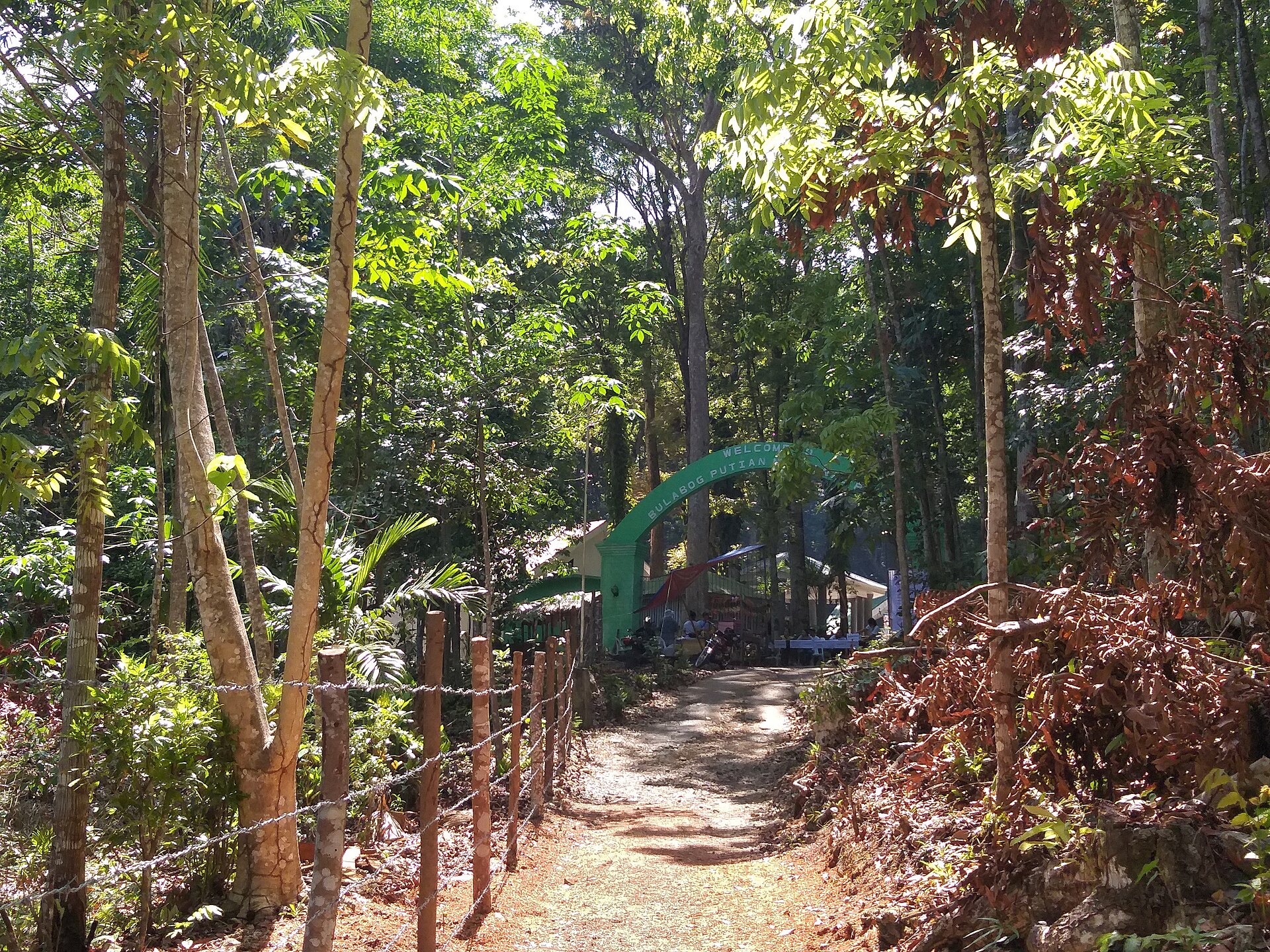
DINGLE, ILOILO — About 43 kilometres north of Iloilo City, the pancake-flat sugarcane fields begin to buckle and fold into something geologically improbable: a sudden uprising of grey-white limestone, fissured with caves and draped in second-growth molave forest, rising from the plain like the exposed spine of an ancient seabed. This is Bulabog Putian National Park, the only limestone mountain formation in the province of Iloilo. Proclaimed a national park in 1961, it now encompasses 854.33 hectares straddling the municipalities of Dingle and San Enrique. In March 2026, it was one of 12 new sites formally admitted into the Western Visayas Ecotourism Loop, a certification that validates what the local guides, park rangers, and the resident long-tailed macaque known as Bula have known all along: this is a forest university, a living museum, and a limestone cathedral all at once.
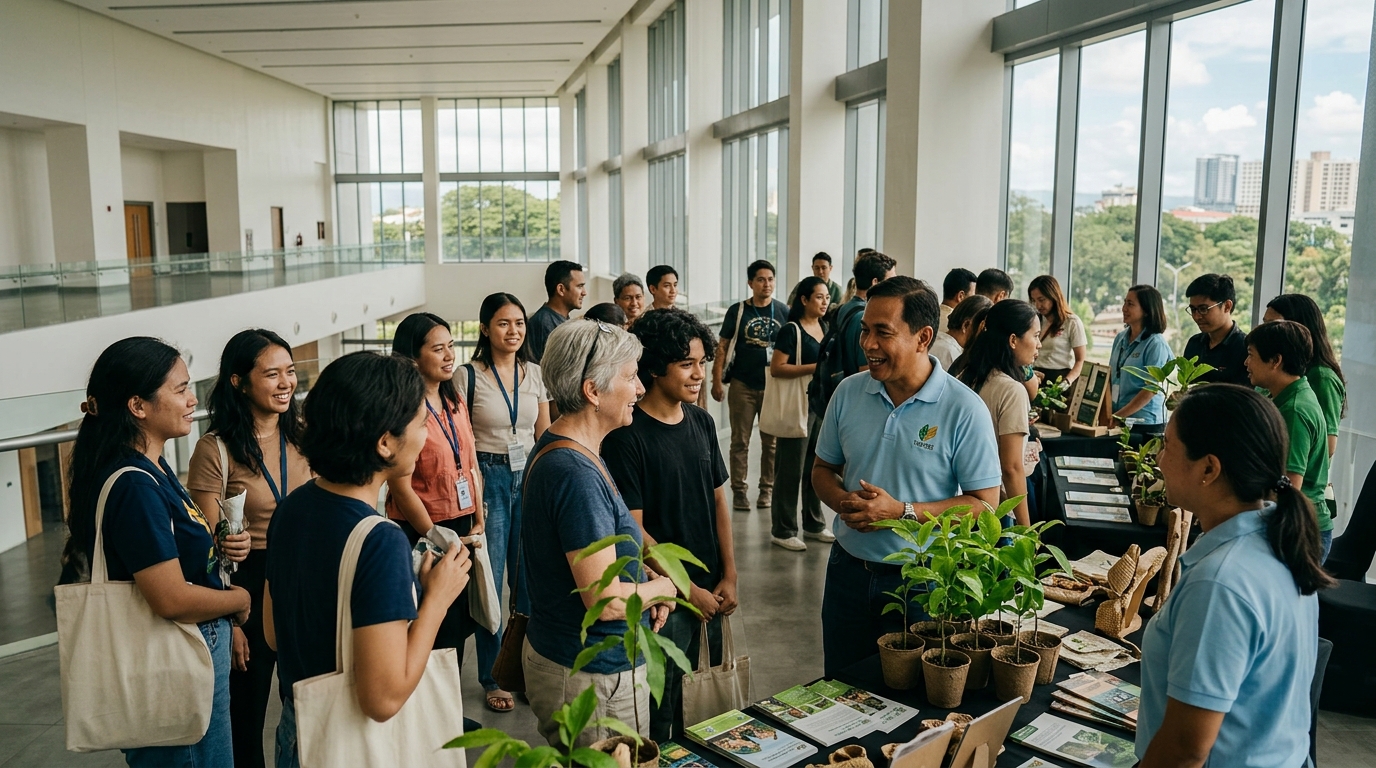
The 2026 certification arrives after a rigorous assessment by the Regional Ecotourism Committee covering ecological sustainability, visitor safety, and community participation. DENR Regional Executive Director Raul L. Lorilla described the goal as moving beyond "pretty sites" toward "a sustainable ecosystem where tourism supports the environment rather than draining it." For Bulabog Putian, that ecosystem is already operational. Park rangers patrol the trails daily. Guides drawn from the surrounding barangays lead tours through the caves. Tree-planting initiatives are ongoing. And at the entrance, visitors are likely to receive an enthusiastic leg hug from Bula, the one-year-old macaque who has become the park's unofficial, unsalaried welcoming committee.
The Cry of Lincud and the Caves That Hid a Revolution
Bulabog Putian's significance is not solely geological. The park's most visited cave, Maestranza, is the site where the Philippine Revolution in Iloilo was ignited in 1898—an event known as the "Cry of Lincud." Inside, two Spanish-language inscriptions still mark the limestone walls. One reads: El que ama verdaderamente a su patria no mira su provecho propio—"He who truly loves his country does not see his own advantage." The other: Los Republicanos Juran Morir Antes Que Entregarse—"The Republicans Swear To Die Before Surrendering." The words, carved by men who used these chambers as hideouts from Spanish, American, and Japanese forces, have outlasted the empires they resisted. General Adriano Hernandez, a native of Dingle, led the uprising, and his legacy is now as embedded in the park's identity as its karst formations.
The cave system is extensive. The park contains 23 known caves, with 13 identified by the Philippine Information Agency as accessible to visitors. Guiso Cave is a habitat of bats and swiftlets, its ceiling alive with the rustle of wings. Tuko Cave, named after the gecko, features unique stalactite formations. But it is Maestranza that draws the largest number of visitors—spelunkers, students, and history buffs who walk its chambers with headlamps and a sense that they are not merely underground but inside a national memory.
A 1,000-Metre Trail, a Century-Old Dao, and the Nautod Wall
The visitor experience begins on a 1,000-linear-metre paved trail that leads from the entrance into the forest. The temperature drops to a comfortable 23 degrees Celsius or lower, and the air fills with the crisp scent of damp earth and foliage. A short distance from the gate stands the Dao tree (Dracontomelon dao), more than a century old, its wide buttress roots spreading across the forest floor like the base of a Gothic column. It has become the park's most photographed feature—a living backdrop for group photos and a reminder that some things in this landscape predate the proclamation, the revolution, and perhaps even the Spanish.
For those who wish to go further, the park offers approximately 40 kilometres of trails threading through reforested woodland and limestone outcrops. The Nautod Wall, a vertical limestone face, has become a popular rock-climbing site. Guides are available at the park office for P200, and two basic open-air cottages can be rented for a suggested donation of P250. Visitors may also pitch their own tents. Drinking water is available on-site, though the park's facilities remain deliberately rustic—a choice that aligns with its ecotourism philosophy of low-impact, community-driven visitation.
A Living Forest University and the Guardians Who Protect It
Bulabog Putian is often called the "living forest university" of Iloilo, a nickname earned by its proximity to major universities and schools in the city and the steady stream of students who visit for field research. The forest is second-growth molave and dipterocarp, a safe haven for Philippine long-tailed macaques, monitor lizards, civet cats, white-collared kingfishers, coucals, Philippine hanging parrots, and a variety of reptiles and insects. The park's ecological role extends beyond its boundaries: the bats that roost in its caves contribute to insect control and pollination across the surrounding agricultural land.
Community-led conservation efforts, supported by the DENR and local government units, focus on protecting the park from illegal logging, limestone extraction, and encroachment. Visitor education is a core component of the park's operations, with the "Ten Commandments of Nature" tablets installed near the trails serving as quiet reminders of the responsibility that comes with entry. The park's inclusion in the Western Visayas Ecotourism Loop places it in a network of certified destinations that prioritise nature-based, community-driven tourism—a regional strategy to diversify the travel portfolio beyond conventional beach destinations toward more immersive, inland experiences.
Entry is priced at P8 for Filipino nationals and P80 for international visitors, with guided tours available for P180. The park is accessible via a two-hour drive from Iloilo City, with a detour through Bangga Badiang in Anilao town while the Monfort Bridge in Dingle, damaged by Typhoon Agaton in 2022, remains under reconstruction. The best months for a visit are December through May, when the dry weather makes the trails passable and the caves safely accessible. Bulabog Putian National Park is, in the end, a place where geology, history, and conservation converge—a limestone cathedral where the revolution once hid, and where ecotourism now walks, guided by those who know its chambers best.