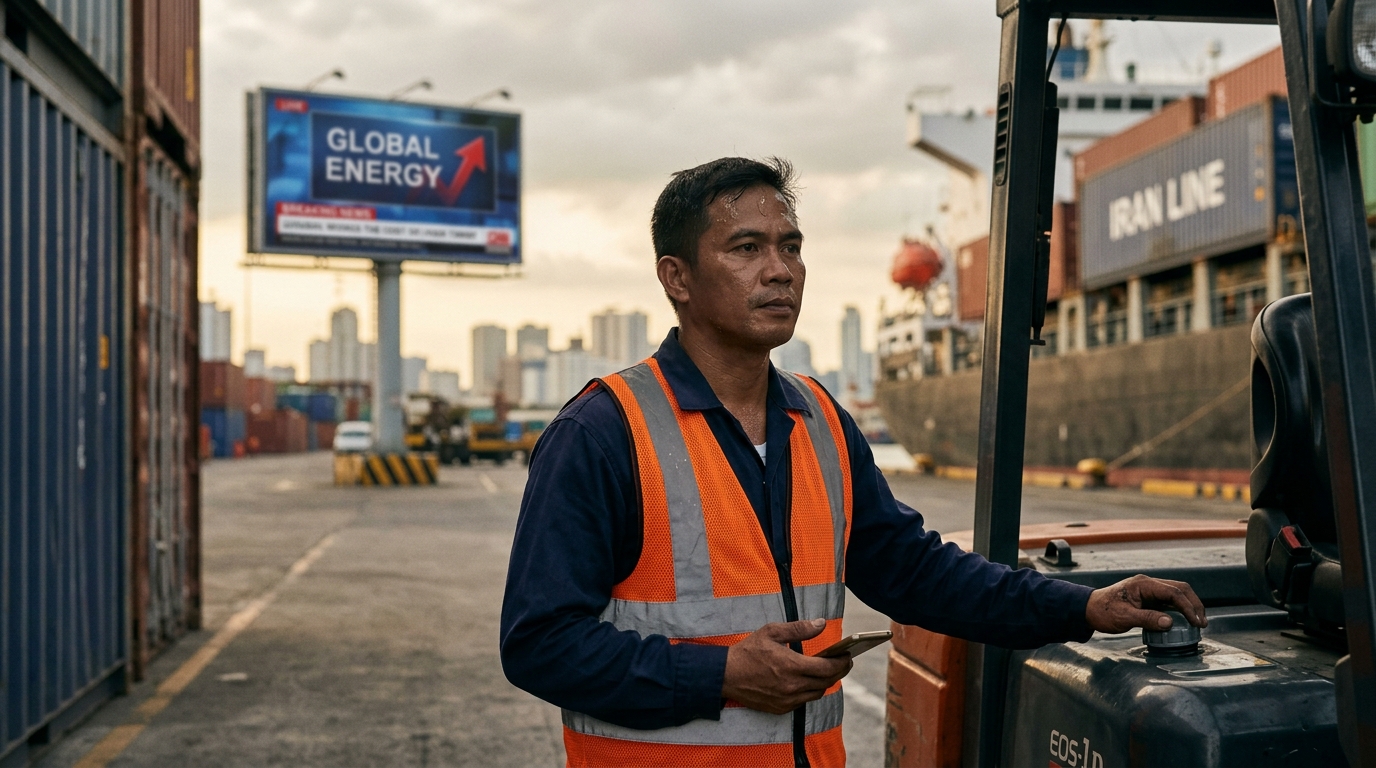
As May Day approaches, workers worldwide are preparing for demonstrations, fueled by growing anxieties over the soaring cost of living. A primary driver of these concerns is the relentless rise in global energy costs, a trend significantly exacerbated by geopolitical tensions surrounding the Iran war. For the millions of Filipinos, both at home and those working as Overseas Filipino Workers (OFWs) across the globe, this confluence of events poses a formidable challenge to their financial stability and future prospects. The ripple effects of elevated energy prices are far-reaching.
Geopolitical Tensions and the Global Energy Price Surge
Higher costs for oil and gas translate directly into increased expenses for transportation, food production, and utilities, impacting household budgets from Manila to major cities in the Middle East, Europe, and North America. Filipino families relying on remittances find their purchasing power diminished, while OFWs in host countries face the dual burden of rising living costs and the pressure to maintain their remittances amidst a tougher economic climate. This global squeeze on worker finances underscores the interconnectedness of international conflicts and everyday economic realities for the Filipino diaspora.
The Remittance Squeeze and Household Economic Pressure
The global surge in energy prices, intensified by the complexities of the Iran war, is not merely an abstract economic indicator; it represents a tangible threat to the livelihoods of countless Filipino households. The Philippines, heavily reliant on imported oil, is particularly vulnerable to these price fluctuations, leading to domestic inflation that erodes the value of wages and remittances. For OFWs, whose contributions are vital to the Philippine economy, the situation in their host countries can mean stagnant wages failing to keep pace with inflation, increased competition for jobs, and a reduction in disposable income available for their families back home. The May Day demonstrations highlight this universal struggle for economic fairness and security in an increasingly volatile global landscape.
Strategies for Financial Resilience and Long-Term Stability
In the face of these escalating global economic pressures, Filipinos and OFWs must prioritize financial resilience and informed decision-making. Staying updated on international energy markets and geopolitical developments is crucial, as these directly influence the cost of living and employment opportunities abroad. For those working overseas, exploring options for more stable employment sectors or seeking avenues for skill enhancement can provide a buffer against economic uncertainties. At home, families should consider budgeting strategies to mitigate the impact of rising domestic prices. Ultimately, advocating for fair labor practices and protective policies for OFWs, alongside supporting initiatives that promote energy independence and economic diversification within the Philippines, remains paramount to safeguarding the collective future of the Filipino people.