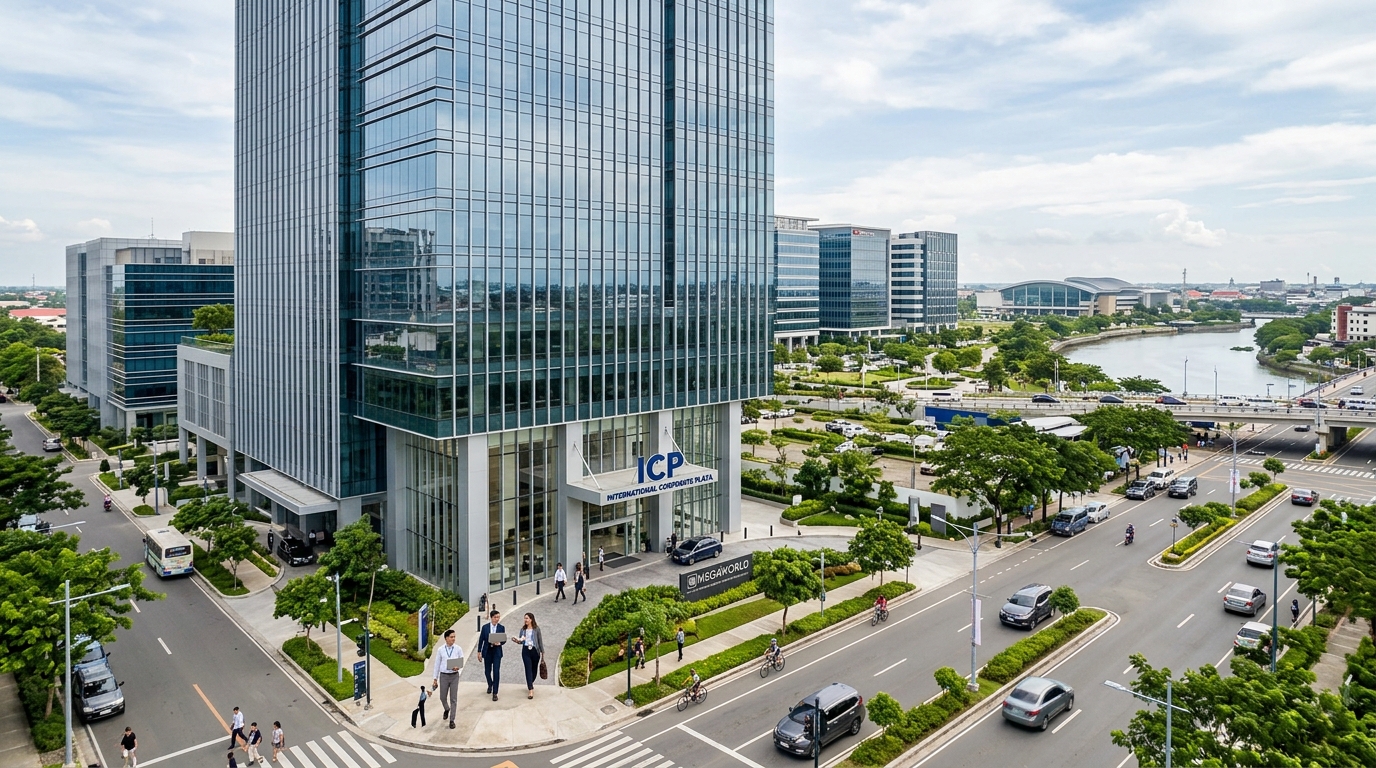

The administration of President Ferdinand "Bongbong" Marcos Jr. has officially released its first comprehensive list detailing foreign ownership limits across various industries within the Philippines. This crucial development, reported by GMA Network, marks a significant step in the government's strategy to clarify investment rules and potentially reshape the nation's economic future.
Clarifying the 2026 Investment Framework
The release of this list is a direct response to the long-standing call for greater transparency and predictability in the country's investment climate. Foreign ownership limits typically define the maximum percentage of equity that foreign entities can hold in businesses operating in specific sectors, ranging from public utilities and media to certain professional services and land ownership. By formalizing these guidelines, the government aims to attract more foreign direct investment (FDI), which is vital for economic expansion and development.
Creating Domestic Opportunities for the Global Filipino
For millions of Filipinos, both residing in the country and working as Overseas Filipino Workers (OFWs) abroad, this policy shift carries substantial weight. Increased FDI can translate directly into more job opportunities, particularly in sectors targeted for growth. New investments often bring advanced technology, improved infrastructure, and competitive wages, potentially reducing the need for Filipinos to seek employment overseas. A stronger domestic economy also means more stable livelihoods for families, better public services, and a more robust consumer market. For OFWs, a thriving Philippine economy could offer compelling reasons to return home, providing better career prospects and a more secure future for their children. It also impacts the value of their remittances, as a stronger economy can lead to a more stable peso, preserving the purchasing power of the money they send back.
Navigating the New Era of Investor-Friendly Policies
This initial list from the Marcos administration is a clear signal of the government's intent to streamline processes and create a more investor-friendly environment. While the specific details of the limitations for each sector are still under scrutiny, the overarching goal is to balance national interests with the need for foreign capital and expertise. Filipinos are encouraged to monitor these policy changes closely, as they could unlock new business ventures, career paths, and a more dynamic economic landscape for the nation. Understanding these developments is key to navigating the evolving opportunities and challenges that lie ahead for the Philippines.