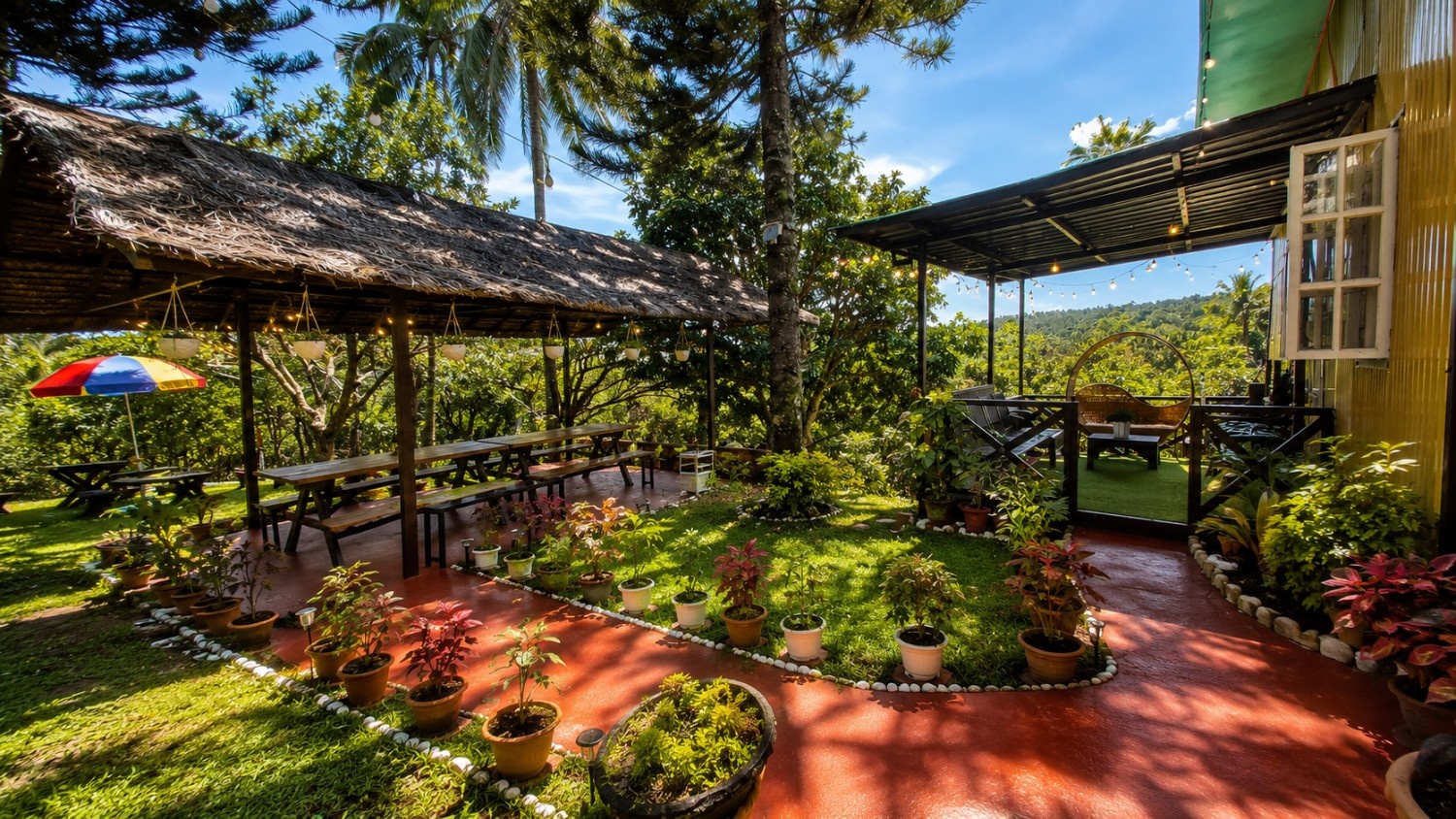
ILOILO CITY — By the end of May, when the early rains soften the earth across this UNESCO Creative City of Gastronomy, a quiet planting season will begin. The Iloilo City Government is targeting 100 communal gardens across its barangays this year, an ambitious scaling of what began six years ago as a modest edible-landscape competition. City Agriculturist Iñigo Garingalao has already completed orientation training in the communities where the gardens will rise.
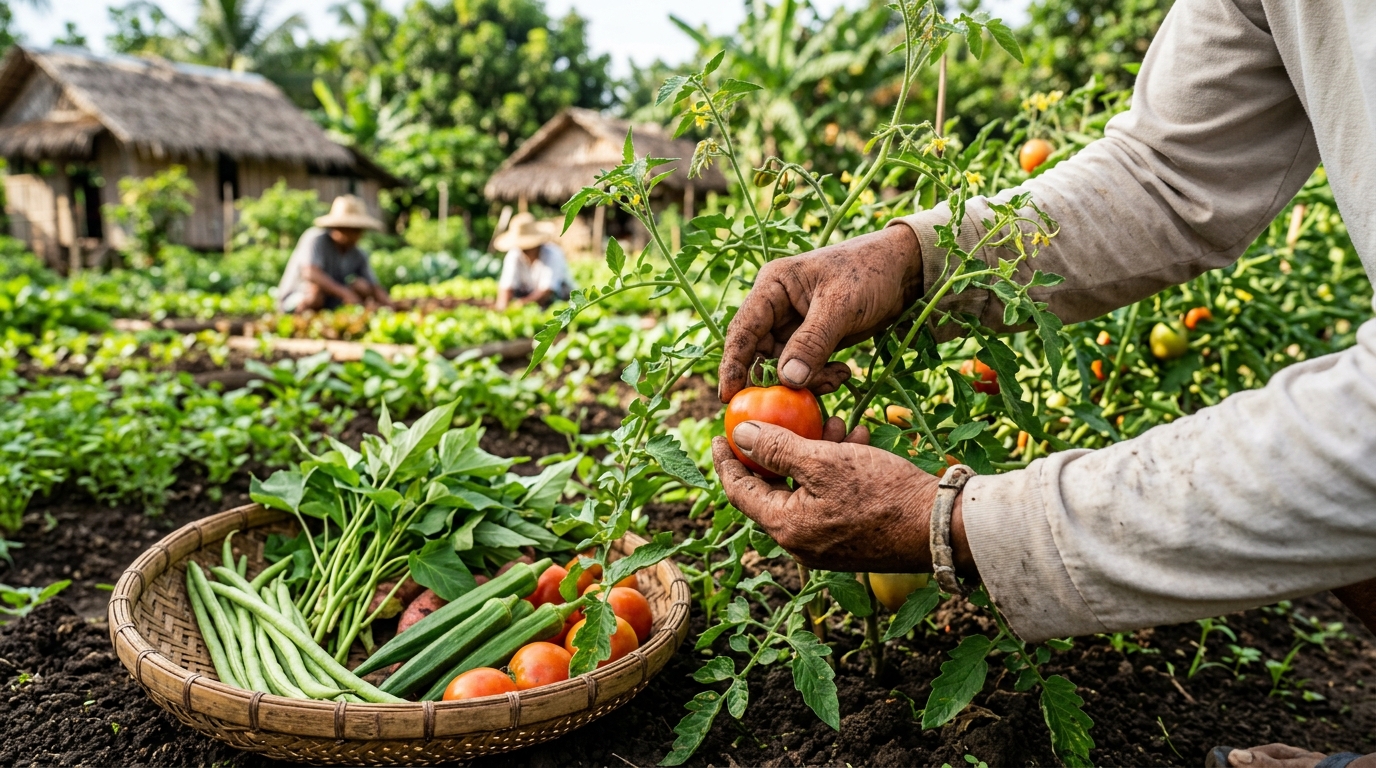
The gardens are not ornamental. Each one grows vegetables destined for three deliberate outcomes: a feeding program for malnourished children in the host barangay, daily household consumption, and income from the sale of excess produce. Last year, close to 90 communal gardens were established, with some barangays pausing this cycle to let their soil recover. "This year, we target 100 communal gardens even if others will no longer join the competition," Garingalao said.
A Gastronomy City That Grows What It Cooks
Iloilo did not earn its UNESCO Creative City of Gastronomy designation in 2023 by importing its flavors. Dishes like La Paz batchoy and pancit molo rely on fresh, locally grown ingredients—garlic, onions, ginger, native greens. The communal garden program strengthens the very agricultural foundation that makes Ilonggo cuisine distinctive. When a barangay grows its own vegetables, it shortens the distance between farm and bowl.
The city's broader food infrastructure reinforces this grassroots approach. In February 2026, the first Farmer's Congress linked growers directly with high-end hotels and restaurants, tackling supply-chain challenges around volume, quality, and payment schemes. The city's community kitchen stands ready to activate in emergencies, with Mayor Raisa Treñas maximizing the nursery complex to ensure a steady supply of seedlings. Each garden cycle lasts nearly eight months, providing almost year-round production.
Harvest Festivals and the New Ilonggo Food Economy
The gardens are already producing measurable results. In April 2026, the Tacas San Isidro Farmers Association, in partnership with MORE Power, harvested 204.9 kilograms of assorted vegetables during a Harvest Festival in Barangay San Isidro, Jaro. The produce—string beans, radish, okra, corn, squash, watermelon, bananas, melon, and tomatoes—was sold directly to the utility's employees, demonstrating a farm-to-market approach that other barangays can replicate.
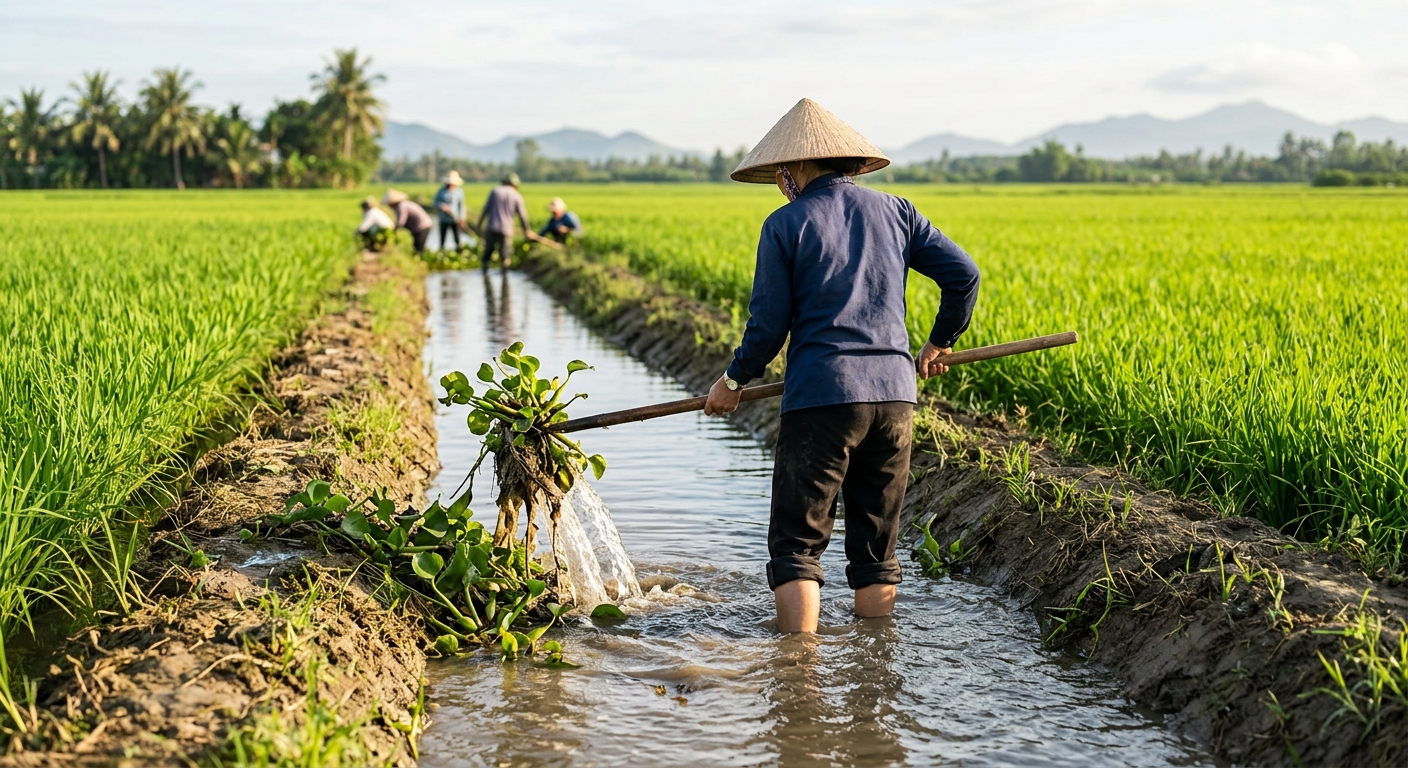
Beyond the 100 communal gardens, Garingalao oversees peri-urban farms on the outskirts of barangays and clusters of associations engaged in vegetable and rice farming. Iloilo City still holds close to 250 hectares of farming area, with over 200 of its 500-plus farmers cultivating vegetables. The communal garden program treats gastronomy not as a restaurant-only enterprise but as a community-rooted value chain where every barangay can participate. For the malnourished child who eats from the garden, the family that saves on groceries, and the vendor who sells the surplus, the 100 gardens are a quiet gastronomic revolution.