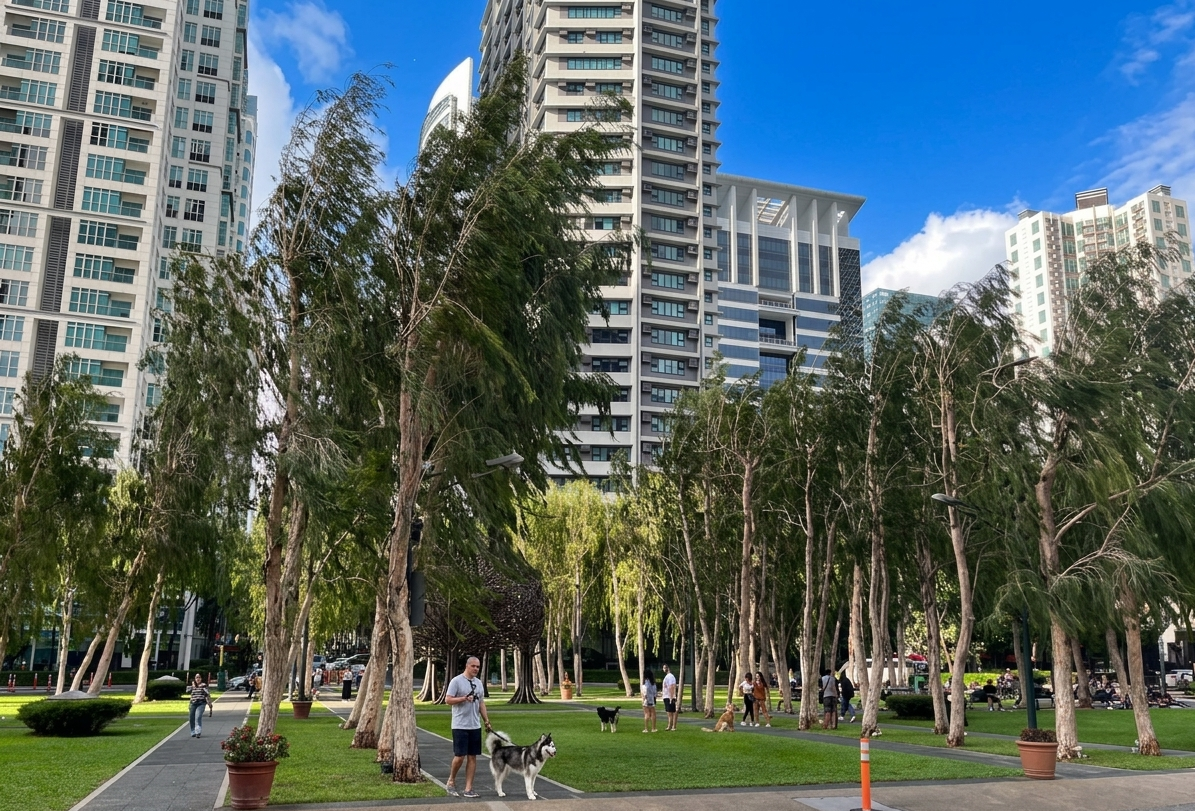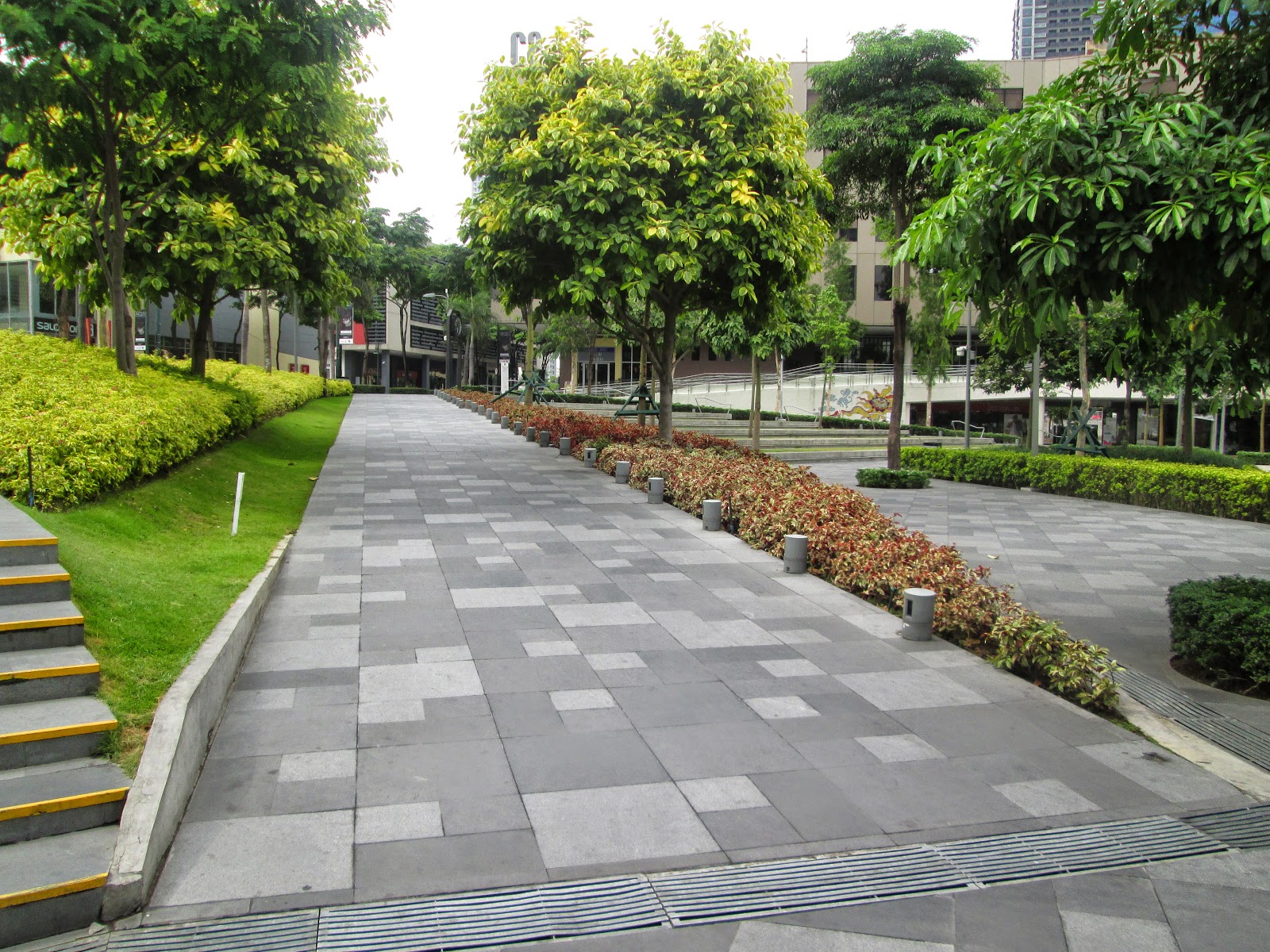
Walkways across Bonifacio Global City continue attracting tourists, locals, and lifestyle travelers as the district’s well-planned pedestrian networks make it one of the most walkable urban destinations in Metro Manila. Designed with wide sidewalks, landscaped paths, public art, and open spaces, these walkways have become a key part of BGC’s identity as a modern and visitor-friendly city.
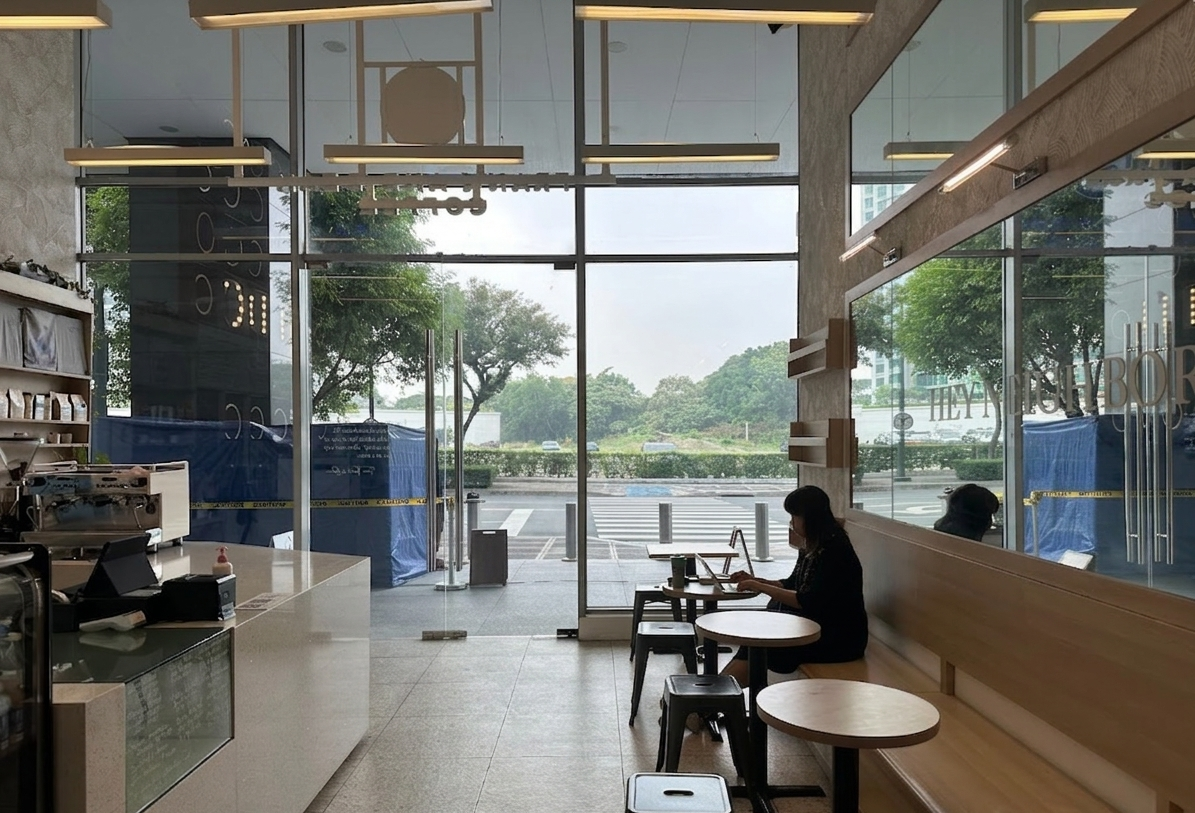
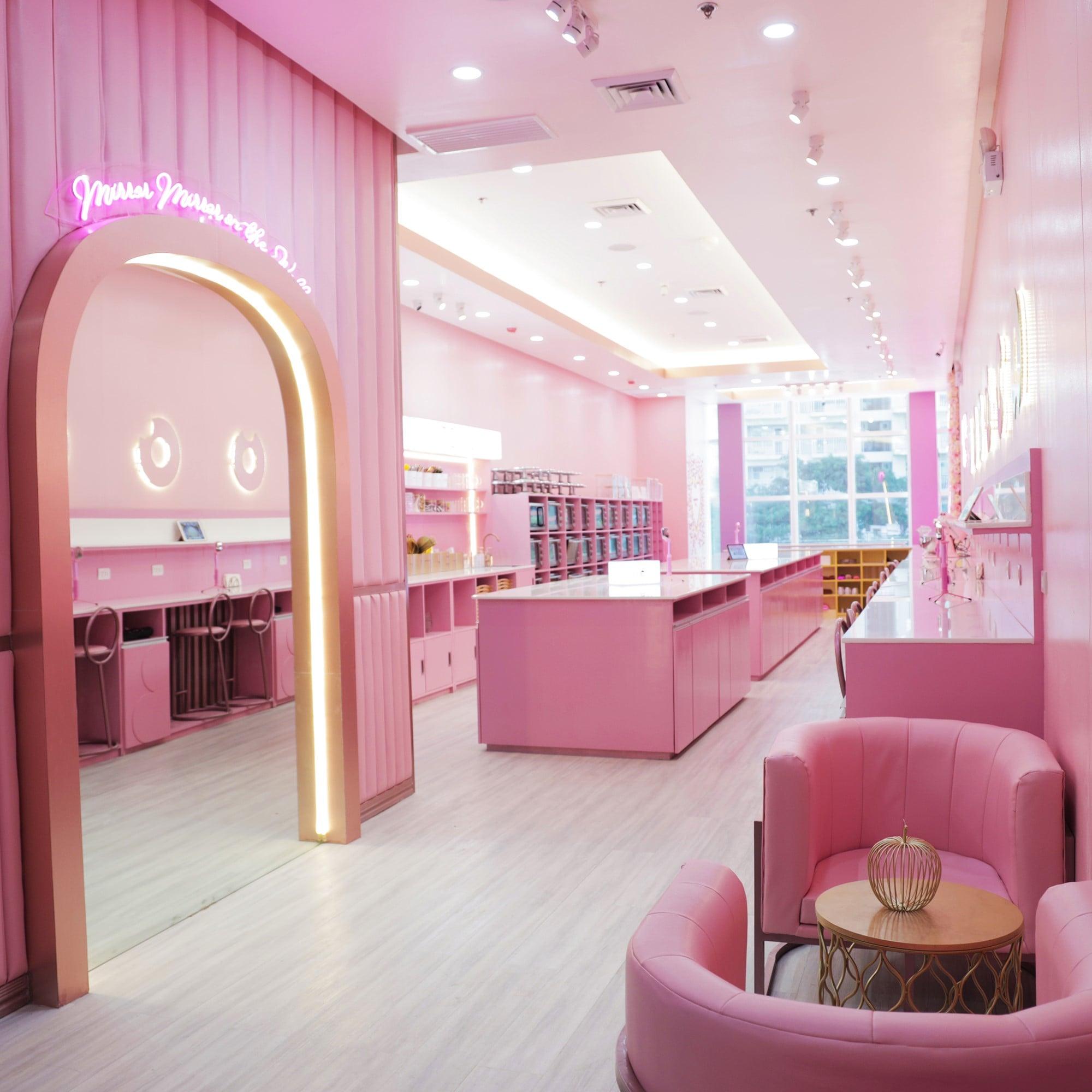
One of the main reasons these walkways are important for tourism is accessibility. Visitors can easily move between cafés, restaurants, parks, shopping centers, and entertainment spots without needing long commutes or complicated transportation. This convenience encourages tourists to explore more of the district on foot, creating a more immersive urban experience. The scenic design of BGC also enhances the walking experience. Clean streets, organized infrastructure, greenery, and public installations create visually appealing routes that feel safe and comfortable for pedestrians. Many visitors enjoy simply walking through the area, taking photos, and observing the city’s modern architecture and lifestyle atmosphere. These walkways also support social tourism activities. Groups of friends, families, couples, and solo travelers often use pedestrian-friendly paths as part of their daily itineraries, combining casual walks with dining, shopping, and entertainment stops. This creates a flexible and relaxed travel experience that appeals to different types of visitors.
Another factor contributing to their popularity is how they encourage exploration. Instead of rushing from one destination to another, tourists are able to discover hidden cafés, art installations, and small lifestyle spots along the way. This sense of discovery adds depth to the overall BGC experience. Social media also plays a role in promoting BGC’s walkability. Photos and videos of clean streets, skyline views, and lifestyle scenes frequently circulate online, reinforcing the district’s reputation as a modern urban destination. Ultimately, these scenic walkways represent more than infrastructure—they are part of the tourism experience itself. In a city like Taguig City, where lifestyle and urban design come together, walkability becomes a defining feature that shapes how visitors experience the space.