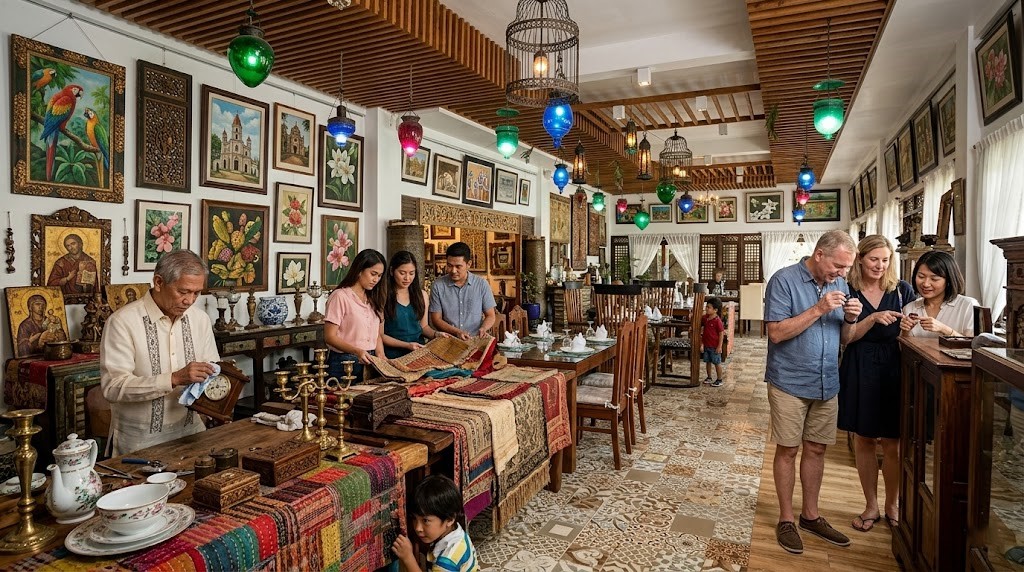
Unlike mass-produced retail items, antiques naturally invite questions about previous owners and forgotten periods. Customers browse slowly because each object feels tied to another life entirely. Shopping becomes reflective rather than practical. Curiosity drives the experience.
Many younger shoppers now appreciate vintage furniture and décor because older items feel more distinctive and durable than factory-made alternatives. Imperfections add personality instead of reducing value. Wear becomes part of beauty. Authenticity matters more than polish.
The city’s appreciation for heritage and familiarity extends naturally into antique culture. Older items remain meaningful because they preserve traces of daily life from different eras. Shops become informal museums without strict rules. Memory stays visible there.