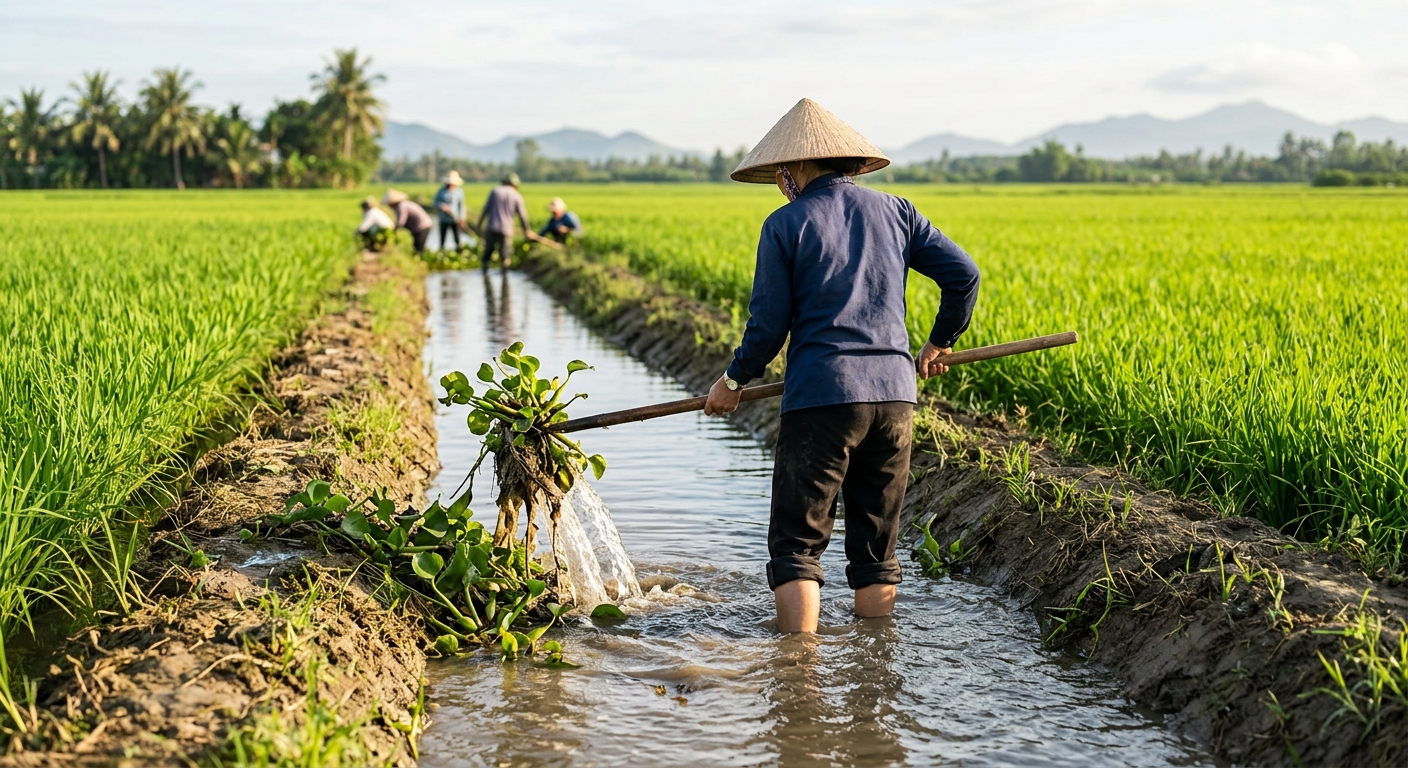
ILOILO CITY — Before a single leaf of kangkong reaches the wet market or a grain of rice arrives at a batchoy kitchen, water must travel through canals that have been carrying it to Western Visayas farms for generations. On May 26, 2026, the Department of Labor and Employment Region 6 and the National Irrigation Administration signed an agreement that will deploy 1,500 farmers from 49 Irrigators' Associations to clear those canals of vegetation, silt, and debris. The month‑long effort, running from June 1 to June 30, is funded with ₱8.895 million under the TUPAD program.
The workers, who will receive the region's minimum daily wage plus one‑year GSIS accident insurance and protective equipment, will manually restore water flow to the arteries that sustain Western Visayas' agricultural engine. The project arrives as prolonged extreme heat and the possible onset of El Niño threaten both agricultural productivity and water supply. NIA‑6 manager Engr. Jonel Borres called the assistance vital for farmers struggling with dry conditions. DOLE‑6 director Atty. Sixto Rodriguez said the partnership widens the scope of government services.
The Hidden Infrastructure of a UNESCO Gastronomic City
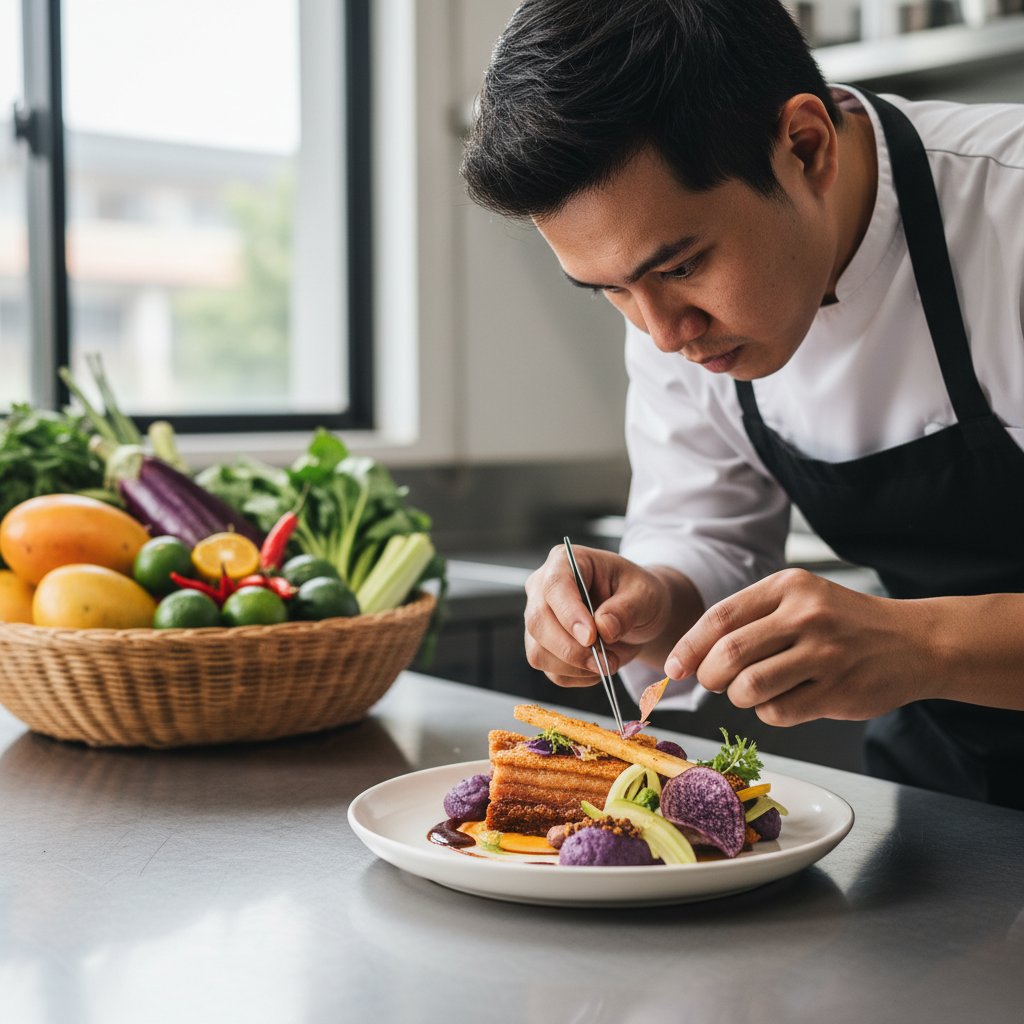
Iloilo City did not earn its UNESCO Creative City of Gastronomy designation in 2023 on imported ingredients. Every bowl of La Paz batchoy, every plate of pancit molo, and every seafood dish served along the Esplanade depends on a supply chain that begins in irrigated fields across the province. The 49 Irrigators' Associations whose members will clear the canals represent the first link in that chain—the point where water meets soil.
When irrigation canals clog with silt and vegetation, water flows slow or stop entirely. Rice paddies dry out. Vegetable farms lose their irrigation source. The consequences travel downstream, reaching the kitchens and markets that anchor Iloilo's food tourism economy. The canal‑clearing operation, modest as it may appear, is a direct defense of the agricultural foundation beneath the region's culinary identity. It ensures the ingredients that define Ilonggo cuisine continue reaching the cooks who transform them.
Food Security as the Foundation of Food Culture
The TUPAD canal‑clearing project aligns with broader provincial efforts to protect food security ahead of El Niño. Western Visayas has already activated its wet‑season irrigation schedule, with systems across Iloilo, Aklan, and Capiz set to begin water delivery through June. The Jalaur River Multi‑Purpose Project Stage II, now at 50 percent completion, will eventually irrigate an additional 9,500 hectares.
Rodriguez noted that inter‑agency collaboration helps identify the sectors most in need. Borres emphasized that securing water for agricultural sustainability is central to NIA's mandate. For the food tourist who visits Iloilo's Terminal Market, where dried fish sells out by midday and vendors restock faster than they can display, the 1,500 farmers clearing canals are invisible but indispensable. They are the quiet labor that keeps the city's gastronomic promise intact.