



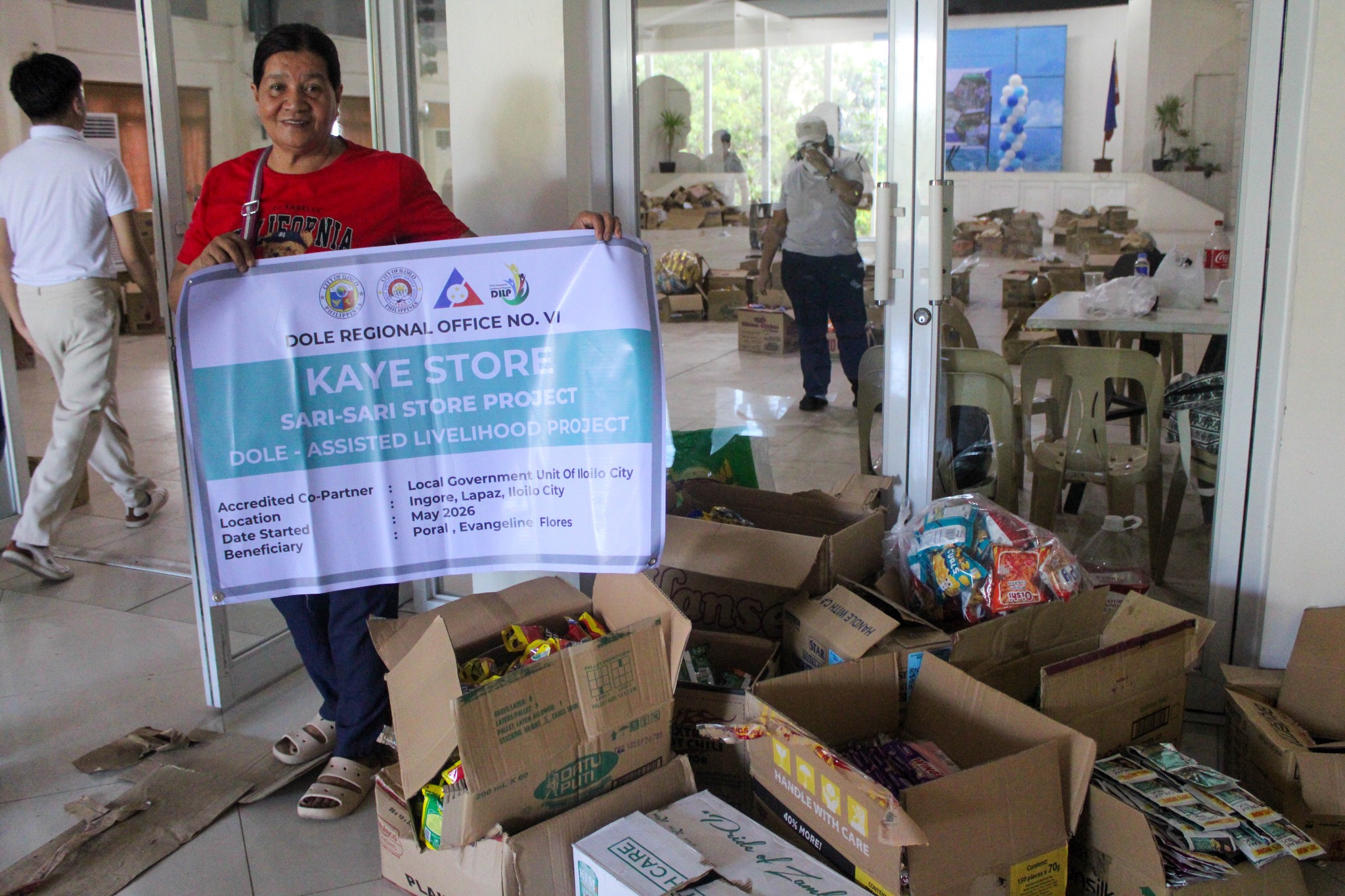
ILOILO CITY — The Iloilo City Government, in partnership with the Department of Labor and Employment, has released livelihood assistance to 250 local beneficiaries under the DOLE Integrated Livelihood Program. The initiative, called the Rice Retailing and Sari‑Sari Store Livelihood Program, equips recipients with the starter resources needed to launch or expand their micro‑enterprises. Each beneficiary receives essential goods and capital to begin selling immediately.
The program targets two of the most accessible and sustainable micro‑business models in Philippine communities: rice retailing and sari‑sari stores. By providing starter inventory rather than cash alone, the initiative ensures that recipients can begin generating income from day one. The model has been refined over years of DILP implementation to maximize success rates and minimize the risk of capital erosion.
A Direct Boost to the Local Economy
For the city's grassroots economy, 250 new or expanded micro‑enterprises represent a significant injection of economic activity. Each sari‑sari store serves as a neighborhood convenience hub, while rice retailers address a daily staple need. The program aims to drive financial stability and improve the overall quality of life for Ilonggo families.
The initiative strengthens the city's entrepreneurial ecosystem at its most fundamental level. Micro‑enterprises like sari‑sari stores are often the first rung on the economic ladder for Filipino families. By formalizing these businesses through DILP support, the city and DOLE are building a more resilient local economy where household incomes are diversified beyond wage employment.
A Partnership That Converts Aid Into Enterprise
The collaboration between the Iloilo City Government and DOLE reflects a whole‑of‑government approach to livelihood development. The DILP framework provides not only starter resources but also access to training and monitoring. Beneficiaries are expected to manage their inventory, track sales, and gradually scale their operations.
For the city, the program aligns with broader efforts to formalize nano‑enterprises and integrate them into the local tax and business permit system. Earlier this year, the city enacted the Nano Enterprise Incentives Ordinance, which grants graduated discounts on regulatory fees. The DILP assistance complements that policy by providing the seed capital that new entrepreneurs need to get started. The 250 beneficiaries are now positioned to contribute to Iloilo's thriving local economy.
