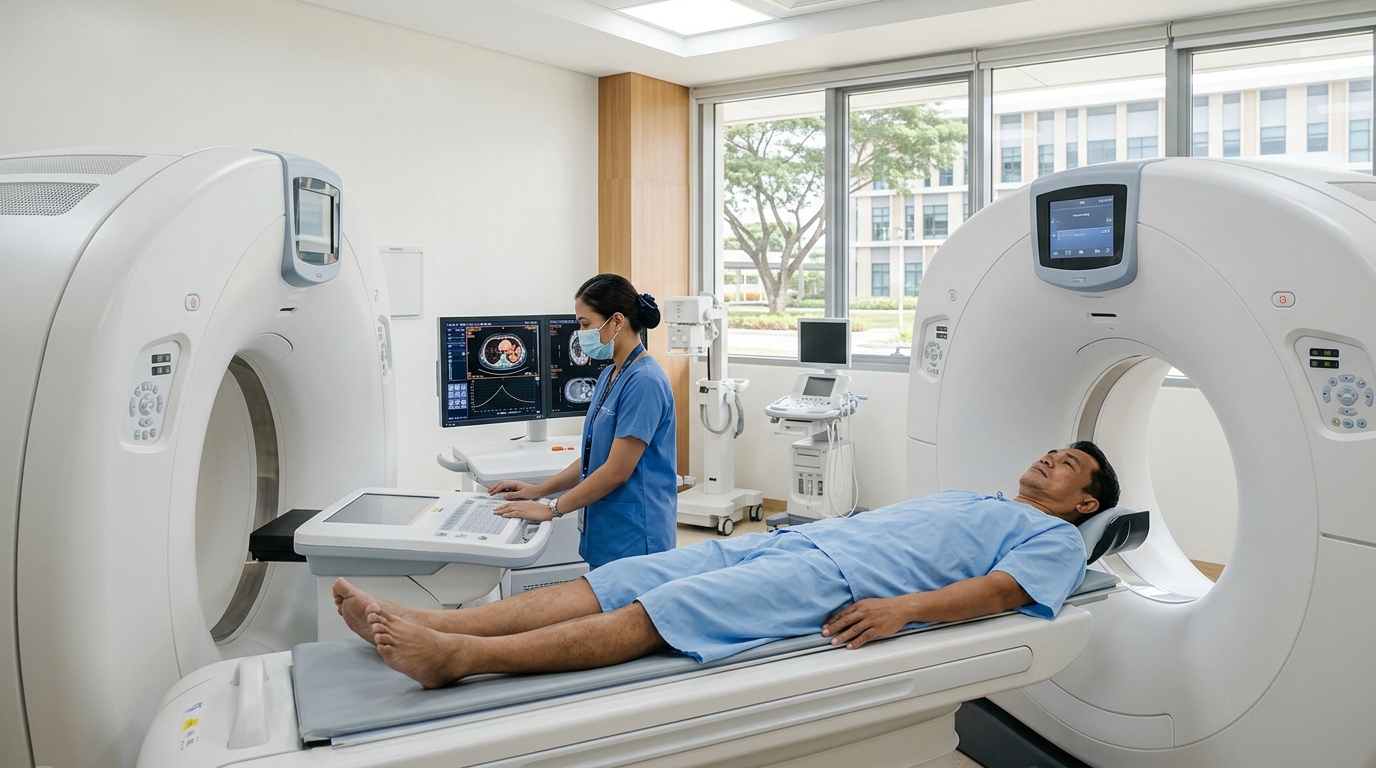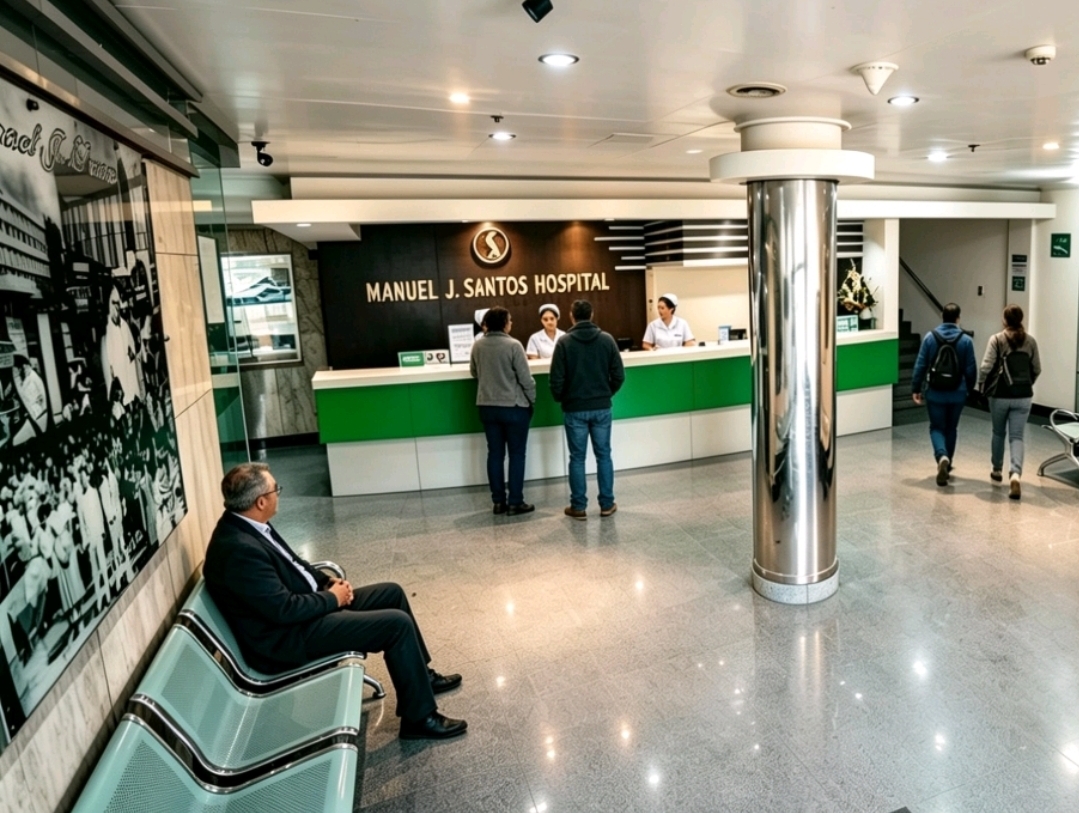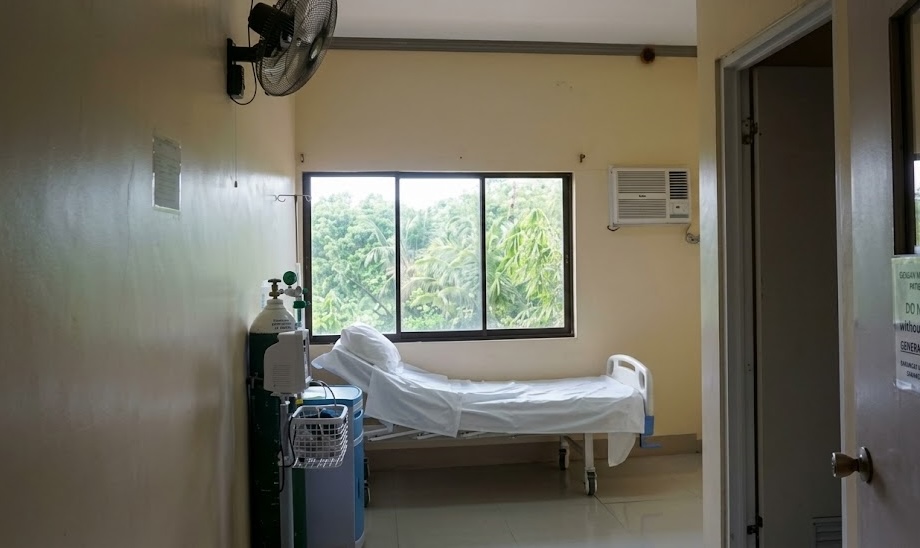
A significant shift is on the horizon for Southeast Asian healthcare. By 2026, an ambitious ASEAN Medical Corridor is slated to commence, integrating the healthcare landscapes of the Philippines, Thailand, Singapore, Malaysia, and Vietnam. This collaborative effort, as highlighted by Travel And Tour World, promises a "revolutionary healthcare revolution" and "unstoppable growth" within the region, setting the stage for a new era of medical cooperation and development.
Regional Integration and the Dawn of a Medical Revolution
This corridor aims to foster deeper integration of medical services, potentially streamlining patient access to specialized treatments across borders, encouraging medical tourism, and facilitating the exchange of medical expertise and technology. While specific operational details are still emerging, the initiative signals a collective commitment by these nations to elevate regional healthcare standards and capabilities.
Economic Growth through Harmonized Healthcare Standards
The establishment of an ASEAN Medical Corridor holds substantial implications for the regional economy and healthcare sector. For the Philippines, participation in this corridor could solidify its position as a burgeoning hub for medical tourism and specialized care. It opens avenues for increased foreign investment in healthcare infrastructure and technology, potentially stimulating economic growth and job creation within the country. The collaborative framework could also lead to harmonized medical standards, making healthcare services more accessible and reliable for citizens and expatriates alike across the participating nations.
New Career Horizons and Enhanced Support for the Diaspora
For Filipinos, whether residing in the Philippines or working as Overseas Filipino Workers (OFWs) across the globe, this development is particularly noteworthy. The "healthcare revolution" could translate into a surge in demand for skilled healthcare professionals, including nurses, doctors, and allied health workers, not only within the Philippines but also in partner ASEAN countries. This creates new opportunities for Filipino healthcare workers seeking employment closer to home or within a more integrated regional system, potentially offering alternatives to traditional overseas destinations. Moreover, OFWs currently working in the participating countries might benefit from enhanced healthcare services and potentially more seamless access to medical care within the corridor. Families back in the Philippines could also see improvements in local healthcare facilities and services as the nation aligns with regional best practices. Staying informed about the specific policies and programs that will emerge from this corridor is crucial for Filipinos to leverage these upcoming opportunities and benefits in the evolving regional healthcare landscape.