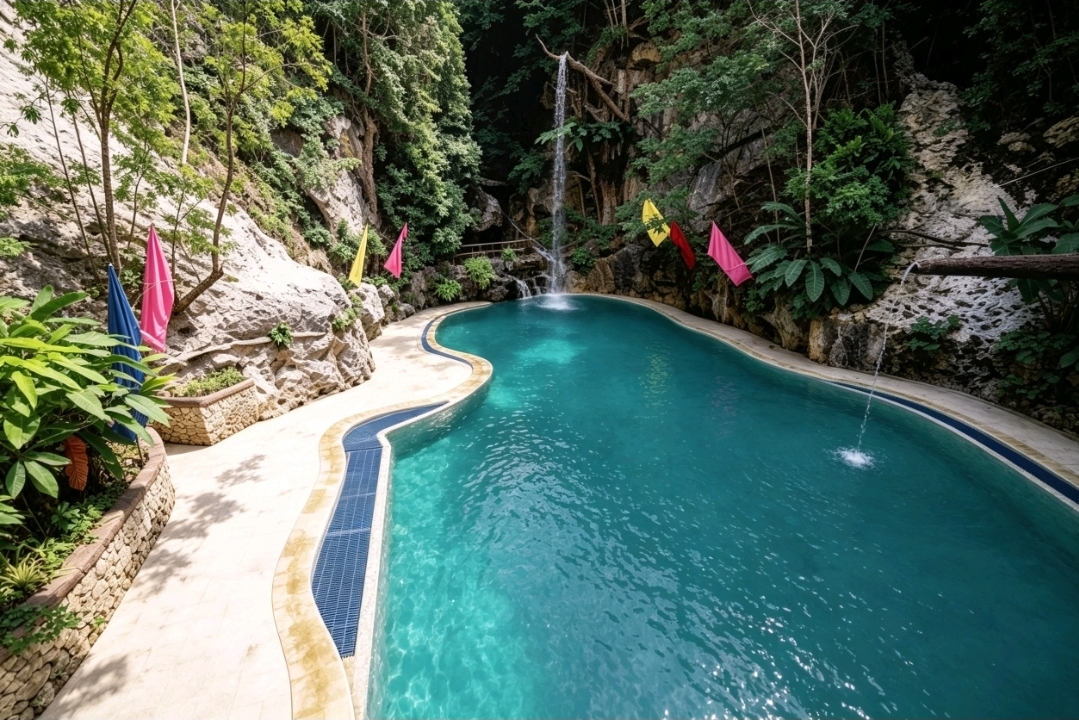
PALAWAN — tucked away on the captivating island of Coron, Banul Beach—often spelled Banol Beach—is a tropical daydream brought to life. Famed for its crescent of powdery white sand and emerald-turquoise waters, this hidden gem is cradled by towering black limestone cliffs and lush greenery. It serves as one of the most photogenic stops in Palawan, offering a serene escape that feels worlds away from the mainland. Whether you are seeking a quiet moment to soak in the sun or a stunning backdrop for your island-hopping photos, Banul Beach remains an essential highlight for every traveler exploring the beauty of the Calamian archipelago.
A Haven for Snorkelers and Sun Seekers
The magic of Banul Beach extends well beyond its picturesque shoreline. The waters here are exceptionally calm and clear, making it a perfect spot for beginner-friendly swimming and snorkeling. Just a few strokes from the sand, you can discover a vibrant coral garden teeming with tropical fish, giant clams, and playful marine life. The beach is also a favored lunch stop for island hopping tours, where guests can enjoy freshly prepared local meals under the shade of native nipa huts. Because it is naturally sheltered by massive cliffs, the cove remains protected from strong currents, ensuring a safe and relaxing environment for families and solo adventurers alike to reconnect with nature.
Preserving a Sacred Piece of Paradise
Beyond its aesthetic appeal, Banul Beach holds deep cultural and environmental significance. It lies within the ancestral domain of the indigenous Tagbanwa people, who serve as the dedicated stewards of the island. By managing the area and ensuring sustainable tourism practices, they maintain the beach’s pristine condition, making it a wonderful example of how heritage and travel can coexist. Visitors are encouraged to respect the environment—avoiding littering and coral contact—to help preserve this sanctuary. A visit here is not just an excursion; it is an opportunity to support local community livelihoods and witness firsthand the successful balance of conservation and tourism in one of the Philippines' most beautiful regions