
ILOILO CITY — Iloilo City has already earned its place as an ASEAN Clean Tourist City. Its streets are orderly, its river esplanade is celebrated, and its festival calendar draws hundreds of thousands of visitors each January. But on May 4, 2026, Mayor Raisa Treñas-Chu sat down with representatives of the Commission on Human Rights (CHR) to discuss a recognition that would signal something deeper than cleanliness or cultural wealth. The city is moving toward a self-declaration as Western Visayas' first "Human Rights City," a designation rooted in a United Nations framework that redefines urban governance through the lens of dignity, inclusion, and fundamental rights.
For the tourism sector, the implications are both immediate and long-term. A destination that formally commits to human rights-based governance is a destination that promises more than scenic views. It promises that the visitor—regardless of nationality, gender, ability, or orientation—enters a community governed by a moral and legal framework designed to protect them. In an era when global travelers increasingly weigh safety, inclusivity, and social values alongside price and amenities, Iloilo's human rights push adds a layer of assurance that no hotel rating system can provide.
What 'Human Rights City' Actually Means
The Human Rights City initiative is not a CHR-conferred title but a self-declaration by the local government, a nuance that CHR-6 Regional Director Jonnie Dabuco clarified following reports that the commission would bestow the label. "It is not CHR declaring the title. It will be a self-declaration by the Iloilo City government," Dabuco said. Christopher Montaño, chief of CHR-6's Human Rights Promotion Division, explained that the agency is merely facilitating the adoption of a framework established by the United Nations in 2015, which calls on local governments to anchor governance on protecting and fulfilling human rights.
Mayor Treñas-Chu framed the initiative in terms that reflect the city's broader development philosophy. "This reflects our shared vision of building a community where every person is respected, protected, and empowered, and we continue to work together to achieve this important goal for a more just and compassionate City of Iloilo." The preparations are grounded in the belief that "every Ilonggo deserves dignity, inclusion, and protection of their rights," she added.
The declaration process follows capacity-building efforts, including a March 10–12 orientation workshop that gathered city government offices to integrate human rights principles into local policies and programs. A counterpart ordinance from the Sangguniang Panlungsod is also required, ensuring that the commitment is legislated rather than merely rhetorical. Iloilo City's existing Human Rights Action Center, created in April 2023 under former Mayor Jerry Treñas, provides an institutional backbone, while proposed Barangay Human Rights Action Centers would extend the framework into grassroots referral mechanisms accessible to the remotest communities.
Why a Human Rights Declaration Matters to the Traveler
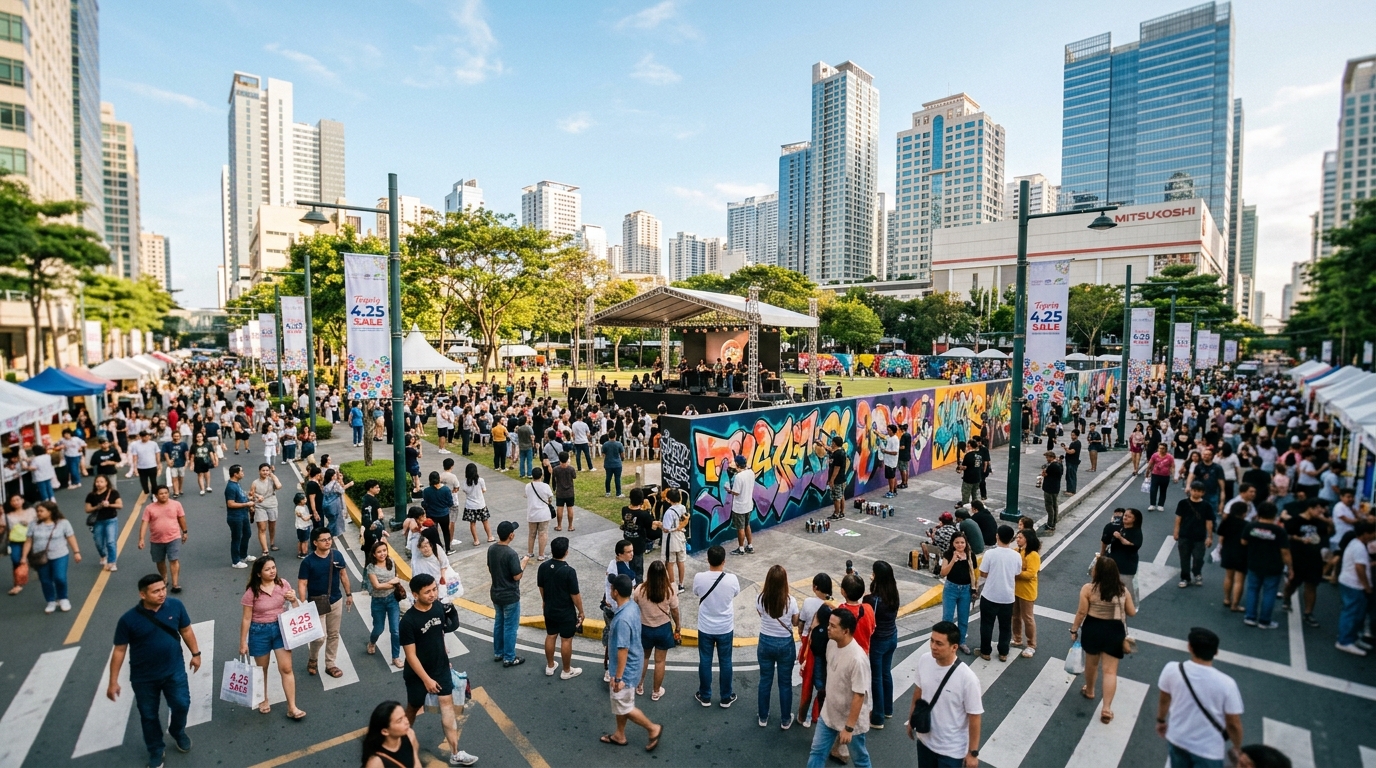
The link between human rights and tourism is not theoretical. The ASEAN Clean Tourist City standard, which Iloilo City met for both its 2020–2022 and 2026 award cycles, already assesses cities on safety, environmental management, waste disposal, and community participation, all of which overlap with human rights-based governance. The city's compliance with these standards underpinned its hosting of February's EDSA anniversary mass actions, which transpired without major incident, and the 550,000-strong Dinagyang Festival that proceeded with orderly crowd management.
A Human Rights City declaration deepens this foundation. International travelers researching destinations increasingly consult human rights reports, safety advisories, and inclusivity indices alongside traditional guidebooks. A city that has voluntarily undergone the process of aligning local governance with UN human rights frameworks signals to tourists that their dignity will not be compromised upon arrival, whether they are LGBTQIA+ travelers, persons with disabilities, or visitors from nations with which the Philippines has complex diplomatic relations.
The initiative also complements Iloilo's growing reputation as a sustainable, community-centered destination. The city recently launched the Living Heritage Museum Tour, giving visitors access to private ancestral homes, and it has expanded its MICE capacity to host over 150 events in 2025, with the Iloilo Convention Center fully booked and maintaining a year-long waitlist. Delegates arriving for conferences can now be told that their host city does not merely tolerate diversity but has codified its protection into local law.
A Framework for the Next Wave of Tourism Growth
Montaño noted that Iloilo City and San Jose de Buenavista in Antique are the two Western Visayas localities that have shown interest in the UN framework, having participated in seminars and workshops on the grassroots approach to human rights. In 2025, CHR identified Cebu City as a potential pilot for Central Visayas, but no Philippine local government unit has yet completed the formal declaration process. Iloilo City, with its established Human Rights Action Center and its mayor's public commitment, now leads the race.
The CHR is collaborating with the UN Joint Programme 2021–2024 and the Raoul Wallenberg Institute on Human Rights to develop indicators and criteria for prospective Human Rights Cities, including capacity-building sessions for CHR personnel and expanded engagement with the international Human Rights Cities Network. For Iloilo, participation in this global network would place it alongside cities such as Gwangju, Graz, and Mexico City that have used human rights frameworks to strengthen their international profiles. For the traveler, the message on the ground will be simpler: Iloilo City does not just welcome you. It has written your protection into its governance.