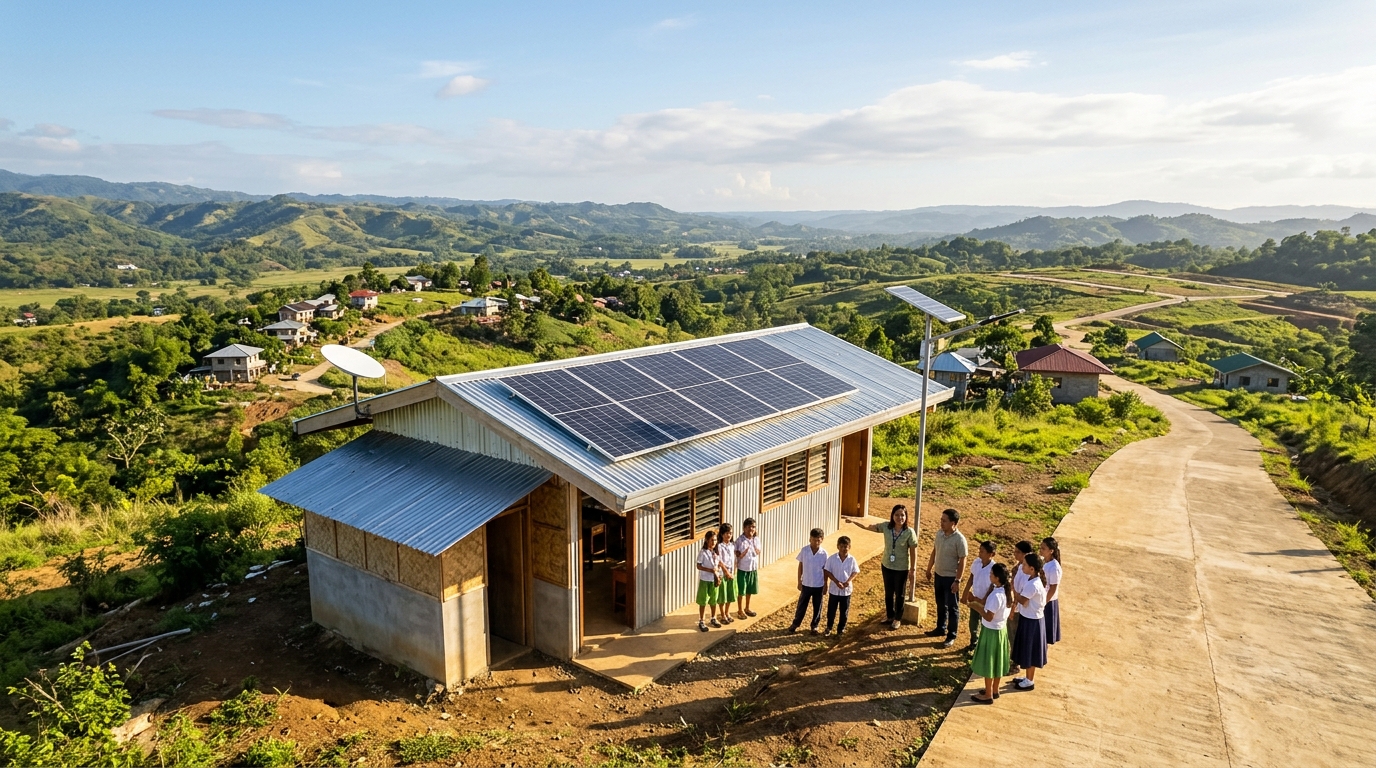
CAGAYAN DE ORO — While the city grapples with a costly energy emergency, a quiet transformation is taking root in its remote uplands—one that real estate developers are watching closely. The recent electrification of two last‑mile schools in Barangay Baikingon is doing more than lighting classrooms; it is turning a once‑inaccessible area into a potential frontier for residential and eco‑tourism development.
The initiative, led by the Aboitiz Foundation under its flagship AuroraPH program and funded by Union Bank, brought solar power systems and satellite internet to Apo Malaki Integrated School‑Bugsok Extension and Migtugsok Mobile School in early April 2026. For the first time, students and teachers in these geographically isolated communities have reliable electricity and digital connectivity—assets that property experts say are fundamental to unlocking land value.
How Electrification Drives Property Demand
“Reliable power and connectivity do more than improve learning conditions—they enable communities to connect to systems that support long‑term development and inclusion,” said Jowelle Ann Cruz, Aboitiz Foundation’s impact lead for education. For the real estate sector, those same systems—lighting, refrigeration, internet access—are the baseline requirements for any habitable or commercial property. A remote sitio that lacked electricity was essentially off‑limits to developers; now, the area becomes a candidate for incremental residential growth, agri‑tourism ventures, and even eco‑lodges.
The immediate results are already visible. With connectivity enabled, the Philippine Statistics Authority conducted on‑site birth registration for previously undocumented residents, giving families their first formal link to national systems. Formal documentation is a prerequisite for land titling, property transactions, and securing housing loans—all critical steps in a functioning real estate market.
Upland Barangays: The Next Growth Corridor
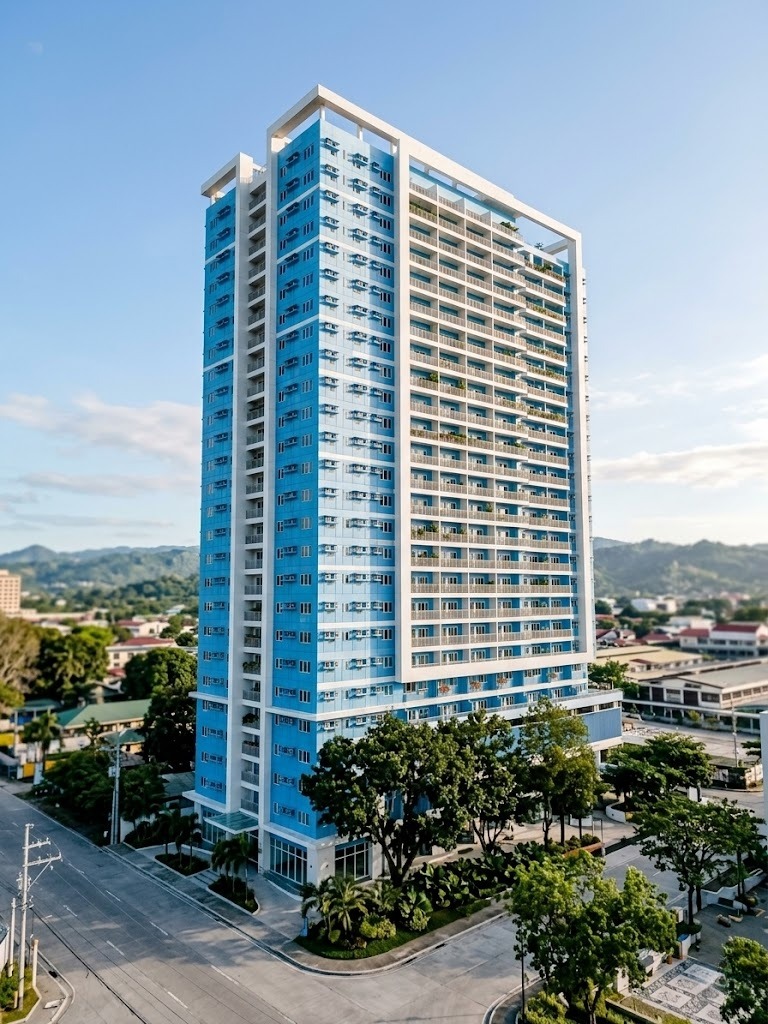
Baikingon is one of several upland barangays that business leaders have previously identified as having strong potential for expansion. In February 2026, the Oro Chamber urged the city to consider Barangays Tablon, Indahag, Bulua, and Lumbia for a future economic zone. While Baikingon is not yet on that shortlist, its newfound energy and connectivity place it in the same conversation. As Megaworld kicks off land development for its ₱65‑billion Upper Central township in nearby Gusa and Indahag, and CLI’s One Manresa Place continues its record‑breaking sell‑out, the city’s real estate gravity is pulling outward. Rural electrification ensures that outward expansion is not constrained by basic infrastructure gaps.
Contrasting Realities: Energy Emergency vs. Energy Access
The electrification of Baikingon stands in stark contrast to the broader energy crisis gripping the city. On April 7, 2026, the City Council declared a State of Energy Emergency under Resolution No. 2026‑203, approving the release of a ₱400‑million calamity fund to help transport workers, farmers, fisherfolk, senior citizens, and persons with disabilities cope with soaring fuel prices. Diesel prices have breached ₱150 per liter, driven by tensions in the Middle East.
Yet within that crisis lies a real estate opportunity: as urban areas face rising operational costs, developers and homebuyers are increasingly looking toward off‑grid or hybrid solutions. The Baikingon model—solar panels paired with Starlink satellite internet—offers a replicable template for sustainable, self‑powered residential enclaves. Pueblo de Oro is already accelerating solar installations across its township, installing approximately 200 kilowatt‑peak of panels at its golf clubhouse, commercial hub, and detention pond area.
What This Means for Investors and Homebuyers
For real estate investors, the electrification of Baikingon signals a shift in how upland properties are valued. A sitio that was once considered too remote for development now has the two most critical utilities: power and internet. This reduces the cost barrier for small‑scale developers and opens the door for affordable housing projects, eco‑tourism resorts, and retirement communities in cooler, less congested areas.
For homebuyers, the message is equally clear. Properties in recently electrified upland barangays may still be priced at a discount compared to Uptown CDO, but that gap is likely to narrow as infrastructure improvements continue. Early entry into these emerging corridors could yield significant appreciation over the next five to ten years.
A Brighter Future for Communities and Capital
Mayor Rolando “Klarex” Uy described the AuroraPH initiative as bringing “opportunity, hope, and a brighter future” to communities long facing barriers to access. For the real estate sector, that same initiative is also bringing opportunity—the chance to develop new land banks, hope—that infrastructure gaps can be bridged, and a brighter future—where sustainable, off‑grid developments become the next frontier in Cagayan de Oro’s property market.