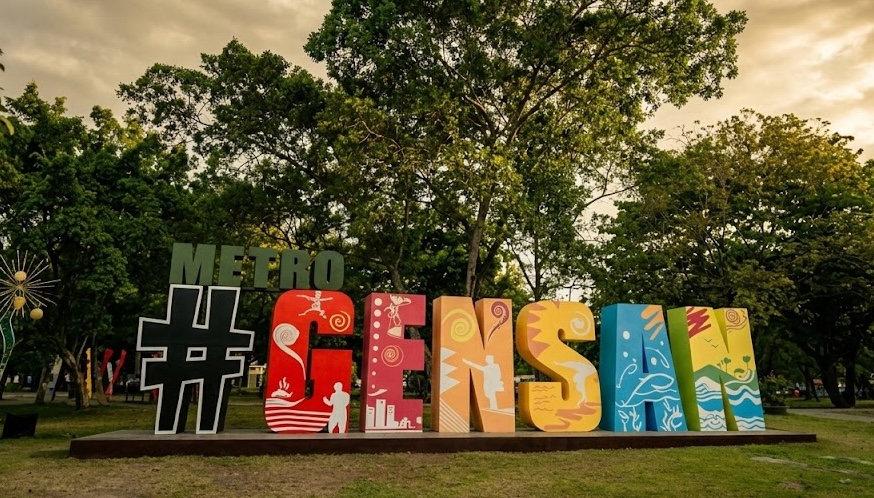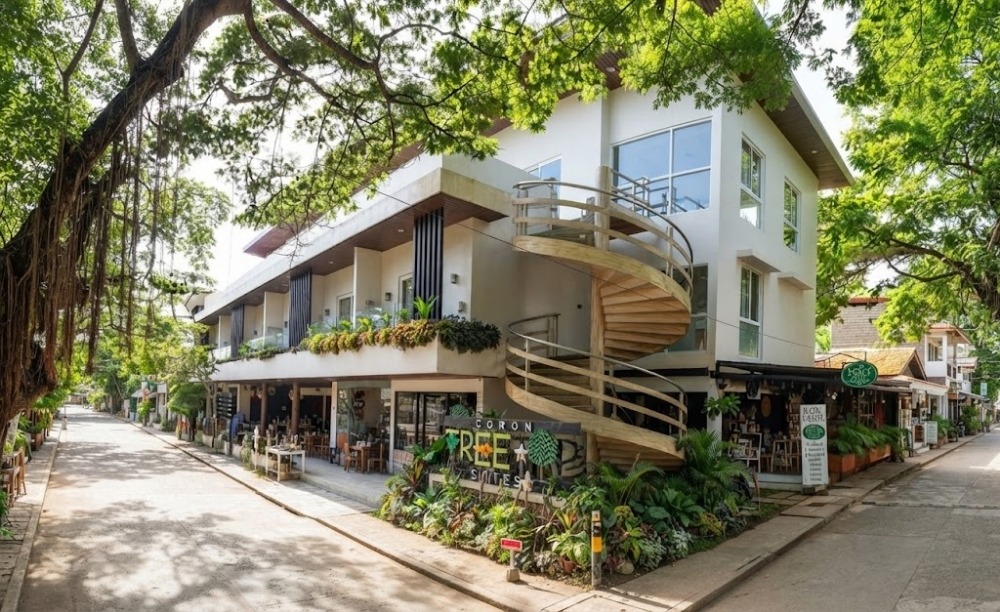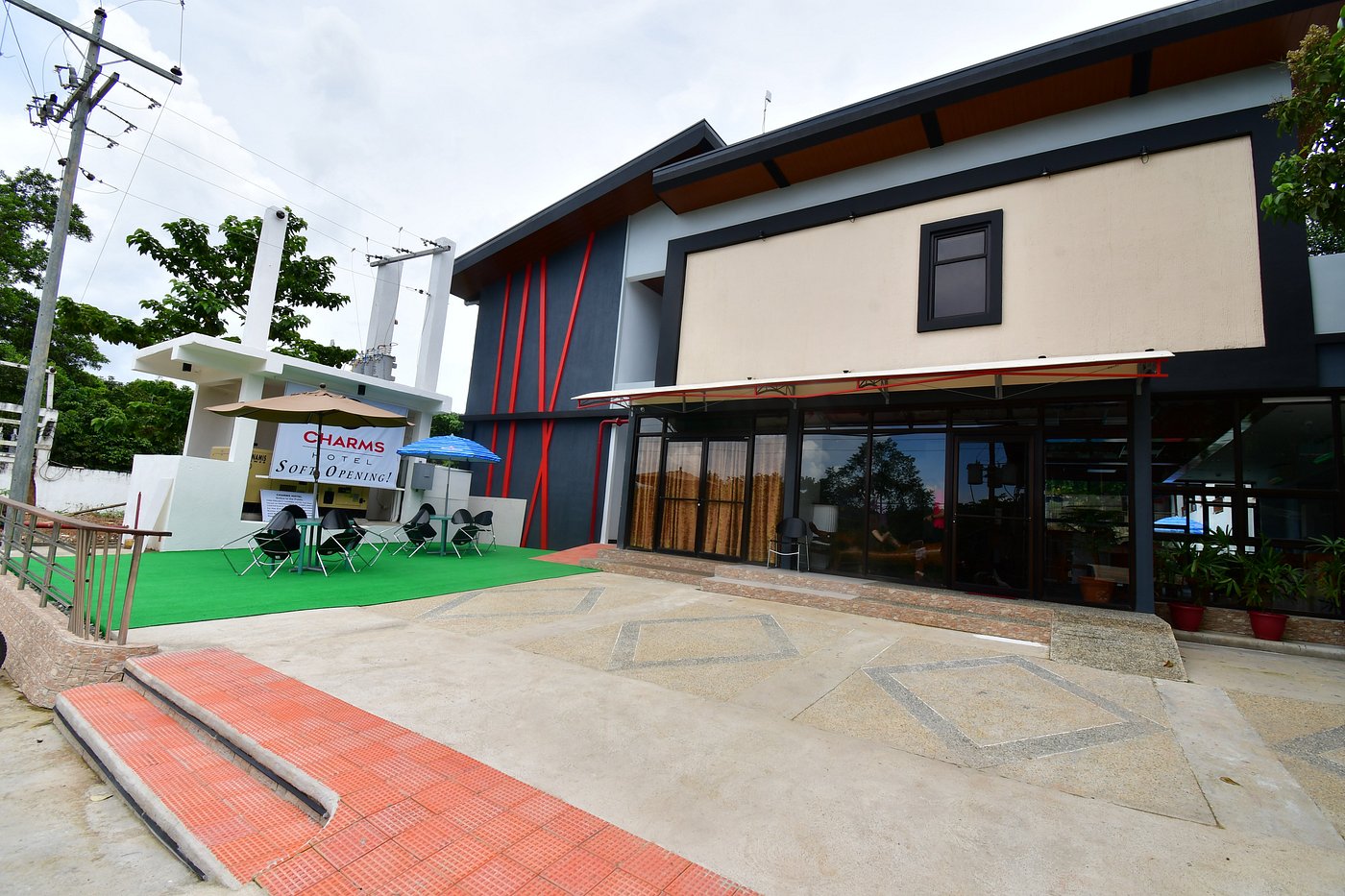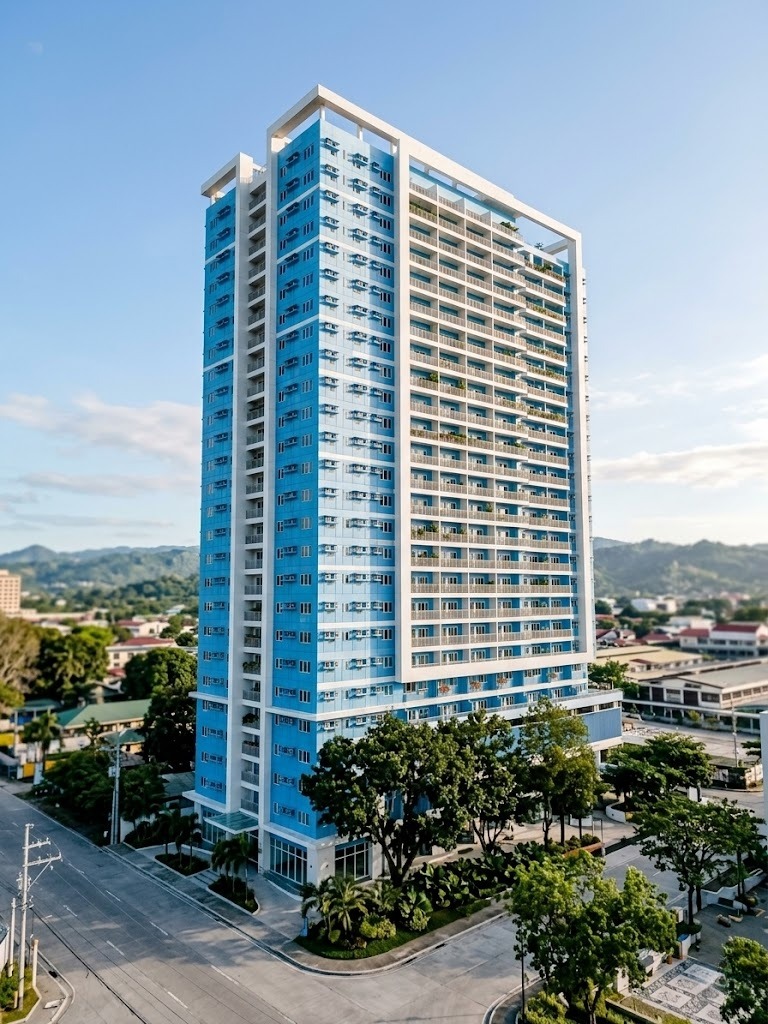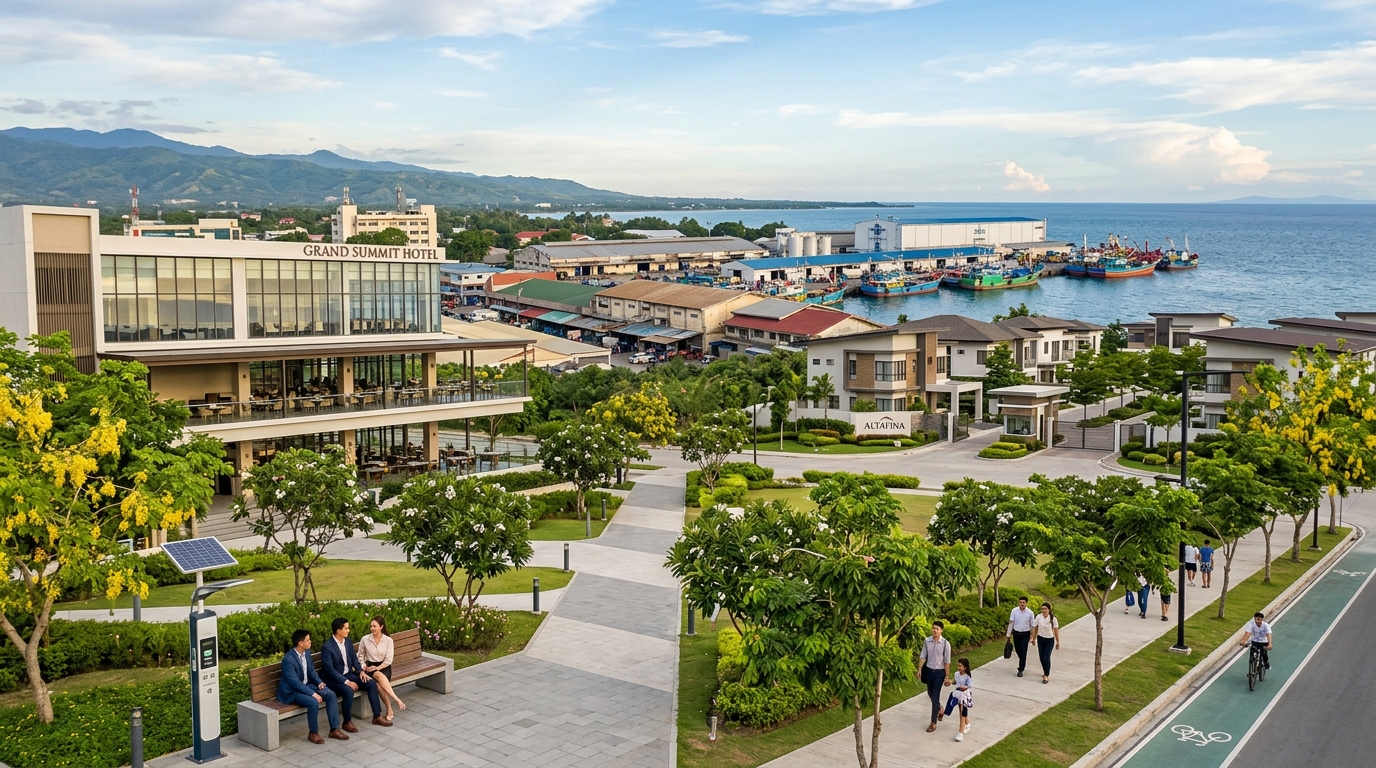
General Santos City is shedding its "just for fishing" reputation as it accelerates into a sophisticated regional hub this April 2026. While the world knows it for tuna, the city's latest developments in high-end hospitality and strategic urban planning are catching the eyes of major property developers and lifestyle investors. This transition marks a new era where gastronomy and real estate take center stage alongside its maritime heritage.
The Rise of the "Green City of the South"
The city's vision to be the "Green City of the South" has moved from planning to tangible urban transformation as of late April 2026. Under the latest Green City Action Plan, the local government is prioritizing climate-resilient infrastructure and sustainable transportation systems to support its growing population. These initiatives are designed to enhance the livability of the city, making it a primary destination for professionals seeking a balance between a bustling economy and environmental consciousness. This shift is not just about aesthetics; it is a mechanical necessity to sustain its status as the regional agri-industrial and transshipment hub of SOCCSKSARGEN.
Luxury Living and the Real Estate Boom
Major Philippine developers like Visa Land and Damosa Land are aggressively expanding their portfolios in GenSan to meet the demand for upscale living. Projects such as Camella Cerritos and the Altafina residential developments are redefining the city's skyline with ready-for-occupancy homes that cater to the "Mindanaoan elite" and overseas investors. These gated communities emphasize space, nature, and long-term value, reflecting a lifestyle change where residents prioritize security and premium amenities. As infrastructure projects like the Davao-GenSan corridor improve connectivity, the city's real estate market is expected to remain the most resilient segment in the region throughout 2026.
A New Gastronomy Destination Beyond the Port
While the General Santos City FIsh Port Complex remains a first-stop for travelers, the city's culinary scene is diversifying with international buffet brands and high-end hotel dining. Modern establishments like the Grand Summit Hotel and various upscale arcades are now the "go-to" spots for both business meetings and social gatherings, moving beyond traditional seafood stalls. This April, the city has seen a surge in "foodie" tourism as local restaurants integrate indigenous Blaan flavors with modern culinary techniques. The city's official tourism council is also actively preparing for the upcoming Tuna Congress, ensuring that gastronomy remains a key pillar of the city's 2026 economic roadmap.