CAGAYAN DE ORO CITY — The city’s vital transport arteries are once again fully open, following the early end of a planned three-day nationwide strike by transport group Manibela. The protest, which began on April 21, was cut short on the morning of April 23, as the group decided to shift its focus from the streets to completing government-required franchise paperwork.
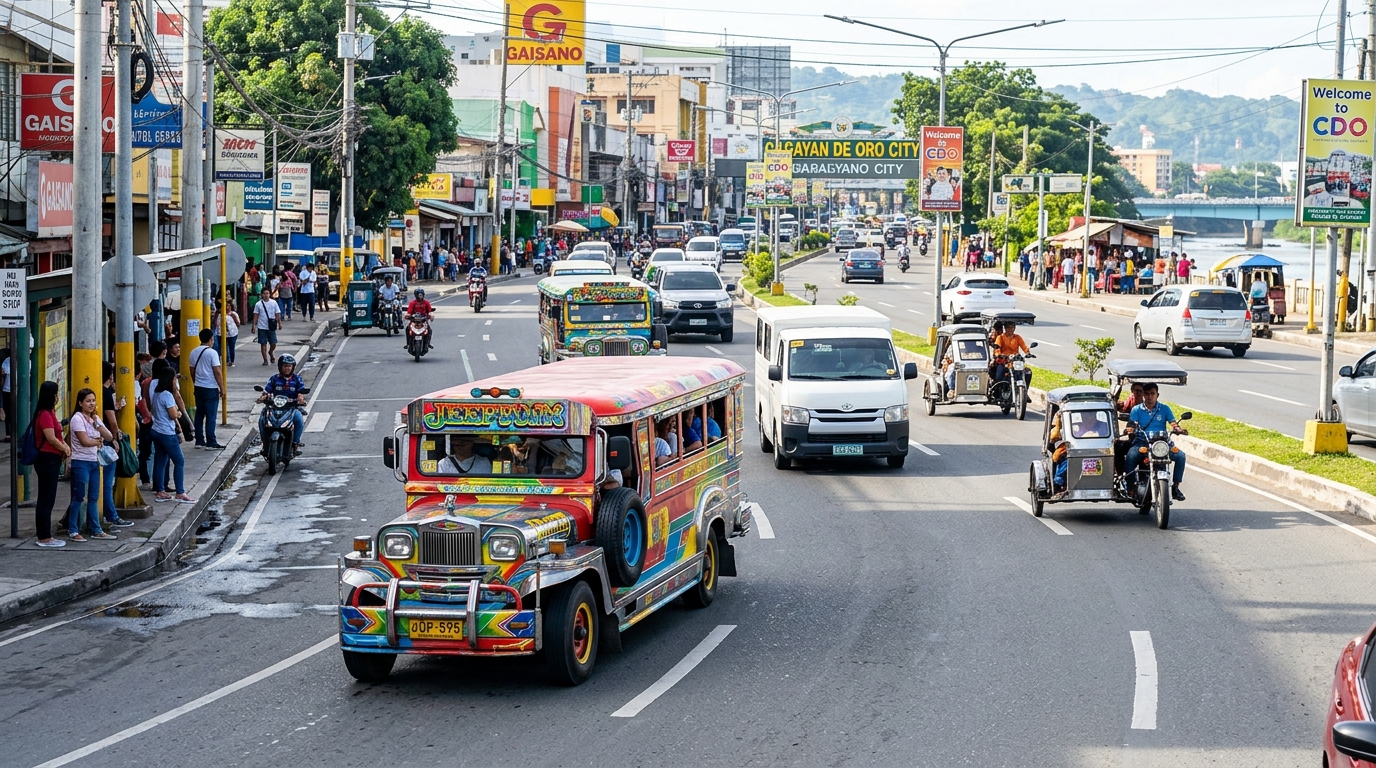
For Cagayan de Oro, a city that relies heavily on tourism as a key economic driver, the swift return of jeepneys and other public utility vehicles (PUVs) is a welcome development. It signals a quick recovery for the local transport network, which is the lifeblood for thousands of commuters and visitors navigating the city's bustling streets and scenic corridors.
Swift Resolution Ensures Minimal Disruption to Visitors
The decision to end the strike came as a practical move by Manibela to allow its members to consolidate and comply with new route master list requirements. This early resolution was critical in ensuring that any potential logistical challenges for travelers were kept to a minimum.
In previous transport actions, local authorities and the Land Transportation Franchising and Regulatory Board (LTFRB) have activated contingency plans to keep the city moving. The presence of alternative modes of transport, such as the three-wheeled "bao-bao" and "habal-habal" motorcycle taxis, has proven effective in bridging service gaps. This latest strike’s early conclusion further prevented any significant, lasting impact on the city’s tourism flow.
A City’s Tourism Sector Breathes a Sigh of Relief
The seamless return to normalcy is particularly significant for Cagayan de Oro, which has been steadily expanding its tourism portfolio beyond its famous white-water rafting. The city is a bustling hub for both leisure and business travelers, serving as a gateway to Northern Mindanao.
Reliable public transport is essential for tourists looking to explore the city's diverse attractions. These include the heritage-themed Lunhaw green corridor at Divisoria, the emerging eco-adventure sites like the Bungkalalan River, and a growing number of culinary hotspots. The quick restoration of PUV services ensures that visitors can continue to move freely between the airport, hotels, and these destinations without prolonged inconvenience.
Furthermore, the strike's early resolution helps preserve the confidence of tour operators and transport cooperatives that play a vital role in the local tourism ecosystem. As the city looks forward to a series of major infrastructure projects designed to further boost connectivity—including the planned Bus Rapid Transit (BRT) system linking Laguindingan Airport to key areas—a stable and reliable transport network is more critical than ever.
The Road Ahead
While the strike has concluded, the underlying concerns of high fuel prices and operational costs remain. Manibela has indicated that future protests may still be possible, depending on the movement of oil prices. However, for now, the city’s focus is firmly on recovery and growth.
With the immediate disruption resolved, Cagayan de Oro is back to business as usual—ready to welcome visitors and showcase the warmth and resilience that define the "City of Golden Friendship."