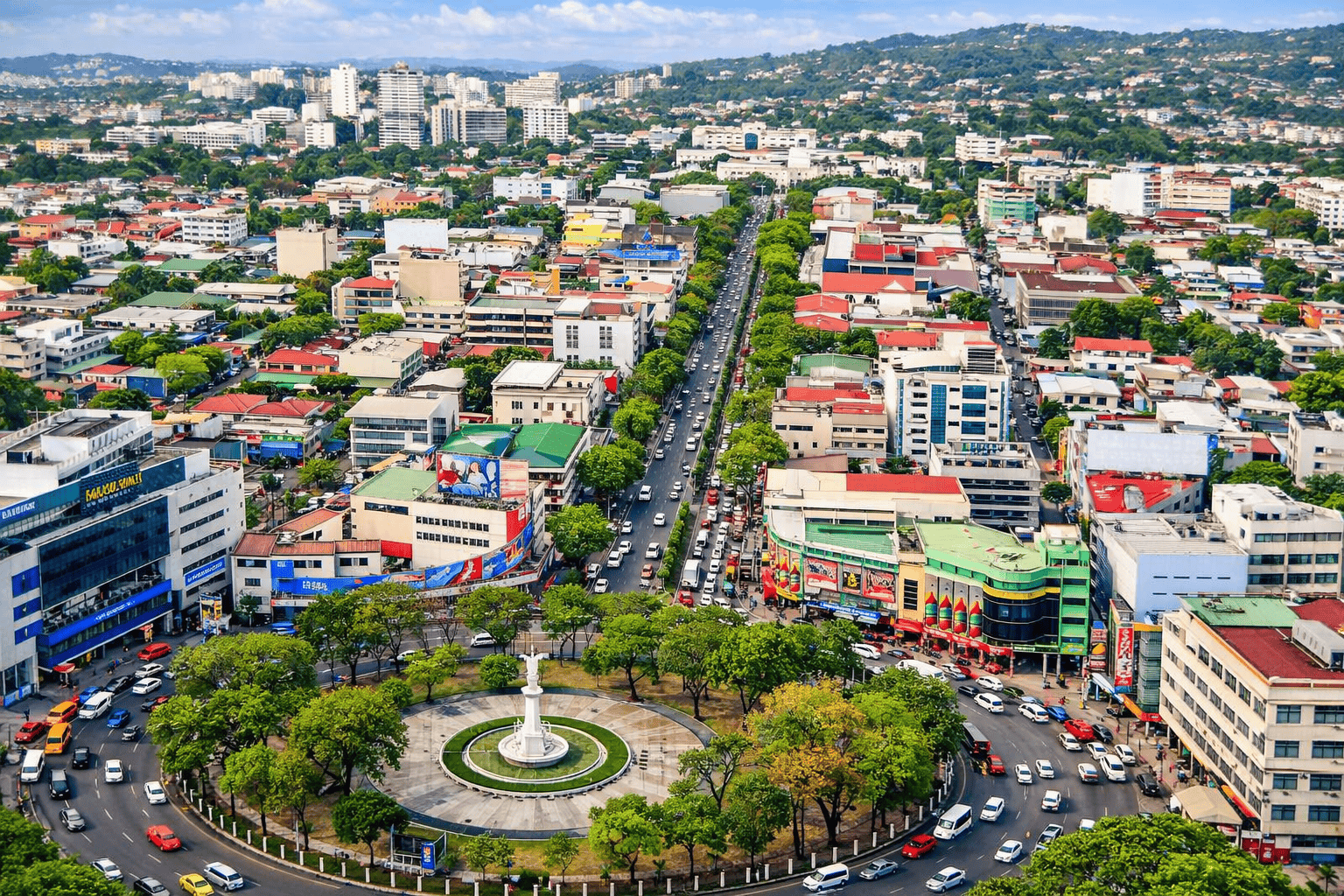
CEBU CITY — In a national real estate landscape marked by softening demand and cautious developers, one market continues to tell a different story. While certain segments in Metro Manila are entering a buyer’s market and provincial take-up slows elsewhere, Cebu is demonstrating a resilience that industry analysts attribute not to hype, but to deeply rooted structural demand.
“Cebu is not an oversupplied market,” said Jose Soberano, chairman of Cebu Landmasters Inc. (CLI), one of the province’s leading developers. “This is an end-user market where people buy homes to live in and protect as long-term investments.” That distinction matters. Unlike markets driven by speculative flipping, Cebu’s property sector is anchored by families, professionals, and overseas Filipino workers (OFWs) seeking permanent homes and stable assets.
The numbers bear this out. From 2016 to 2025, residential lot prices in Cebu rose by an average of 7 percent annually, with some premium projects posting compound annual growth rates as high as 27 percent. As of early 2026, the Bangko Sentral ng Pilipinas (BSP) reported that Metro Cebu residential prices grew approximately 10 percent year-on-year, outpacing most other regions.
What’s Supporting Cebu’s Resilience?
- Strong end-user market. Developers across Cebu report consistently low cancellation and delinquency rates, reflecting a buyer base that treats property as a long-term investment rather than a short-term speculation. In 2025, the affordable to lower mid-income segment (₱2.5 million to ₱7 million) accounted for two-thirds of all condominium units sold in Cebu, driven largely by end-users and first-time investors.
- Continuous infrastructure expansion. The Cebu Bus Rapid Transit (BRT) system began partial operations in late 2025, with Package 1 now 97.67 percent complete and expected to serve 34,000 passengers daily. Neighborhoods along its 13-kilometer route from the South Road Properties (SRP) to IT Park are already seeing price premiums. Beyond BRT, the Metro Cebu Urban Mass Rapid Transit—a 67.5-kilometer railway connecting Danao City to Carcar City—is undergoing feasibility studies, while the New Cebu International Container Port and Mactan-Cebu International Airport’s ongoing expansion continue to enhance regional connectivity.
- Growth in tourism, BPO, and logistics. Cebu’s office vacancy rate fell to 11 percent in 2025 from 16.6 percent in 2024, driven by strong leasing activity from BPOs and multinational firms. In 2025 alone, Cebu accounted for 150,000 square meters—or 55 percent—of provincial office take-up, representing 33 percent year-on-year growth. SM Prime is adding over 60,000 square meters of leasable office space in Cebu City by the fourth quarter of 2026, banking on surging demand in the country’s fastest-growing regional office market outside the capital.
On the tourism front, Mactan-Cebu International Airport handled over 2.43 million passengers in the first two months of 2026, a 17 percent increase from the same period in 2025. The newly inaugurated ₱1.5‑billion Mactan Expo convention center, capable of accommodating nearly 3,000 people, positions Cebu as a major Meetings, Incentives, Conventions, and Exhibitions (MICE) destination.
- Limited prime land supply in strategic locations. Prime land in Cebu City’s key growth corridors is nearing full saturation. In hotspots like the South Road Properties (SRP), price appreciation has exceeded 15 percent year-on-year. The 58‑hectare City di Mare development at SRP has only eight hectares of prime commercial land remaining, divided into just 25 exclusive lots. This scarcity naturally supports price stability and long-term appreciation.
- Increasing investor confidence outside Metro Manila. A 2026 Colliers report highlighted Cebu, alongside Pampanga and Iloilo, as an emerging active business hub. Developers are increasingly steering expansion outside the capital, with Cebu emerging as a priority market for new malls, lifestyle centers, and foreign retail entrants.
What This Means for Buyers and Investors
A “slowing market” does not always mean declining value. In many cases, it signals more disciplined pricing, fewer speculative transactions, and stronger, more stable demand. For investors, this environment offers several advantages:
- Negotiation power. Buyers in Cebu can typically negotiate 6 to 12 percent off listing prices, with houses and luxury properties offering the most room for bargaining.
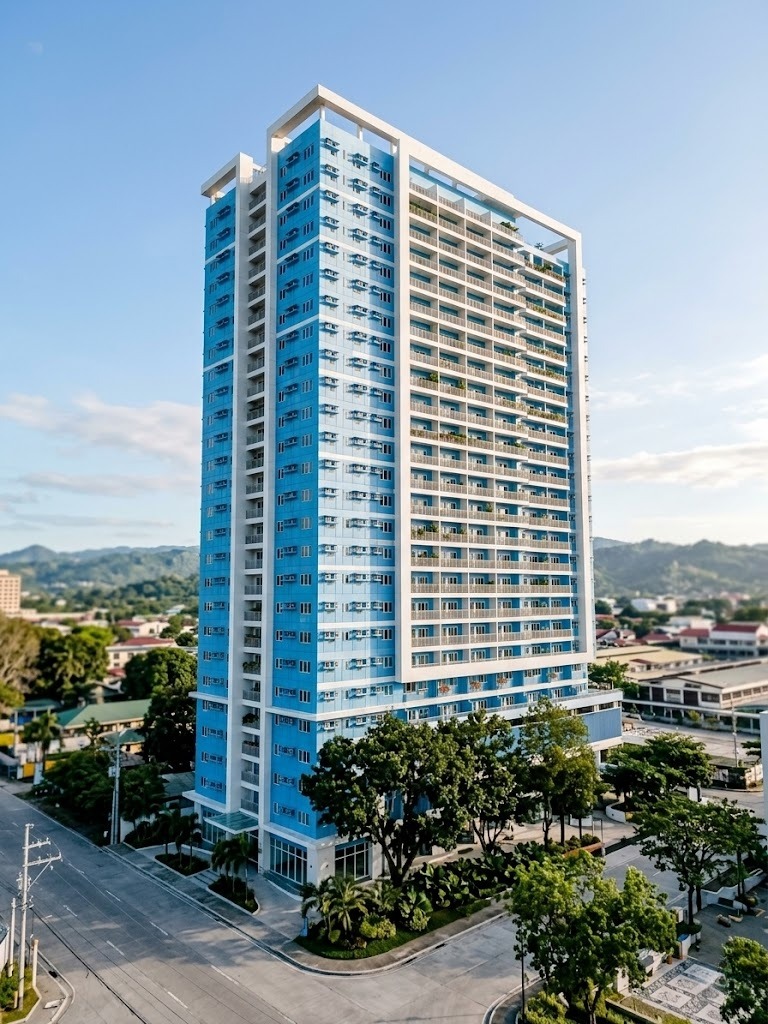
- Attractive rental yields. Condos in prime areas like IT Park and Cebu Business Park generate rental yields ranging from 5 to 7 percent annually, with some well-located units reaching 8 to 10 percent.
- Long-term appreciation. From 2016 to 2025, residential lot prices in Cebu rose by an average of 7 percent annually.
Fast growth attracts attention. But consistent performance builds wealth. Cebu’s ability to hold value—even during slower cycles—is what makes it one of the most watched real estate markets in the country. As the Bangko Sentral ng Pilipinas policy rate sits at 4.5 percent as of December 2025, mortgage financing remains more accessible than during the tighter period of 2023–2024. For buyers and investors with a long-term view, the current window presents a compelling entry point into a market that has consistently rewarded patience.