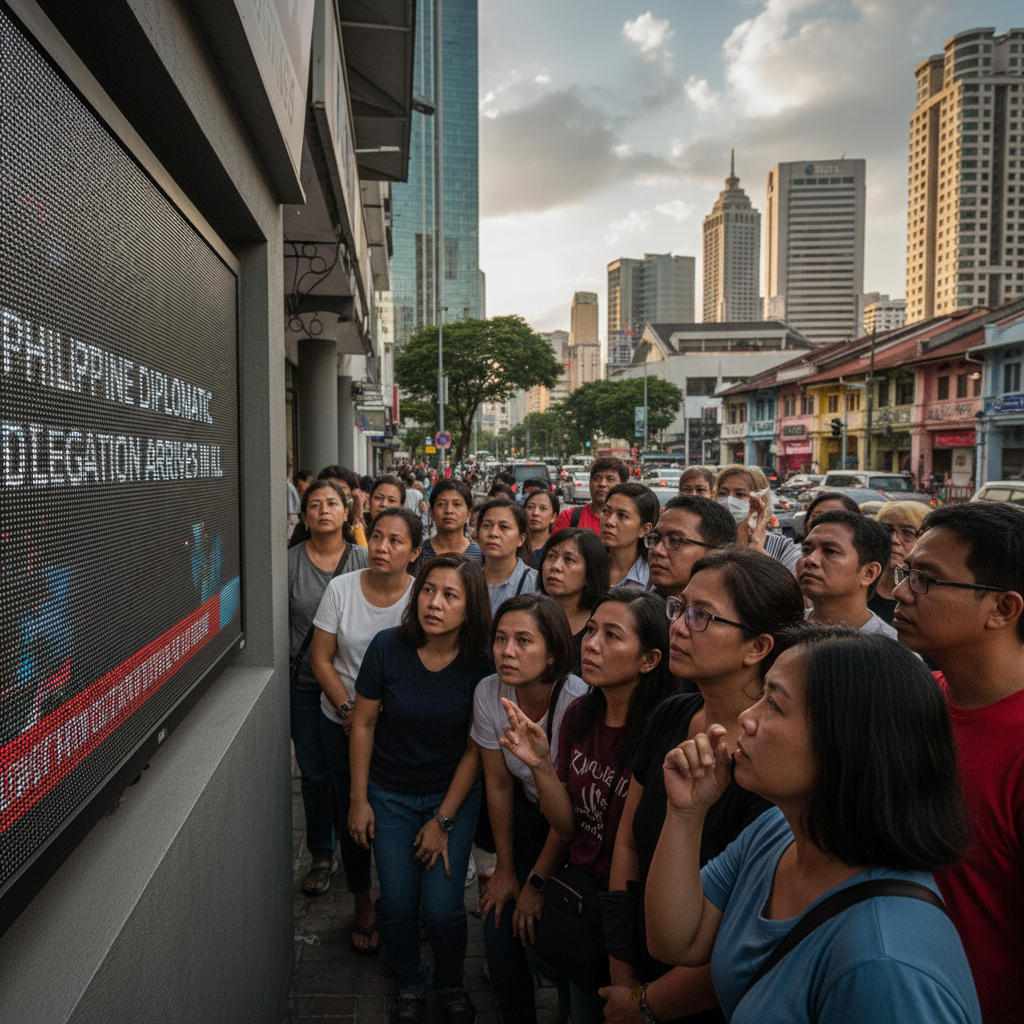
Cebu, Philippines, is poised to become a focal point for regional diplomacy and economic collaboration as Malaysian Prime Minister Anwar Ibrahim confirms his attendance to lead a high-level delegation for the upcoming 48th ASEAN Tourism Forum (ATF). This significant visit underscores the deepening ties within Southeast Asia and places the Philippines at the heart of discussions crucial for the region's burgeoning tourism industry.
Strengthening the BIMP-EAGA and ASEAN Connectivity
The ASEAN Tourism Forum is an annual event that convenes tourism ministers, national tourism organizations, and private sector stakeholders from across the ten member states of the Association of Southeast Asian Nations. Its primary objective is to promote the region as a single tourism destination, fostering collaboration, sharing best practices, and addressing challenges facing the industry. Prime Minister Anwar Ibrahim's leadership of the Malaysian delegation highlights his nation's commitment to regional integration and the strategic importance of tourism to its economy. Hosting the ATF in Cebu offers a unique opportunity for the Philippines to showcase its vibrant culture, world-class destinations, and readiness to welcome international visitors. It also provides a vital platform for bilateral meetings between the Malaysian and Philippine delegations, potentially leading to new agreements on trade, investment, and, crucially, labor cooperation, which is often a key agenda item when high-level officials from both countries meet.
Energy Security and Foreign Direct Investment
For the Philippines, especially its robust tourism sector, hosting an event of this magnitude can translate into substantial economic benefits. Increased global visibility for Cebu and other Philippine destinations, potential foreign investments in hospitality and related services, and enhanced regional partnerships are all on the table. Malaysia is a significant trading partner and a host country for many overseas Filipino workers (OFWs), making high-level engagements like this pivotal for maintaining strong diplomatic and economic relations. Discussions at the forum could influence policies that impact travel, trade, and even the mobility of skilled workers within the ASEAN bloc.
Bilateral Agreements and Labor Protection
Filipinos, both within the country and those working abroad, should view this event as a positive indicator for regional stability and economic growth. A thriving tourism sector across ASEAN means more job opportunities in hospitality, travel, and related industries, both at home and potentially in neighboring countries. Overseas Filipino Workers currently in Malaysia or those considering opportunities there may see benefits from strengthened bilateral ties, including improved labor agreements and a more stable environment for their remittances. Moreover, the focus on tourism development could stimulate local economies, providing new avenues for small businesses and entrepreneurs in the Philippines.