



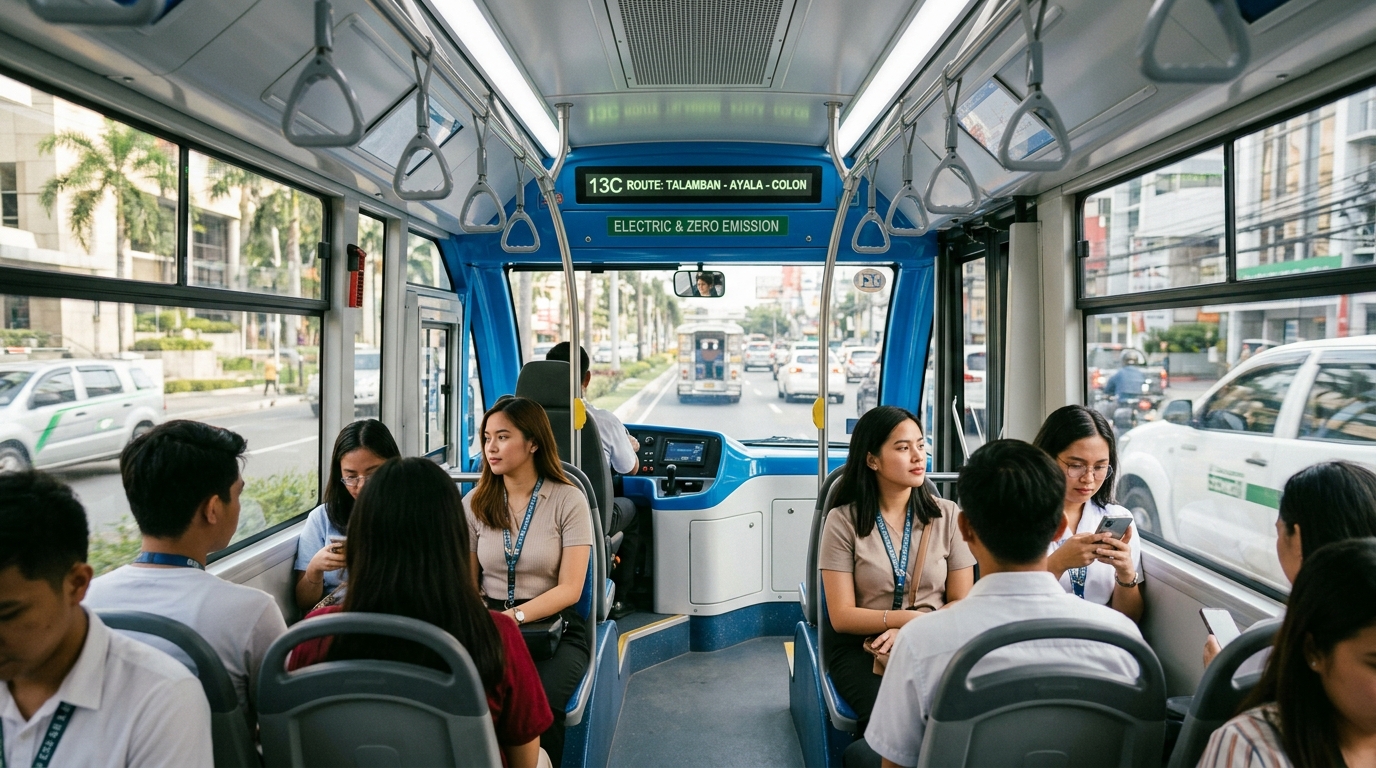
The streets of Cebu City are humming with a new kind of energy this April. While traditional and diesel-modernized fleets struggle with soaring fuel costs, a silent, air-conditioned revolution is taking over the Talamban-to-Colon corridor, proving that the future of Cebuano commuting isn't just modern—it's electric.
The Silent Takeover of the 13C Route
For the Cebuano commuter, the story is about the ultimate upgrade in daily comfort. As of mid-April 2026, the iconic 13C route—stretching from Pit-os and Talamban through Ayala and down to Colon—has seen a surge in the deployment of fully electric COMET vehicles. Unlike their diesel counterparts, these EV Modern Jeeps offer a near-silent ride, high-capacity air conditioning, and a vibration-free experience that is quickly making them the preferred choice for students and professionals alike. This shift is turning the city's longest and most congested routes into a testing ground for zero-emission urban living.
Economic Immunity to Fuel Price Spikes
This movement is driving a new era of financial stability for transport operators, especially as traditional fuel prices hit record highs this month. While nearly 70% of the city's diesel-modernized fleet has faced service cuts due to Middle East supply tensions, the electric 13C units remain fully operational thanks to their reliance on the local power grid. By bypassing the "boundary system" in favor of fixed-salary drivers and centralized charging, the GET ecosystem ensures that fares remain stable for the public. This resilience is proving to be the "silver bullet" for a transport sector that was previously at the mercy of global oil markets.
Smart Tech and Inclusive Design
The 2026 EV Jeep is more than just a battery on wheels; it is a mobile hub of smart-city technology. Each 13C electric unit is equipped with the GETPASS app system, allowing for seamless cashless transactions and real-time fleet tracking that lets passengers know exactly when the next ride is arriving. Furthermore, these vehicles are the first in the fleet to feature PWD-accessible ramps and designated seating, ensuring that "modernization" includes every member of the community. As Cebu targets a total of 1,000 electric units by 2029, the current 13C rollout serves as the primary blueprint for the entire Philippine transport evolution.
