DAVAO CITY — The magnitude 7.8 earthquake that struck Mindanao has passed, but authorities are urging residents across Davao Region to remain vigilant. Strong aftershocks and hidden structural damage can continue to pose serious risks long after the ground stops shaking. Safety does not end when the trembling subsides; careful inspection and preparedness are now essential to protect lives and property.
The first priority is checking family members for injuries. Cuts, bruises, and fractures should be treated immediately, and serious cases must receive medical attention. Beyond personal safety, residents must prepare for aftershocks, which can occur minutes, hours, or even weeks after the main quake. These secondary tremors may further weaken already damaged buildings, so staying alert and ready to evacuate remains critical.
Inspecting Your Home and Surroundings
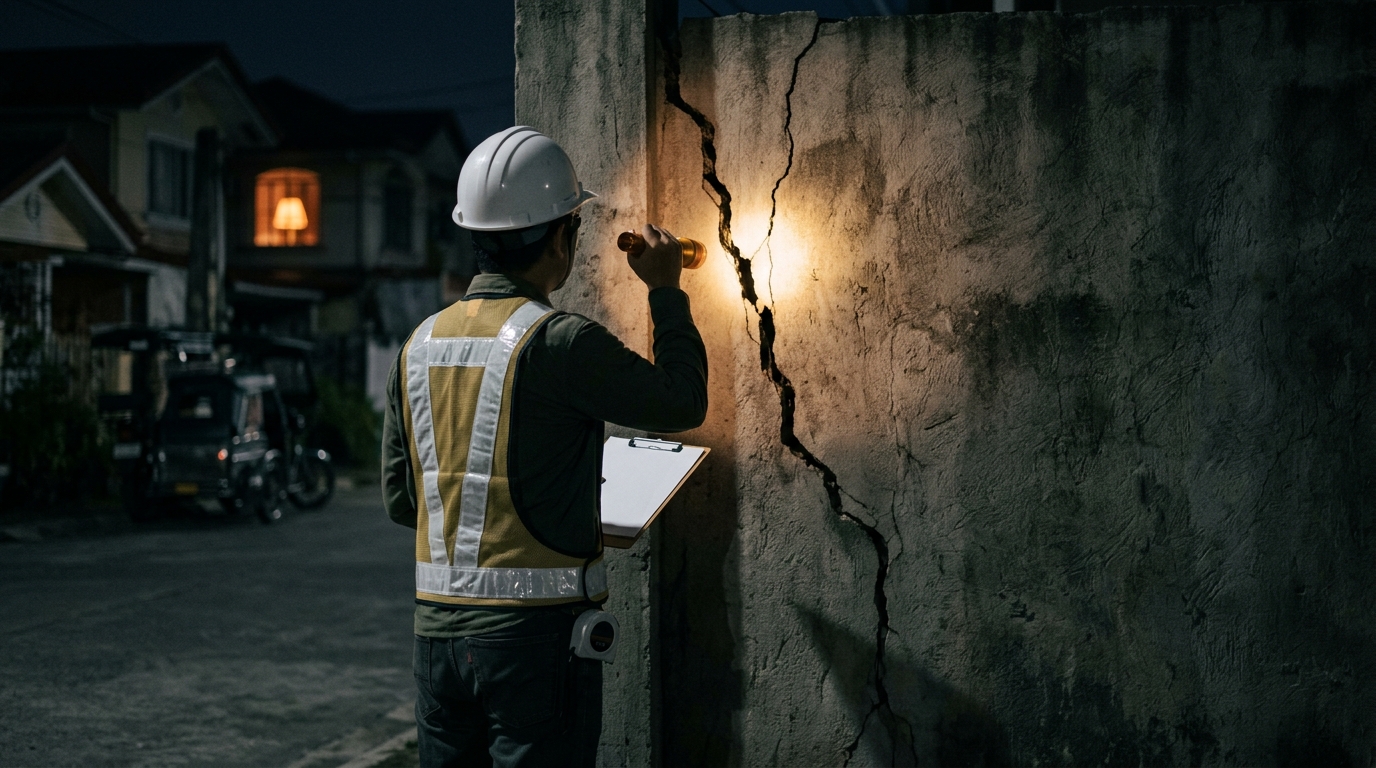
Every household should conduct a thorough inspection of their home. Look for large cracks in walls, columns, and beams, leaning walls or posts, damaged ceilings, and broken windows. Doors and windows that no longer open properly can signal structural shifting. If significant damage is visible, avoid re‑entering the building until qualified engineers or local authorities have assessed its safety.
Utility connections also require immediate attention. Gas lines, electrical wiring, and water pipes should be checked for leaks or damage. If a gas leak is suspected, turn off the supply immediately and avoid using electrical switches. Damaged electrical systems increase the risk of fires, making this check particularly urgent. Loose shelves, cabinets, and hanging objects should be secured to prevent them from falling during aftershocks.
Staying Safe in the Aftermath
Even if a building appears intact from the outside, hidden damage may exist inside its structure. Authorities advise residents not to enter damaged buildings until proper assessments have been completed. Falling debris remains a significant hazard, so staying away from compromised structures is a necessary precaution.
Residents should also verify their emergency supplies. Every household needs a kit containing drinking water, food, flashlights, batteries, medicines, power banks, important documents, and communication devices. Any items used during the emergency should be restocked immediately. Being prepared reduces panic and ensures that families can sustain themselves if aftershocks disrupt daily life.
Following Official Advisories
Monitoring official channels is essential for staying informed. PHIVOLCS, the Office of Civil Defense, local government units, and disaster management offices provide critical updates on aftershocks, damaged areas, evacuation centers, and safety measures. Following these advisories ensures that residents receive accurate, timely information.
Community preparedness plays a vital role in recovery. The Philippines lies along the Pacific Ring of Fire, making earthquakes a recurring reality. Experts emphasize that awareness and prompt safety checks significantly reduce risks and help communities recover more quickly. As Dabawenyos resume their daily routines, the message from authorities remains clear: vigilance, careful inspection, and adherence to official guidance are the keys to staying safe.