DAVAO CITY — For decades, reaching the white-sand beaches and lush interiors of Samal Island meant enduring ferry queues, unpredictable schedules, and at least half an hour of waiting. That era is rapidly drawing to a close.
The Samal Island–Davao City Connector (SIDC) Bridge — a landmark ₱23‑billion infrastructure project — has officially surpassed the halfway mark. As of February 25, 2026, actual construction accomplishment reached 53.473%, exceeding the scheduled 49.536% and posting a positive slippage of nearly 4%. For tourism stakeholders across the Davao Region, each percentage point brings the island closer to a long‑awaited tourism boom.
From Hour‑Long Ferry to Five‑Minute Drive
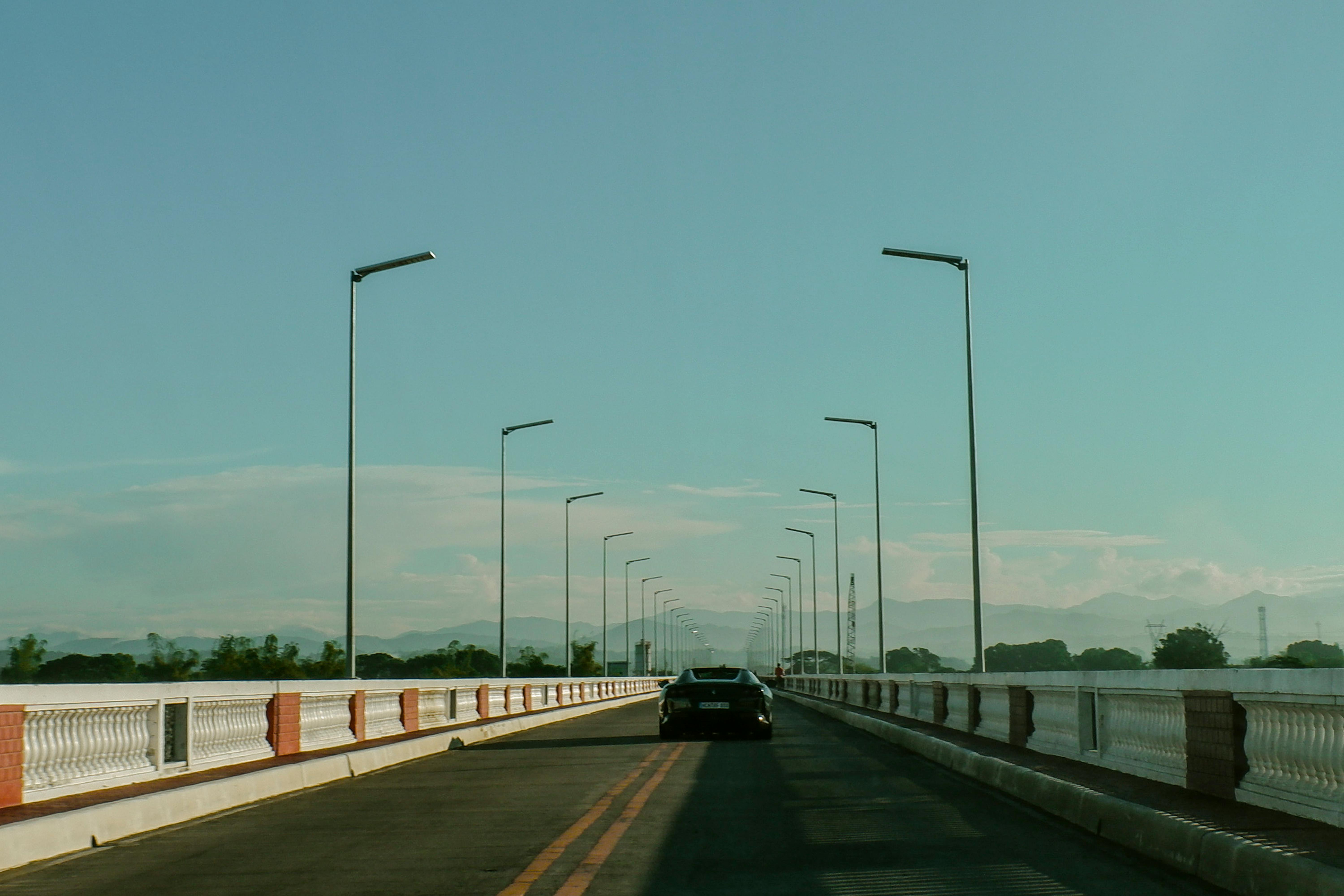
The numbers tell a compelling story for travelers. Once completed, the 3.98‑kilometer, four‑lane cable‑stayed bridge will slash travel time between mainland Davao City and Samal Island from the current 30 to 50 minutes by ferry to a mere five minutes by car. With a vertical navigational clearance of 47 meters, the bridge is designed to accommodate up to 25,000 vehicles daily, removing the logistical bottlenecks that have long constrained the island’s tourism potential.
A Tourism Windfall Backed by Hard Numbers
The economic case for the bridge is equally striking. A sensitivity analysis by the Department of Public Works and Highways (DPWH) shows that when tourism benefits are factored in, the project’s Economic Internal Rate of Return (EIRR) climbs to an impressive 17.38%. The base case already delivers a Benefit‑Cost Ratio (BCR) of 2.57 at a 9% discount rate — meaning every peso invested generates more than two and a half pesos in economic returns.
For local businesses, the implications are transformative. “Tourism‑oriented businesses, both large and medium‑scale, will likewise generate thousands of job opportunities, especially for locals,” a DPWH official earlier noted. Samal Island, already known for its pristine beaches, dive sites, and high‑end resorts like Discovery Shores Samal, is poised to attract a wider range of visitors — from day‑trippers to long‑stay tourists — who previously found the ferry crossing a deterrent.
Navigating Challenges, Staying on Course
The project has not been without hurdles. Environmental groups have filed a petition for a Writ of Kalikasan before the Supreme Court, raising concerns over potential damage to coral reefs in Paradise Reef and the Hizon Marine Protected Area. However, DPWH‑Davao has maintained that construction is progressing steadily, with environmental considerations integrated into the design and planning stages.
Funding also remains a concern. The DPWH has warned that work could face suspension by May 30, 2026, if budget allocations fall short, and the completion target has been adjusted from August 2027 to September 2028. Nevertheless, the project remains a flagship priority under the Marcos administration’s “Build Better More” program, with national support firmly behind its completion.
What This Means for Travelers
For tourists planning a visit to Davao in the coming years, the bridge promises a seamless island‑hopping experience. Imagine finishing a morning of white‑water rafting on the Davao River, crossing to Samal for an afternoon of beachfront relaxation, and returning to the city for evening dining — all without consulting a ferry schedule.
As Samal Island Mayor Lemuel Reyes has emphasized, the people of Samal have long desired better connectivity. “The bridge will bring easier transportation, faster medical service, tourism growth, business opportunities, and livelihood opportunities,” he said.
With the bridge now more than halfway complete and a submarine cable already delivering reliable power, the pieces are falling into place. Soon, the only question for travelers will be not how to get to Samal — but how soon they can return.