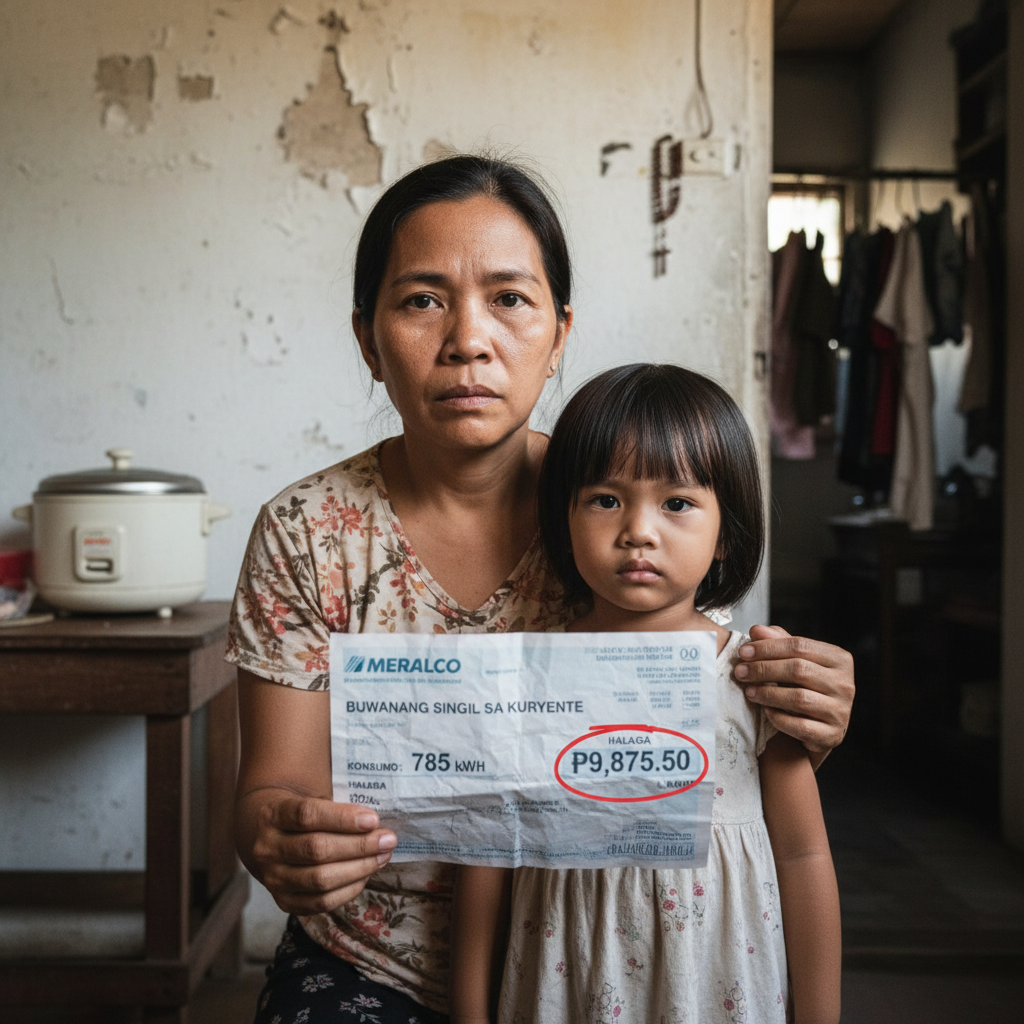
Filipino households across the archipelago are once again grappling with a significant rise in electricity costs, a recurring challenge that profoundly impacts daily life and economic stability. This latest surge in power rates, which is often a complex interplay of global and domestic factors, is placing renewed pressure on family budgets and the operational expenses of businesses, from small enterprises to large industries.
Navigating Global Volatility and the Weakening Peso
While specific figures from the latest Inquirer.net explainer are not detailed here, historical trends and expert analyses consistently point to several key drivers behind such spikes. These commonly include the fluctuating prices of imported fuel sources, particularly coal and natural gas, which power a substantial portion of the nation's energy grid. Additionally, unscheduled maintenance shutdowns or reduced output from major power plants can strain supply, forcing distributors to source more expensive power from the spot market. Seasonal peaks in demand, especially during hotter months, further exacerbate the situation, pushing prices upward as supply margins tighten.
Mitigating Economic Strain through Expanded Lifeline Subsidies
For millions of Filipinos, rising electricity bills translate directly into reduced disposable income, forcing difficult choices in household spending. This economic strain can ripple through communities, affecting everything from food consumption to educational expenses. Businesses, particularly small and medium-sized enterprises (SMEs), face increased operating costs, potentially leading to higher prices for goods and services, reduced profit margins, or even job cuts, impacting the broader Philippine economy. For the global Filipino community, particularly Overseas Filipino Workers (OFWs), this situation often means an added burden as they strive to send remittances to support families back home, who are directly feeling the pinch of higher utility expenses.
Strategic Shifts Toward Renewable Energy and Grid Resilience
Understanding the factors behind these price adjustments is crucial for informed decision-making. Filipinos both at home and abroad should be aware that the nation's energy future remains tied to global market dynamics and domestic infrastructure stability. While immediate solutions for individuals often revolve around energy conservation and efficient appliance use, broader advocacy for sustainable and diversified energy sources, along with transparent regulatory oversight, remains vital. OFWs, in particular, may need to factor these rising costs into their financial planning, ensuring their remittances can adequately cover their families' essential needs amidst the escalating cost of living in the Philippines.