



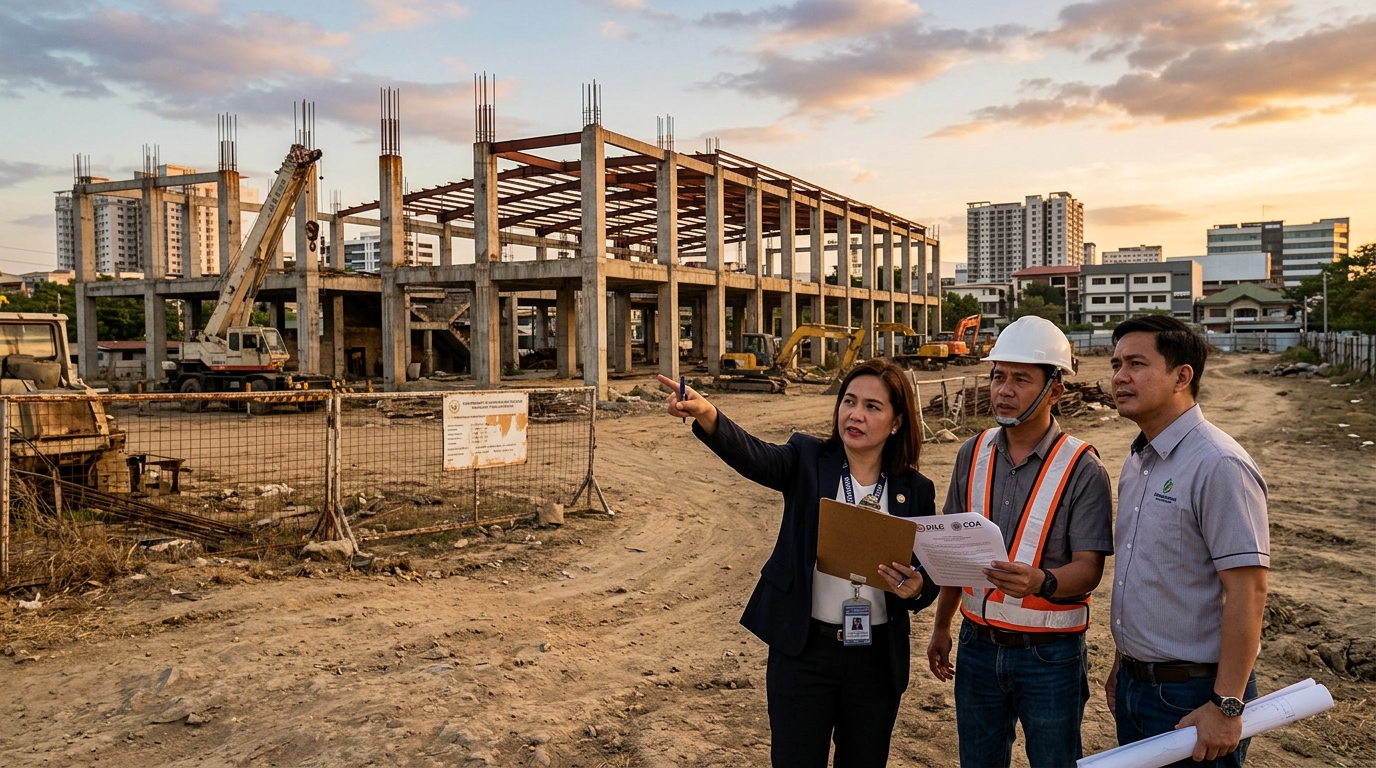
CAGAYAN DE ORO CITY — A looming threat to return a P250-million infrastructure fund has placed the city government under intense scrutiny, but real estate analysts and urban planners see an upside: the crisis is forcing long-overdue reforms that could ultimately strengthen investor confidence and unlock stalled projects.
The Department of the Interior and Local Government (DILG) has issued an ultimatum over a two-phase multipurpose facility that remains “not yet started” in the agency’s SubayBAYAN monitoring system — more than two years after the funds were transferred by the Department of Budget and Management (DBM) in May 2024. If requirements remain unmet, the P250 million could be reverted to the national treasury.
A Pattern of Underutilization
The DILG’s ultimatum is not an isolated incident. The Commission on Audit (COA), in its 2024 Annual Audit Report, flagged the city for an “extremely low” 4.47‑percent disbursement rate of its 20% Development Fund — spending only P22.33 million out of P500.14 million allocated for essential infrastructure and socio‑economic projects. The report also uncovered 241 stalled infrastructure projects worth P3.167 billion, with delays spanning up to five years.
Accountability as a Catalyst for Reform
While the headlines focus on potential fund reversions, property developers and business leaders see a silver lining: the crisis is pushing the local government to clean up its procurement and project management processes — essential steps for attracting long‑term real estate investment.
- Strengthened fiscal discipline: The DILG and COA’s joint pressure is compelling City Hall to fast‑track permits, resolve right‑of‑way issues, and secure Environmental Compliance Certificates (ECC) — requirements that, once met, will accelerate other public and private projects.
- Improved investor confidence: A city that demonstrates transparent and efficient use of public funds becomes a more attractive destination for residential and commercial developers. With several major real estate projects — including Megaworld’s Upper Central township and CLI’s One Manresa Place — already reshaping CDO’s skyline, consistent governance is key to sustaining that momentum.
- Unlocking the P3.1‑billion backlog: Addressing the 241 delayed projects could inject billions into the local construction sector, creating jobs and stimulating demand for building materials, labor, and ancillary real estate services.
A Chance to Reset
For real estate stakeholders, the current situation is a wake‑up call — but also an opportunity. A more accountable local government means fewer bureaucratic bottlenecks, faster project approvals, and a more predictable business environment.
As the DILG warned, failure to comply may lead to the reversion of funds. But if City Hall rises to the challenge, the result could be a more robust infrastructure pipeline that benefits developers, homebuyers, and the broader community.
