Cebu has officially cemented its status as the "Diplomatic Capital of the South" following the seamless conclusion of the 48th ASEAN Summit on May 11, 2026. Beyond the high-level handshakes between President Marcos Jr. and regional leaders like Thai Prime Minister Anutin Charnvirakul, the summit has triggered an immediate surge in "MICE" (Meetings, Incentives, Conferences, and Exhibitions) inquiries. Local business chambers report that the global exposure from hosting Southeast Asia's power players has already translated into a double-digit uptick in corporate bookings for the second half of 2026. This isn't just about politics; it’s a massive branding victory that positions Cebu as a sophisticated alternative to Manila for international trade and large-scale investment forums.
The Post-Summit Investment Wave
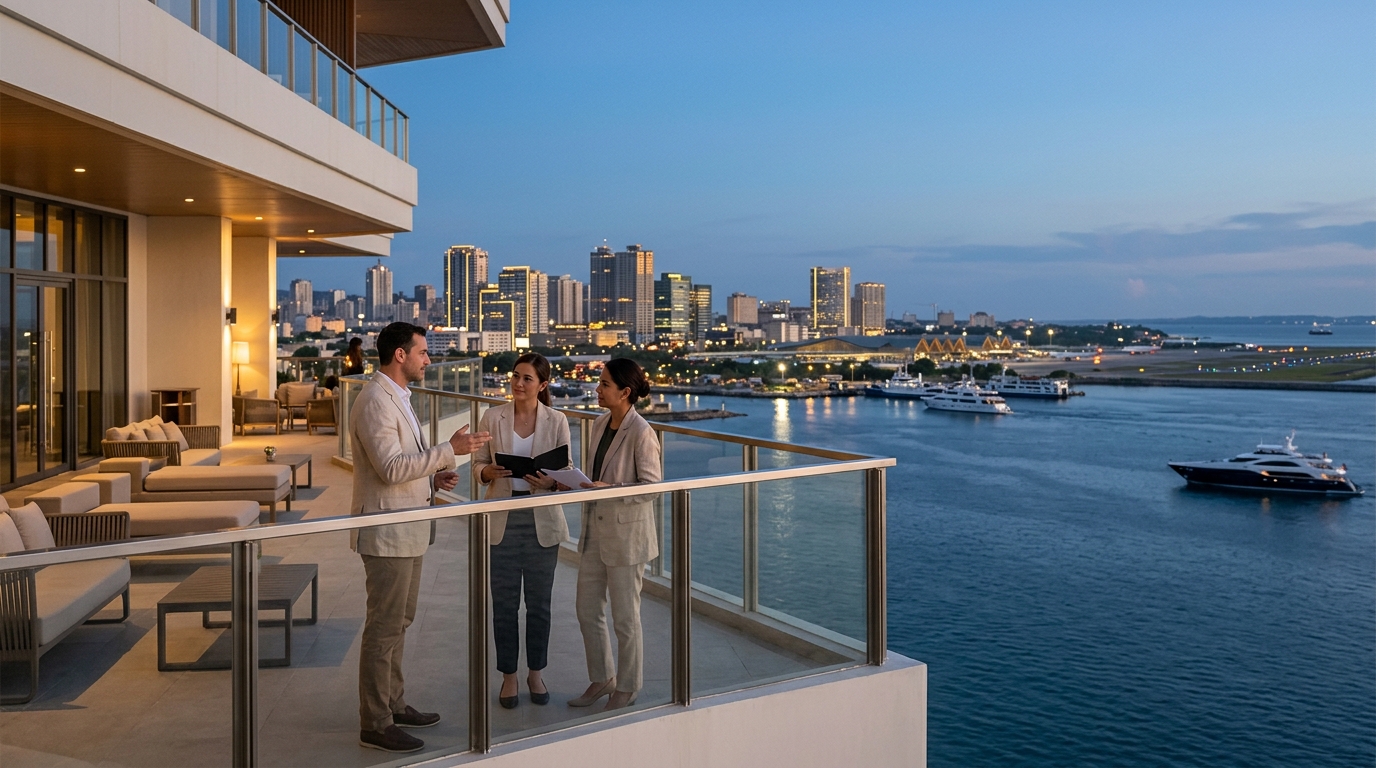
In the wake of the summit, Cebu City Mayor Nestor Archival confirmed on May 11, 2026, that the local government is already processing a fresh wave of inquiries regarding mountain tours and industrial investments. The summit served as a "live brochure" for the city's infrastructure readiness, showcasing everything from its modernized transport links to its luxury coastal resorts. Investors are particularly eyeing the South Road Properties (SRP) and the IT Park corridor, where land values are projected to rise as international firms seek to establish regional headquarters. This momentum is expected to bridge the gap between luxury hospitality and functional business real estate, creating a more balanced and resilient local economy.
Mactan’s MICE Recovery
The Lapu-Lapu Chamber of Commerce highlighted that hotels along the Punta Engaño strip were the primary beneficiaries of the summit, proving that the region can handle high-security, high-profile international delegations. While global leisure travel faces headwinds from fluctuating fuel prices, the "business of meetings" is providing a necessary safety net for Mactan’s hospitality sector. By bidding for MiceCon 2027, Cebu is doubling down on this niche, aiming to reclaim its pre-pandemic status as a top-tier regional destination for corporate incentives. This strategic pivot ensures that Mactan remains a high-value zone even when traditional tourist arrivals experience seasonal dips.
Aviation as the Economic Engine
Underpinning this growth is the Mactan-Cebu International Airport (MCIA), which continues to outpace expectations with its "gateway strategy" for 2026. On May 11, 2026, infrastructure partners emphasized that the summit's success has accelerated talks for more direct long-haul flights from non-ASEAN markets like Europe and the Middle East. This increased connectivity is crucial for sustaining the "experience economy," allowing international travelers to bypass Manila and land directly in the heart of the Visayas. As Cebu navigates its post-summit future, the synergy between diplomatic prestige and aviation efficiency is setting the stage for a decade of unprecedented urban expansion.