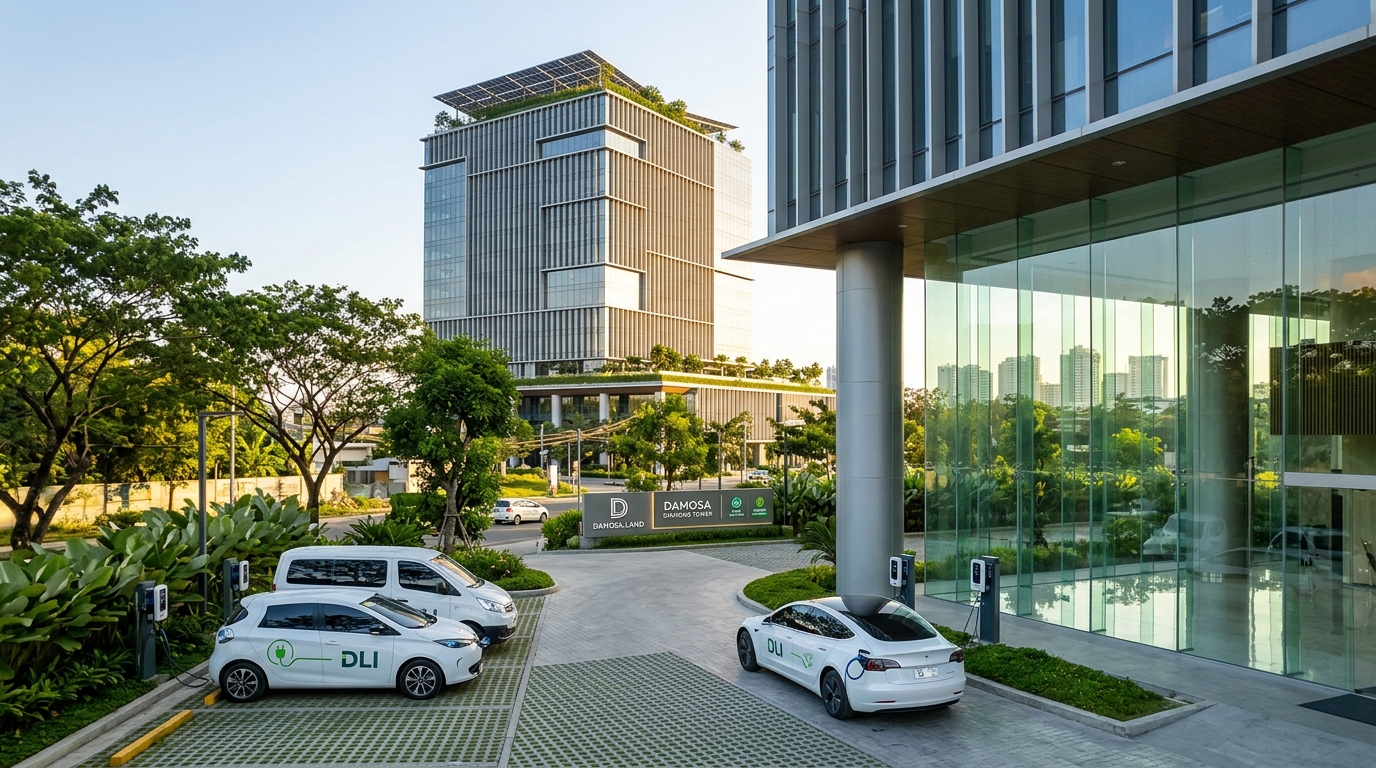
DAVAO CITY — A leading Mindanao-based developer is making a decisive move beyond traditional property development, placing electric vehicles (EVs) at the heart of its sustainability drive. Damosa Land Inc. (DLI) is integrating EVs into its daily operations, a shift that real estate analysts say is redefining how developers can influence environmental outcomes while enhancing the long-term value of their communities.
Beyond Buildings: Transportation as a Sustainability Lever
The integration of zero-emission vehicles is a natural extension of DLI’s long-standing commitment to eco-conscious design. By replacing conventional fleet vehicles with EVs, the company directly reduces its carbon footprint and contributes to cleaner air—benefits that extend to residents and workers within its projects. For a developer whose portfolio includes industrial estates, business parks, and residential communities, transportation accounts for a significant portion of overall emissions. Electrifying its fleet tackles that source head-on, signaling that sustainability is not merely a design feature but an operational principle.
A Track Record of Green Innovation
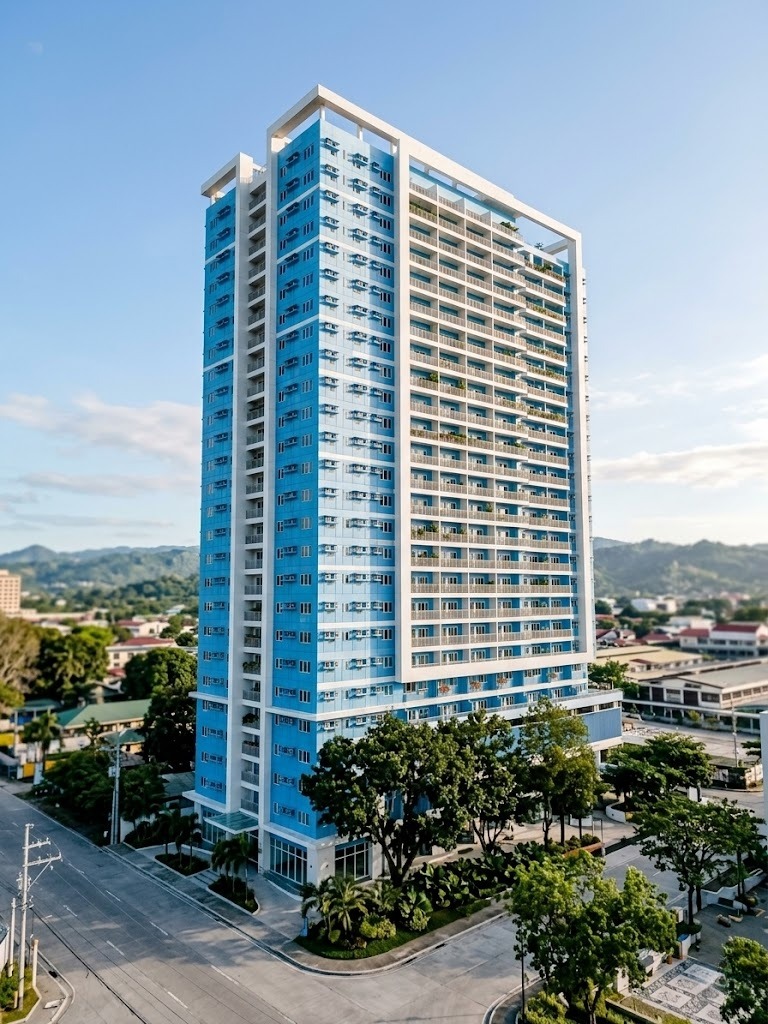
DLI’s embrace of EVs does not stand alone. The company has already earned recognition for embedding sustainability into its physical assets. The Damosa Diamond Tower in Davao City was certified as the first green building in Mindanao under both EDGE and BERDE standards. The 16-storey Grade A office tower features a green roof deck, solar panels, LED lighting, and exterior fins that aid insulation. In 2025, the tower received the BERDE Green Building Award from the Philippine Green Building Council, further cementing its status as a model for eco-conscious office development.
Other projects follow the same thread. Bridgeport, a 13-hectare marina community on Samal Island, incorporates low-density design, forest park and hiking trails that follow the natural slope of the land, and a clubhouse designed to harmonize with the coastal environment. Agriya Gardens, positioned alongside Bridgeport, integrates landscaped green spaces and sustainable infrastructure.
Perhaps the most distinctive is Kahi Estates, DLI’s first agri-residential project in Davao City. The 5-hectare development retains fruit-bearing trees, integrates urban gardens, and uses butterfly roofs for rainwater harvesting—features that blur the line between residential living and active environmental stewardship. DLI President Ricardo Lagdameo has described Kahi Estates as a model for all of the company’s sustainability efforts.
Industrial Scale, Green Principles
On the industrial front, the Anflo Industrial Estate (AIE) in Panabo City spans 63 hectares as a PEZA-accredited Special Economic Zone. The estate currently hosts 24 locators and has attracted global companies to the countryside. A new power substation is scheduled to begin operations in June 2026 to support the estate’s growing energy needs. By ensuring reliable and efficient power infrastructure, AIE reduces the operational carbon footprint of its locators while enabling the kind of industrial activity that drives regional economic growth.
What the EV Shift Means for Investors
For real estate investors and homebuyers, DLI’s adoption of EVs sends a clear signal about the direction of property development in Mindanao. Companies that integrate sustainability into both their products and their daily operations are better positioned to attract environmentally conscious tenants, secure green financing, and comply with tightening environmental regulations.
The move also aligns with national policy. President Ferdinand R. Marcos Jr. has directed the government to accelerate the integration of e-vehicles into the country’s transportation landscape. Developers who anticipate these shifts stand to gain a competitive edge as EV charging infrastructure becomes a standard amenity in residential and commercial properties.
A Vision for Mindanao’s Future
By embedding EVs into its operations and maintaining a portfolio of green-certified buildings, DLI is building a case that development and environmental care can advance together. For a region poised for rapid growth, that message matters. As DLI expands its footprint in 2026 across business parks, hospitality assets, and integrated communities, its commitment to sustainable transportation serves as a template for how real estate can lead—not follow—the transition to a low-carbon future.