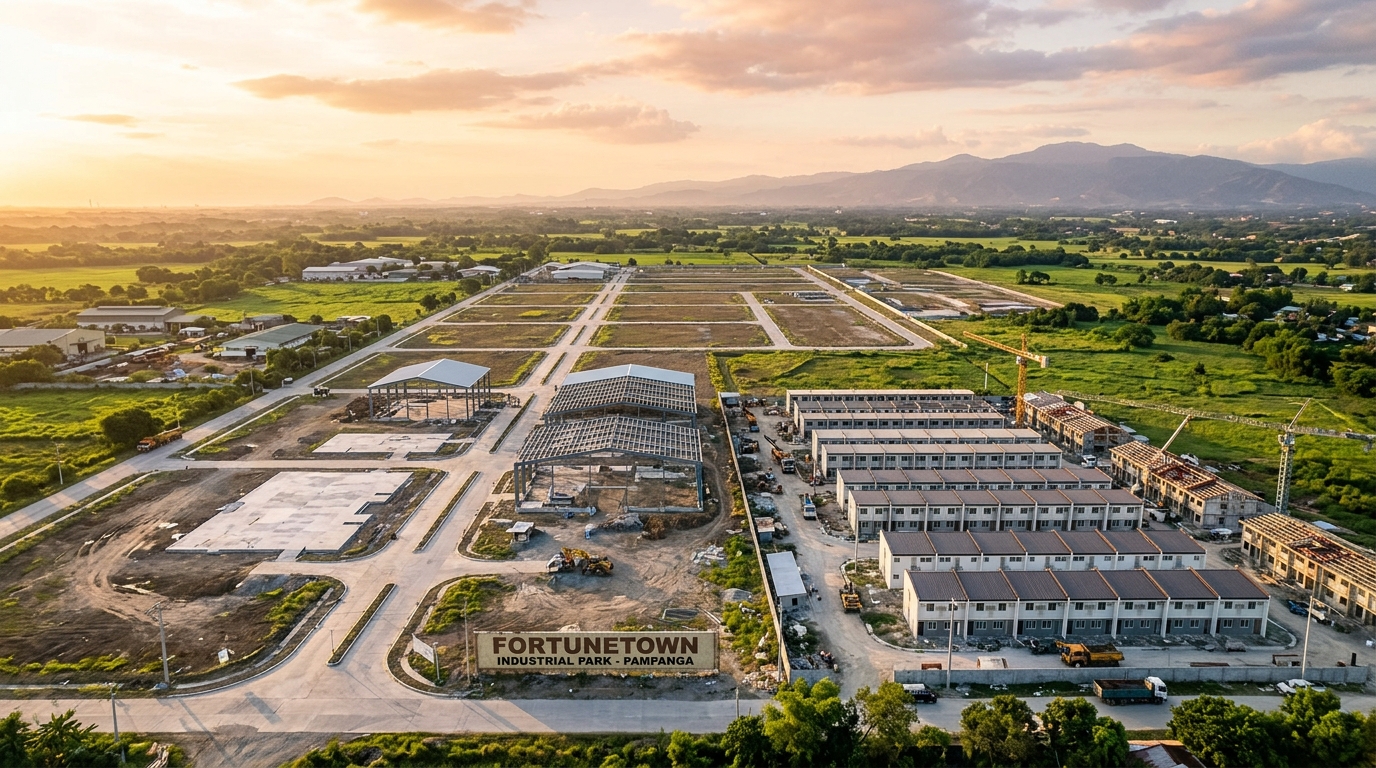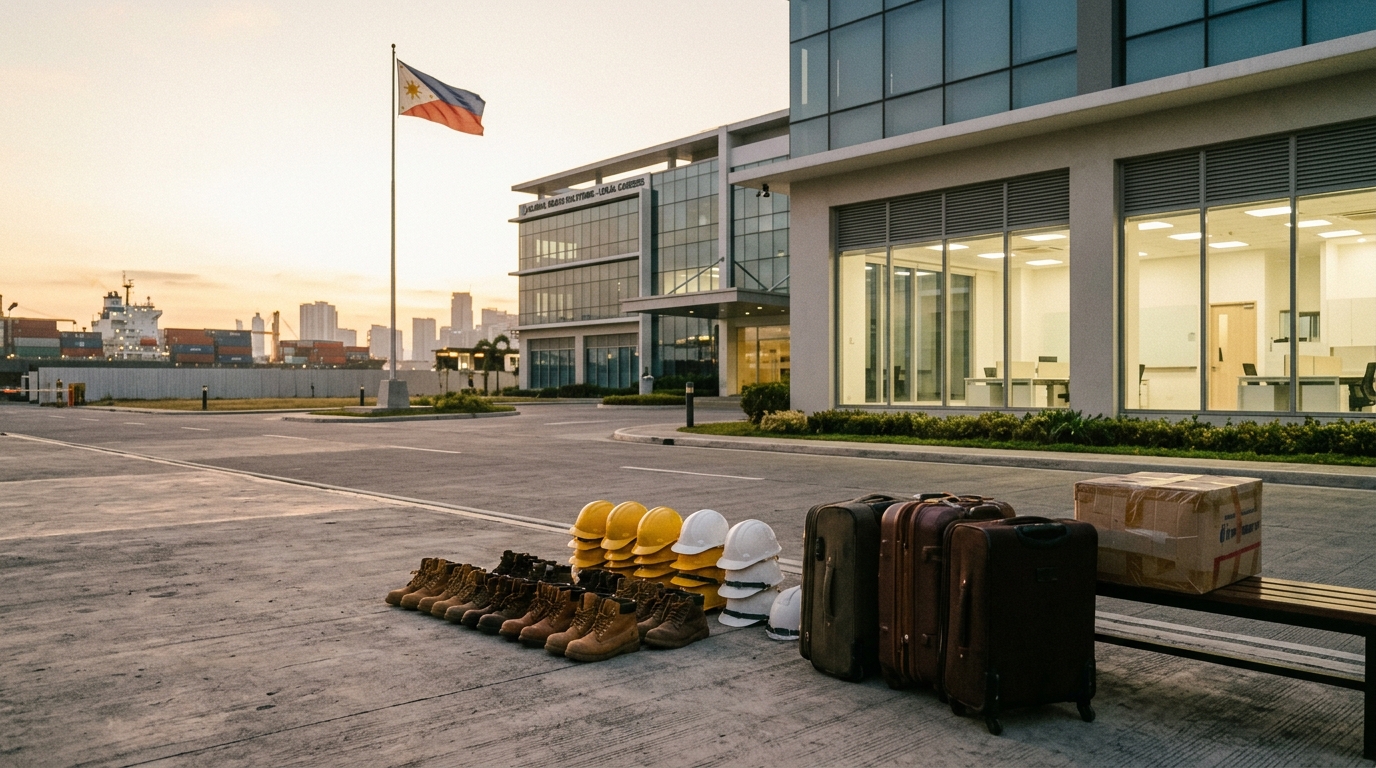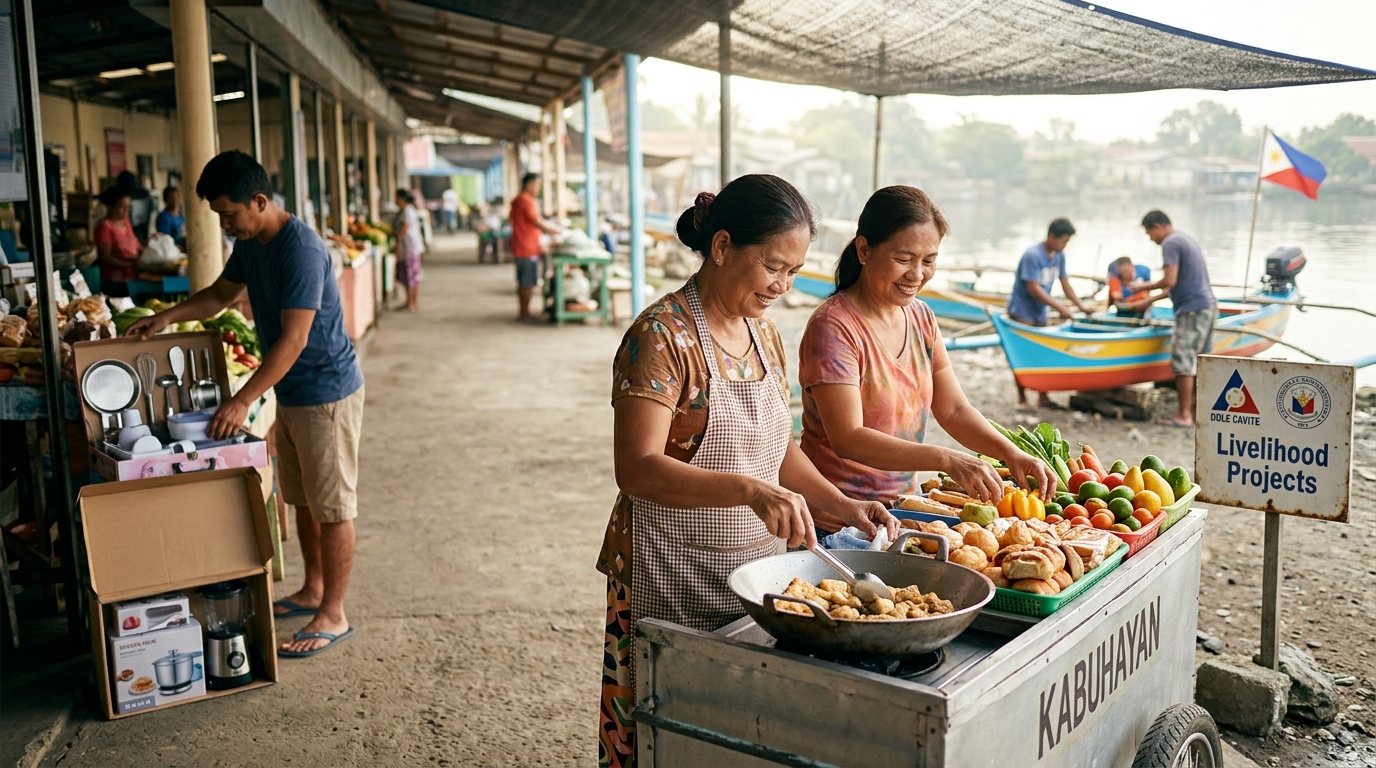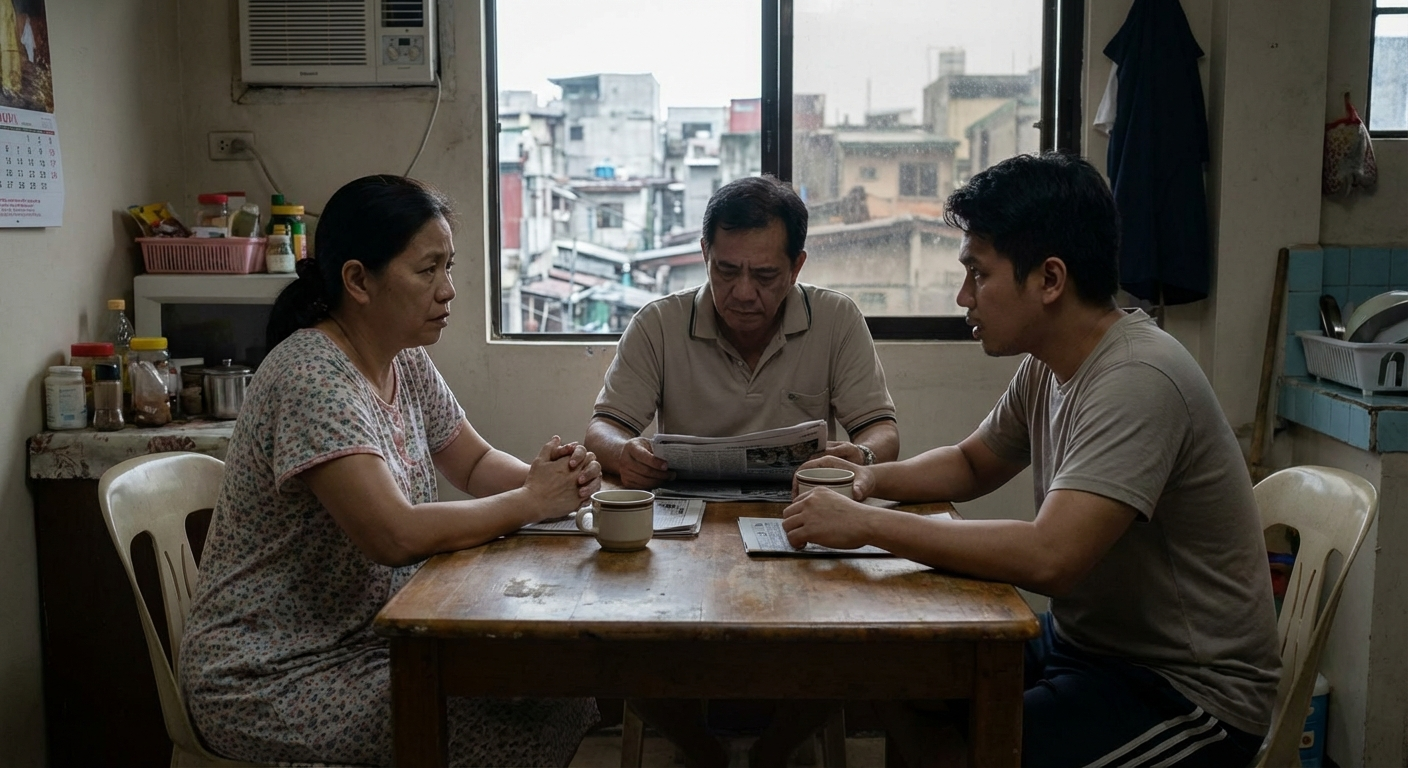
MANILA, Philippines – The aspirations for stable employment among many Filipinos face renewed challenges following a significant rise in the nation's unemployment rate. The Philippine Statistics Authority (PSA) announced on Friday that the jobless rate climbed to 5.8% in January 2026, marking its highest level in over three years. This figure signals a notable cooling in the labor market, particularly after the bustling holiday season. For countless Filipino families, both within the archipelago and those supported by Overseas Filipino Workers (OFWs) globally, this economic shift raises critical concerns about financial stability and future prospects. The 5.8% unemployment rate reflects a substantial increase, reversing a trend of declining joblessness observed in recent years. While a post-holiday dip in economic activity is often anticipated, the severity of this rise to a multi-year high suggests a more pronounced seasonal effect or potentially deeper underlying factors impacting job creation. This trend is especially pertinent for the Philippines, a nation where domestic employment and remittances from its vast OFW population are crucial drivers of economic growth. Why It Matters This uptick in unemployment has direct and tangible implications for the average Filipino household. A higher jobless rate translates into fewer opportunities for new graduates and those re-entering the workforce, intensified competition for available positions, and an increased likelihood of underemployment for those with existing jobs. For families relying on local incomes, this could mean reduced purchasing power and heightened financial strain. Furthermore, a challenging domestic job market might compel more Filipinos to seek employment abroad, potentially increasing the demand for OFW placements even as global economic conditions remain dynamic. The sustained creation of jobs is essential for the Philippines to maintain economic growth and alleviate poverty, making this PSA report a critical barometer for policymakers. What Filipinos Need to Know Filipinos, whether at home or as OFWs, must closely monitor these economic indicators. Those seeking employment within the Philippines may need to adapt by diversifying their skill sets or exploring sectors that continue to exhibit growth. For individuals considering overseas employment, understanding evolving global labor market demands and ensuring proper documentation and support will be more vital than ever. Government agencies like the Department of Labor and Employment (DOLE) and the Department of Migrant Workers (DMW) are expected to address these figures with targeted programs aimed at job creation, skills training, and enhanced support for overseas employment, prioritizing safe and fair migration pathways. Staying informed and adaptable remains key to navigating these evolving economic landscapes.