For years, despite a robust Filipino presence across Japan, the vibrant flavors of the Philippines have been notably underrepresented in the culinary landscape, especially when compared to the widespread popularity of Thai or Vietnamese eateries. However, a recent observation suggests this trend is beginning to shift, hinting at a potential culinary awakening for Filipino food in the Land of the Rising Sun.
Shifting Cultural Narratives and Overcoming Culinary Anomalies
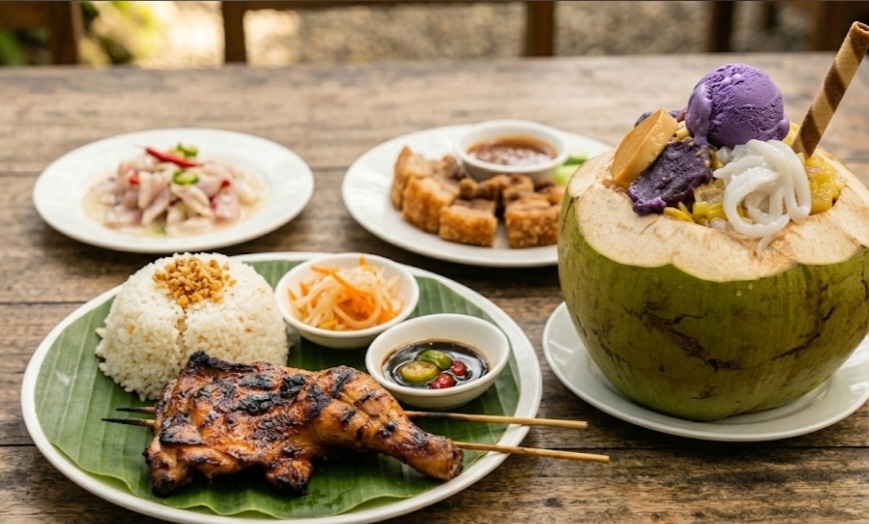
This emerging recognition represents more than just a gastronomic development; it reflects a broader cultural integration for the Filipino community in Japan. Historically, the absence of widespread Filipino restaurants has been a curious anomaly, given the substantial number of Filipinos residing and working throughout the archipelago. The observation, though general, points to a growing appreciation for dishes like adobo, sinigang, and lechon, which could soon join other Asian cuisines in gaining mainstream appeal among Japanese diners and the international community.
Shifting Cultural Narratives and Overcoming Culinary Anomalies
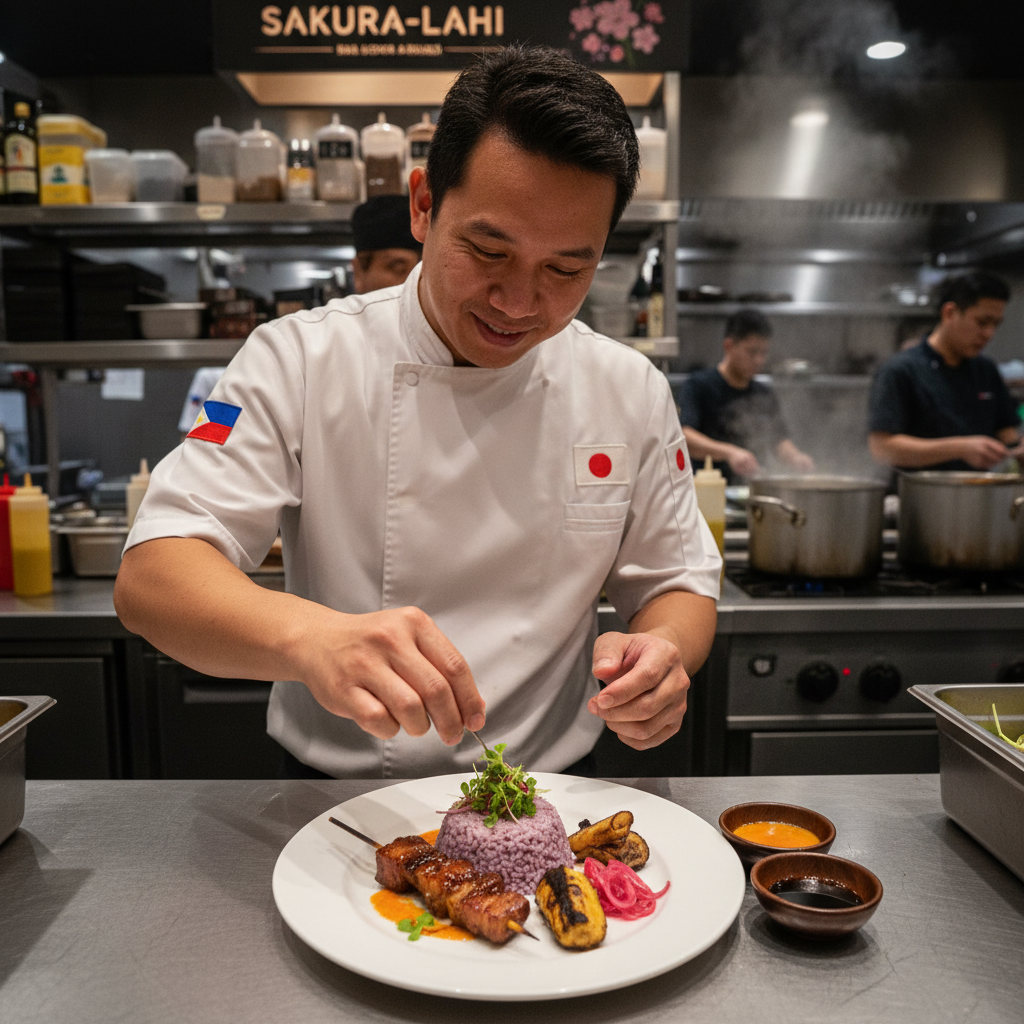
This potential surge in Filipino culinary visibility holds significant implications for Overseas Filipino Workers (OFWs) and the broader Filipino diaspora in Japan. Beyond cultural pride, the expansion of Filipino restaurants could create new job opportunities within the hospitality sector, from chefs and cooks to waitstaff and managers, directly benefiting Filipinos seeking employment or career advancement. It also empowers Filipino entrepreneurs to establish new businesses, contributing to the local economy while sharing their heritage. Furthermore, a stronger culinary presence helps bridge cultural gaps, allowing non-Filipinos to experience and understand the rich traditions and hospitality inherent in Filipino culture.
Seizing Opportunities in Japan’s Evolving Food Landscape
As this trend develops, it presents a unique opportunity for Filipinos in Japan. Supporting existing and new Filipino eateries is crucial for their growth. For aspiring entrepreneurs, the timing might be opportune to explore ventures in the food and beverage industry, tapping into a market potentially ripe for authentic Filipino flavors. For families back in the Philippines, this signifies a growing cultural footprint abroad, potentially fostering stronger ties and understanding between nations through the universal language of food. The journey of Filipino cuisine in Japan appears to be entering an exciting new chapter, signaling a brighter spotlight on the Philippines' rich culinary heritage.