ILOILO CITY — Iloilo City has done what few Philippine destinations have managed: it has been recognized globally for both its environmental stewardship and its tourism governance in the same month. The Department of Environment and Natural Resources confirmed that the city was named a Role Model City for the United Nations Environment Programme's Generation Restoration initiative, citing its mangrove rehabilitation efforts along the Iloilo River. Simultaneously, the city received the ASEAN Clean Tourist City Award for the 2026 cycle, a repeat of its 2020–2022 recognition. The awards affirm a city that has chosen to build its reputation not on spectacle but on systems.
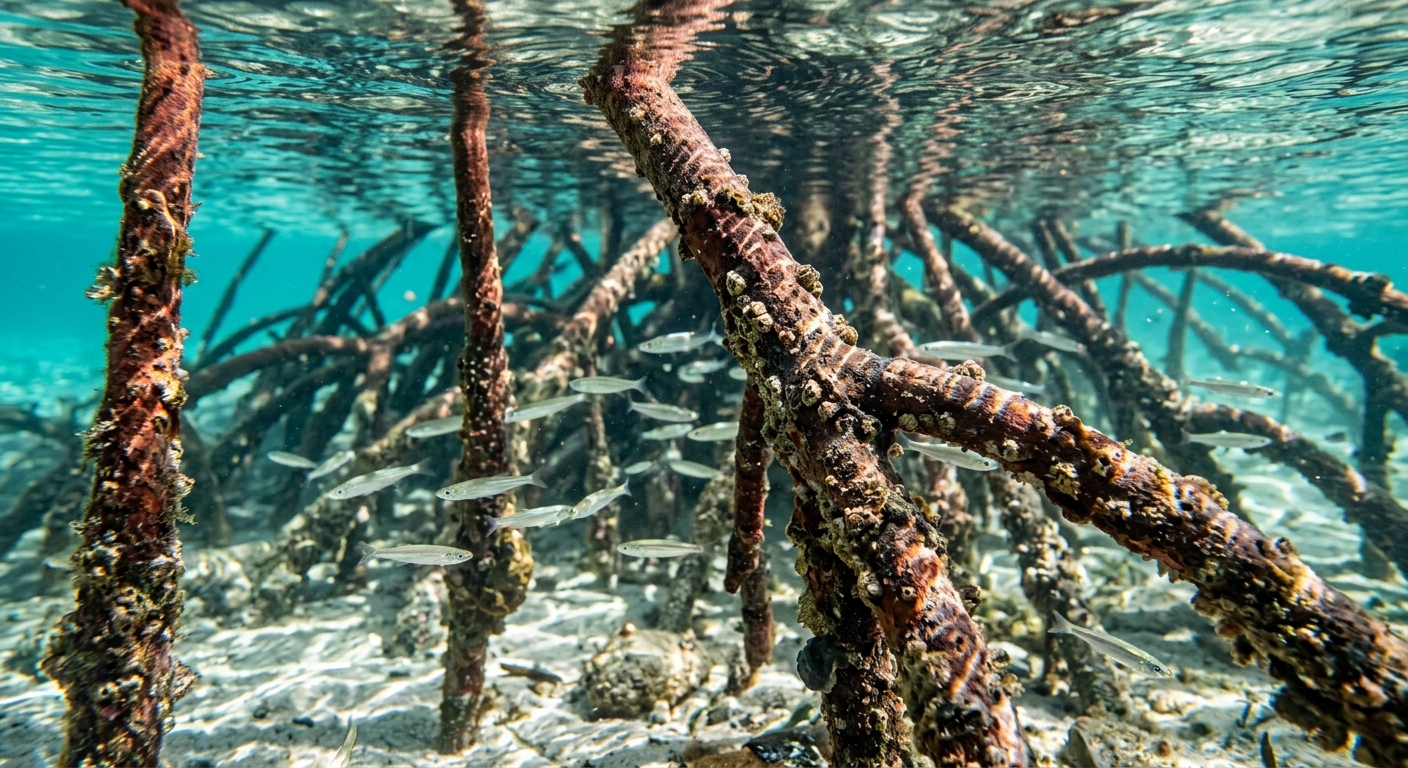
The Generation Restoration citation specifically acknowledged Iloilo City's community‑driven mangrove restoration, which has transformed sections of the Iloilo River into a thriving biodiversity corridor. The initiative, led by the city government in partnership with the DENR and community volunteers, has been recognized as a model of urban ecological recovery. The mangroves now serve as a natural flood defense, a carbon sink, and a habitat for returning wildlife. The UNEP designation places Iloilo among a small group of global cities that have demonstrated measurable, replicable success in reversing ecosystem degradation.
A Clean Tourism Award That Measures What Matters
The ASEAN Clean Tourist City Award, presented at the ASEAN Tourism Forum in Cebu City on January 30, 2026, evaluates destinations across stringent criteria. Judges examined solid waste management, the condition of public spaces, green areas, public toilets, transport terminals, and tourism centers. GSO head Neil Ravena later noted that cleanliness and urban upkeep accounted for up to 70 percent of the score. "Our international partners would like to see that the development of a highly urbanized city should not only be gray or infrastructure. They should also consider the adoption of open spaces," he said.
Mayor Raisa Treñas‑Chu, who received both awards with Ravena, described the recognition as validation of the city's long‑term strategy. "Cleanliness is our shared responsibility, and together, we will keep Iloilo City worthy of the world's recognition," she said. Her framing positioned both awards not as trophies for the city hall but as collective civic achievements—the result of street sweepers, barangay officials, and residents who have internalized cleanliness as a daily discipline. The award specifically referenced the Iloilo River Esplanade, the city's 10‑kilometer green corridor that has become both a tourist attraction and a biodiversity showcase.
A Portfolio of Recognition That Strengthens the Brand
These two awards do not stand alone. Iloilo City already holds the UNESCO Creative City of Gastronomy designation, an ASEAN Environmentally Sustainable City Award, and is the only Philippine city recognized by the UNEP for its Generation Restoration work. Together, they form a multi‑layered portfolio that distinguishes Iloilo from other Philippine destinations. For the MICE sector—where Iloilo recently outpaced Metro Cebu in Q1 2026 office transactions—these credentials reduce perceived risk and accelerate booking decisions among international event organizers.
The DENR and DOT recognitions also reinforce Iloilo's appeal to the growing segment of eco‑conscious travelers. A destination that can demonstrate verified biodiversity restoration alongside verified tourism cleanliness is a destination that can command a premium in an increasingly values‑driven travel market. For Iloilo, the awards are not an endpoint but a platform. The city's continued investment in the Esplanade, its push for a coastal greenbelt ordinance, and its commitment to maintaining the ASEAN standard position it for future recognition. In a region where many cities compete for the same visitor peso, Iloilo has chosen to distinguish itself through sustainability rather than scale.